When golfers begin learning the rotary swing, the most common miss is one that starts left and tends to go further left — a pattern that can quickly become a stubborn habit if the root cause is not addressed.
If you have performed all the other fundamentals correctly, then this is almost always caused by the arms releasing too early in the downswing. There are two causes of this: either the body has stopped rotating, or the arms were overly active. Let's talk about what happens when the body stops rotating first.
Want to feel this in YOUR swing? Try a free AI-powered golf lesson → — GOATY gives you real-time voice coaching, pose tracking, and instant feedback on every rep.
Related: Fix coming over the top with live AI coaching →
Android users: Download GOATY on Google Play — free AI golf coaching on your Android phone. →
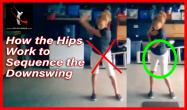
In the Rotary Golf Swing, the spine is acting like an axis for the body and arms to rotate around. Because the arms and club are furthest away from the axis, they, of course, move the fastest.
Stop reading about it — feel it in your swing today
GOATY watches your swing live and coaches you between every rep. Free. No signup.
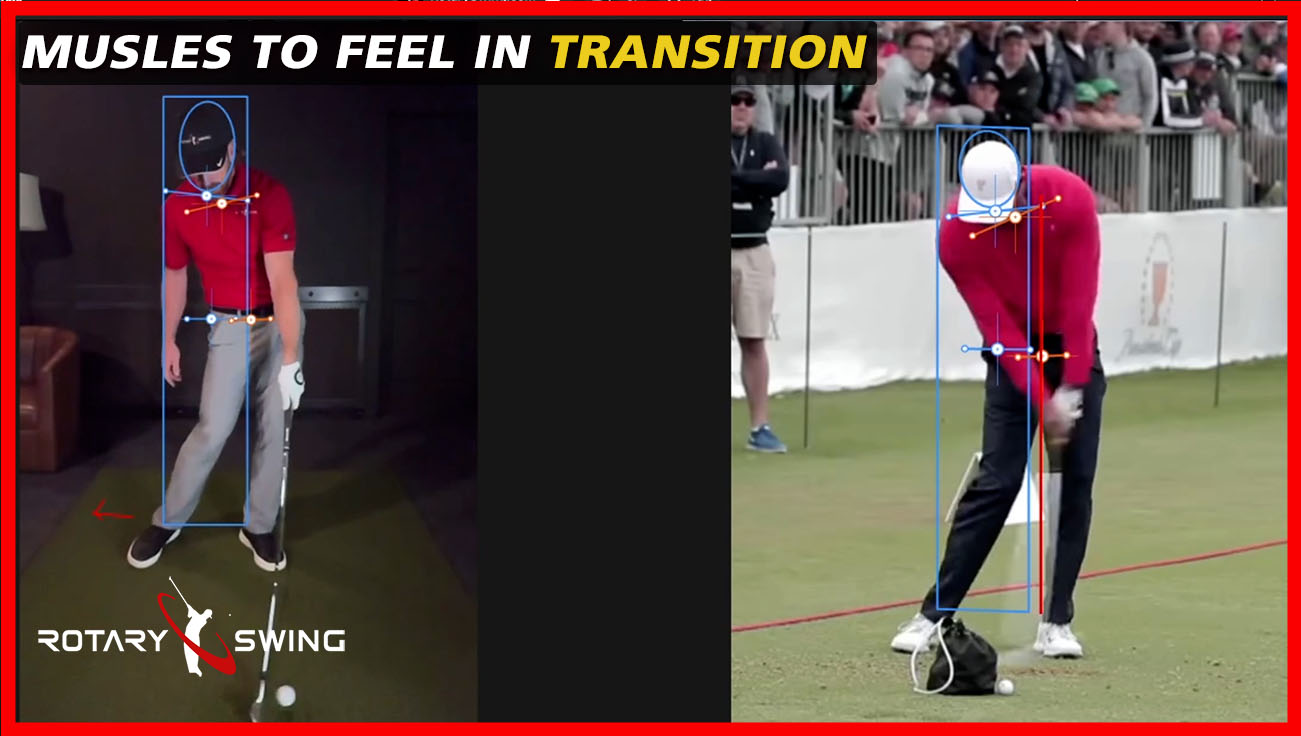
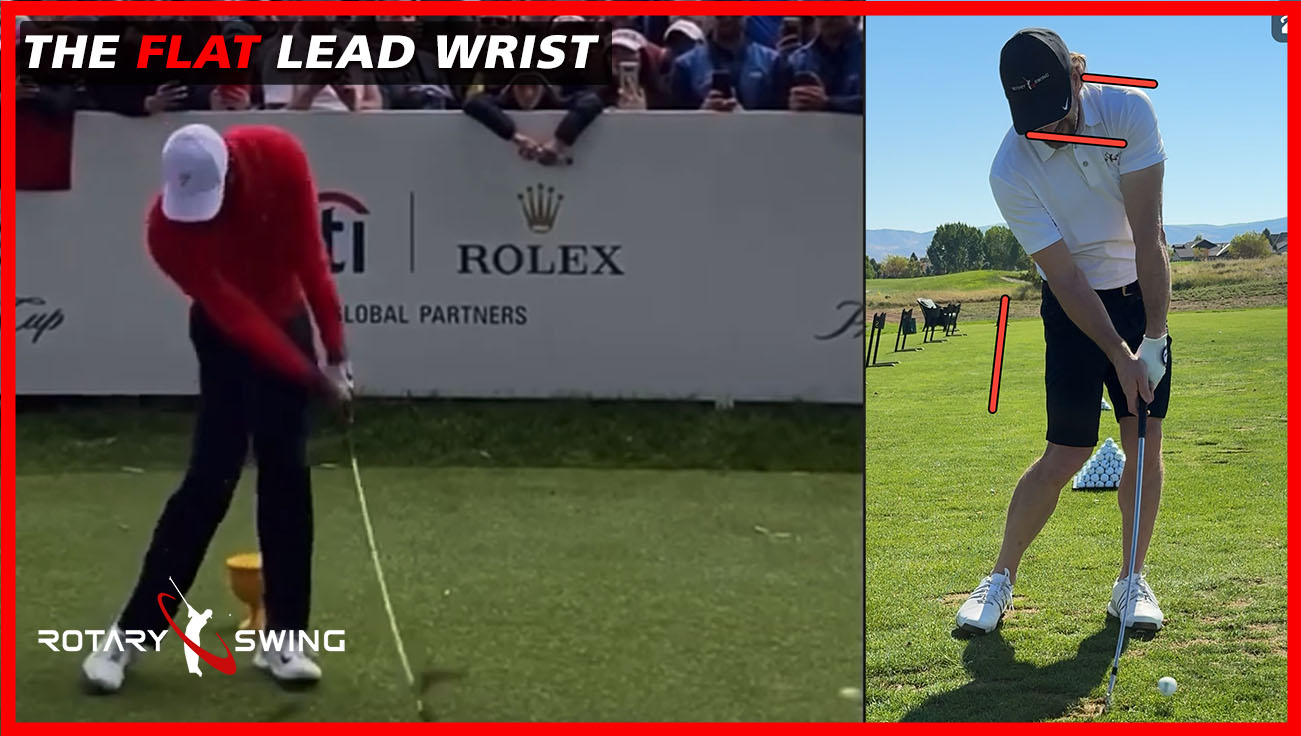
Start Your FREE Live Lesson →This, in turn, makes them more difficult to control through impact. In order for the body to maintain control of the club, the lead arm must remain connected to the chest through impact. But when the body stops its rotation, the arms will be flung past due to centrifugal force.
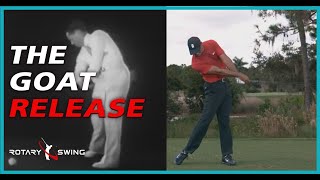
This causes the arms to outrace the body and the club face to close prematurely. It is critical for the body in the one plane swing to always be rotating and it should never stop until the ball is long gone. This allows the body to remain in control of the club longer and avoid the arms whipping out too early — a key principle reinforced by the AI swing analyzer when diagnosing early release patterns.
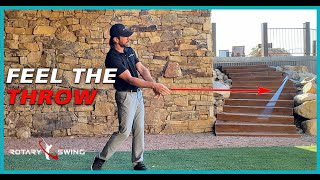
However, it is important to note that the arms WILL release away from the body shortly after impact. It is critical to ALLOW the arms to release for maximum speed and power. This will happen in perfect time naturally if the arms remain passive.
The other common cause for misses to the left is when the arms try and dominate the swing. This fault often goes hand in hand with the first one, but not always.
If a golfer has good rotation to the lead side, but then activates the arms too early by trying to apply clubhead speed with the arms, the arms will often be thrown of the causing the ball to be pulled to the left.
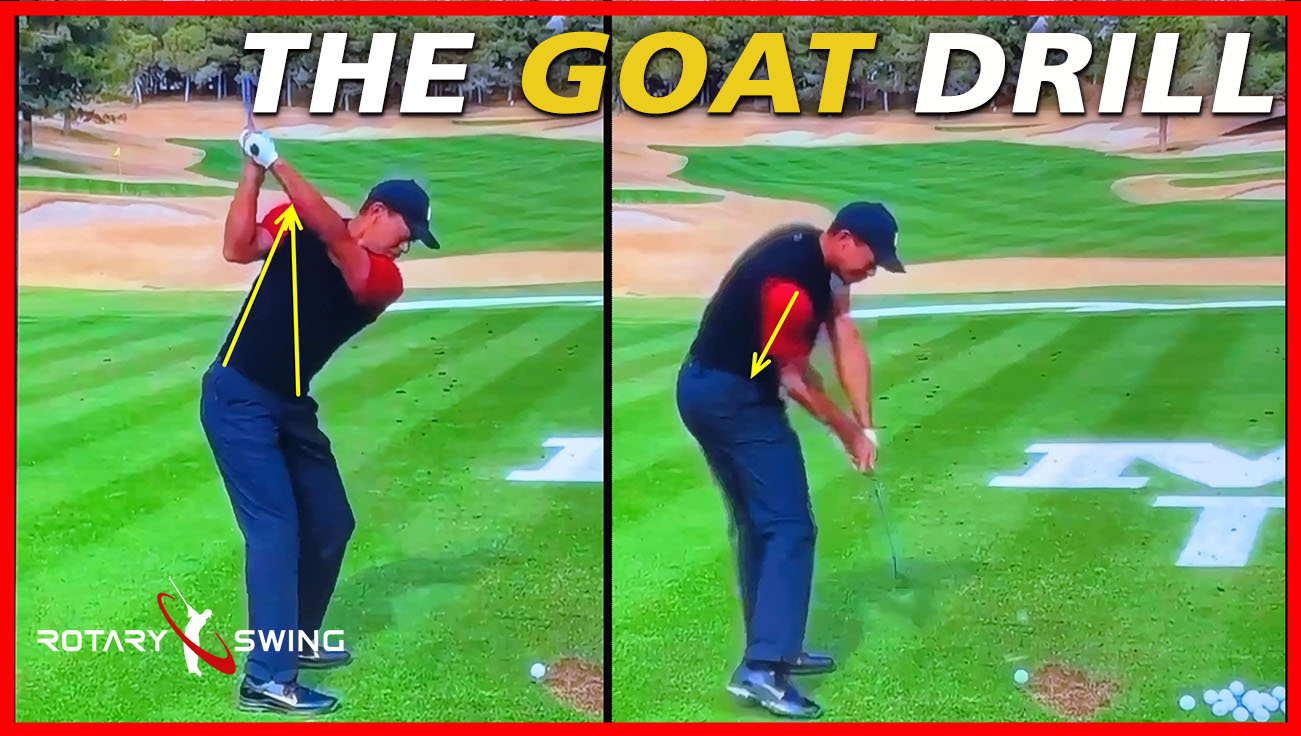
It is critical for the arms to stay more passive in the early stages of the downswing so that the slower moving body can be in control of the golf club. The arms will release naturally at the right time in the swing with no conscious effort on the golfer's part if they stay more passive. Developing this feel consistently is exactly what the GOAT Drill system is designed to train.
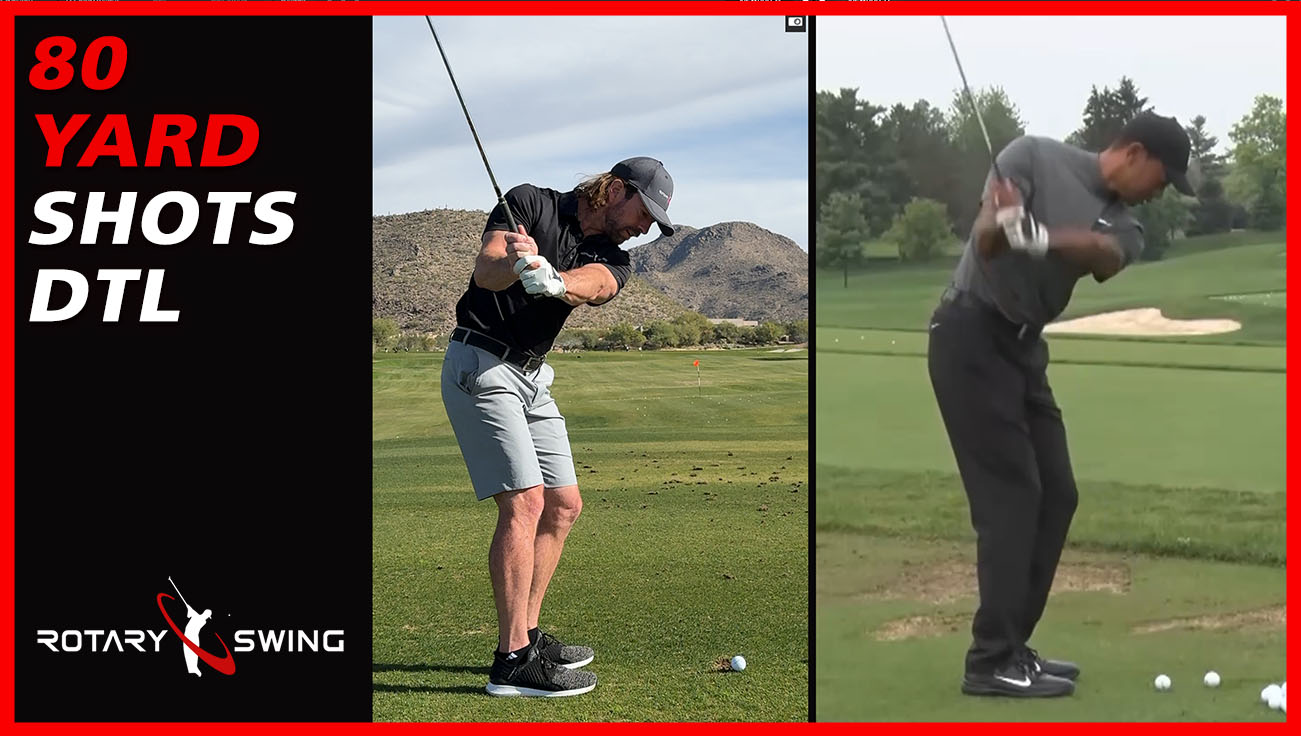
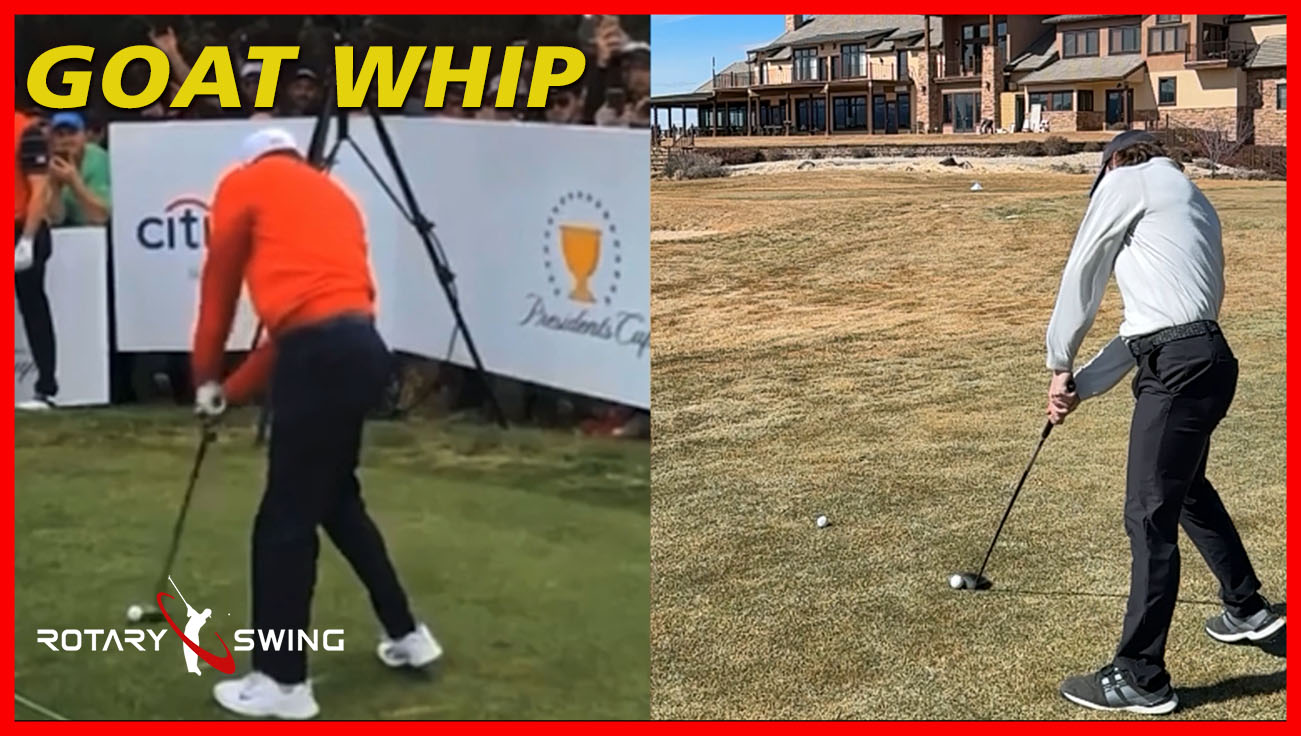
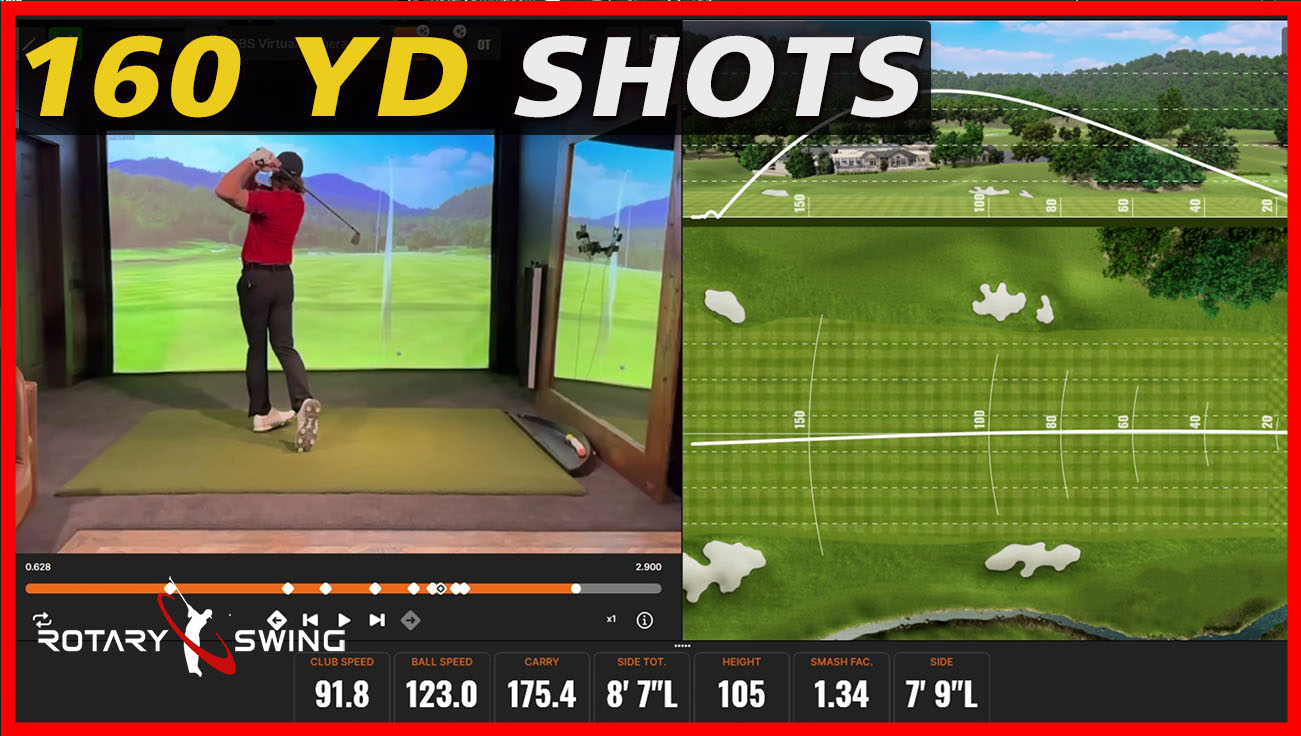
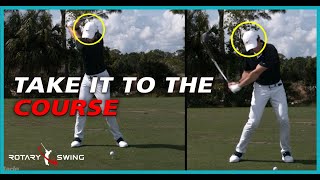
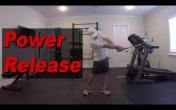
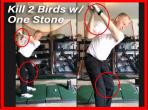
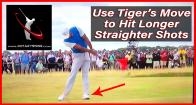
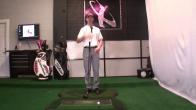
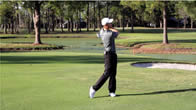
Notice in the photo above that Chuck Quinton has rotated his body aggressively through the shot and is "swinging left" but the ball has come out perfectly straight and on line with the target. This is the ideal feeling of the Rotary Swing.
Video Transcription: Missing Shots Left
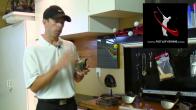
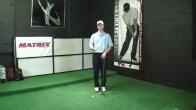
One of the most common misses in golfers learning the one plane swing is pulls or misses to the left. This is a very, very common cause. I see it all the time, every day that I teach. It's a very, very simple thing to fix, but you just have to understand what's causing this.
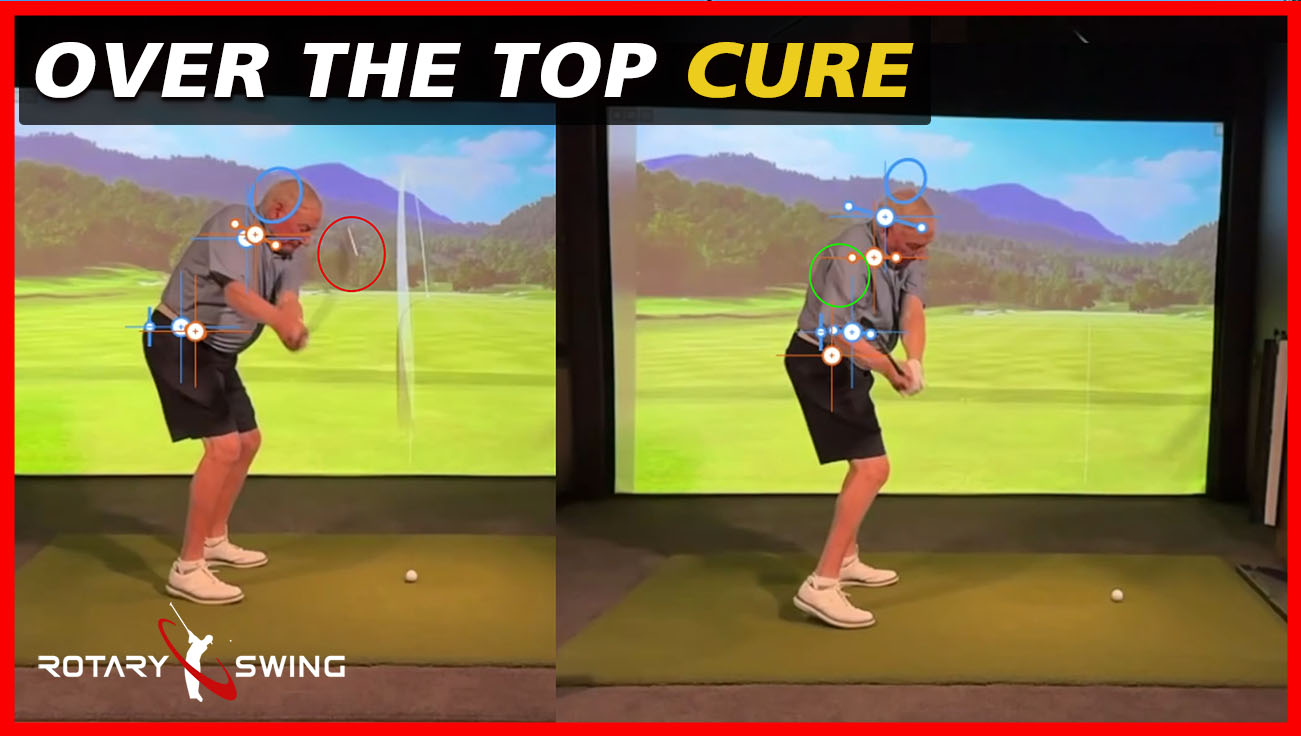
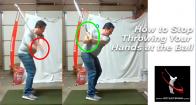
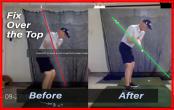
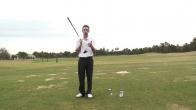
When you swing to the top of the one plane swing, when everything's on plane as you look down the line here, if you start to go hard with the arms — if you start to swing down with the arms rather than letting the arms stay passive and letting the body drive the arms through the shot — your arms will start to release out over the plane and the club head will get thrown too far outside.

Swinging down hard with the arms causes a miss to the left
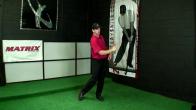
The arms will start to release, the club head will rotate shut, and you'll miss and pull everything to the left.
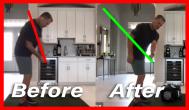
The trick of this is, all you need to do is when you get to the top of the swing, is keep these arms passive through impact and get these shoulders rotating through, but let the arms lag behind the body rather than releasing hard with the arms.
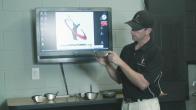
If I show you what the release looks like with the bad shot, you'll see from the top of the swing that I'll go very hard with my arms. I'll demonstrate that, and I'll miss the shot to the left.
That shot, I missed about 20 yards left. All I did there from the top was I swung very hard with my arms, and tried to generate power with my arms.

The arms stay passive in a proper Rotary Swing
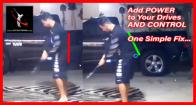
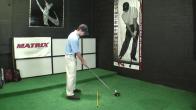
The proper golf swing, in a one plane swing, the proper motion of the arms is simply for them to stay passive and relaxed. They don't require any effort. This golf swing should feel very, very effortless when you use your body correctly.
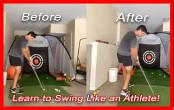
All I want to do, to do this properly, is simply let my arms stay a little bit more passive through impact — or throughout the swing — and let the body release through impact. That should look like this.
How to Fix Pulled Golf Shots
Learn how to correct pulled golf shots caused by early arm release during your swing.
-
1
Understand the Cause
Recognize that pulled shots often result from the arms releasing too early in the downswing. This can happen if your body stops rotating or if your arms become overly active.
-
2
Maintain Body Rotation
Ensure that your body continues to rotate through the swing. Stopping rotation can cause your arms to outpace your body, leading to a closed club face and pulled shots.
-
3
Keep Arms Passive
Focus on keeping your arms passive during the downswing. Allow your body to control the swing, which helps prevent the arms from dominating and releasing too early.
-
4
Practice the GOAT Drill
Utilize the GOAT Drill system to develop the feel of a passive arm release. This drill helps train your body to maintain control and timing in your swing.
-
5
Check Your Impact Position
During practice, check your impact position to ensure your arms are lagging behind your body. This should feel effortless and help you achieve a straighter shot.
-
6
Rotate Shoulders Through Impact
Concentrate on rotating your shoulders through the shot while allowing your arms to follow naturally. This coordination will help you avoid pulling the ball to the left.
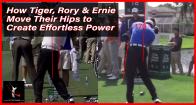
Watch part 2 now to see how you're moving your body in the opposite direction of the pros!