Golfers learning the one plane swing who miss shots to the right are often more experienced, lower handicap golfers who have been taught to swing more from the inside.
Most of these golfers come from a two plane swing background that teaches the golfer to drop the arms back down from their "high above the head" position at the top of the swing.
Want to feel this in YOUR swing? Try a free AI-powered golf lesson → — GOATY gives you real-time voice coaching, pose tracking, and instant feedback on every rep.
Related: Fix coming over the top with live AI coaching →
Android users: Download GOATY on Google Play — free AI golf coaching on your Android phone. →
In order to give the hands time to get back down on plane, their hips will slide laterally toward the target while delaying the rotation of the upper body back to the target. This move drops the club back to the inside and is unnecessary in a more rounded type golf swing.
Stop reading about it — feel it in your swing today
GOATY watches your swing live and coaches you between every rep. Free. No signup.
Start Your FREE Live Lesson →Because the one plane swing is built around a rotational action of the body, sliding the hips toward the target causes the club to be delivered too much from the inside causing blocks or snap hooks. When the hips slide toward the target, the position and angle of the spine is changed.
First, the upper spine tilts away from the target, which in turn, changes the plane angle of the shoulders. This change in the shoulder plane drops the trail shoulder beneath the desired plane which, in turn, drops the club beneath the plane. From this position the golfer must rely on the hands to square the club and control the ball flight.
If the golfer does not have an overly strong grip and does not try and rotate the club face back to square with the hands, the ball will be blocked to the right as a push.
If the golfer does try and "save" the shot by squaring the clubface with the hands, this will cause a snap hook. Somewhere in between these two extremes is a ball flight that starts right and draws back toward the center, but the timing required to execute this consistently is not something that can be repeated over the long haul by the average golfer. An AI swing analyzer can help you identify exactly which tendency is causing your misses.
To stop missing shots to the right, maintain your angles throughout the swing. Your hips should rotate, not slide, and your shoulders must rotate on the same plane back and through with no dipping of the trail shoulder.
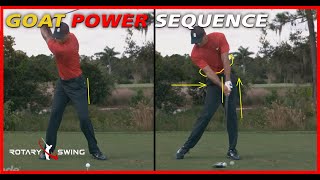
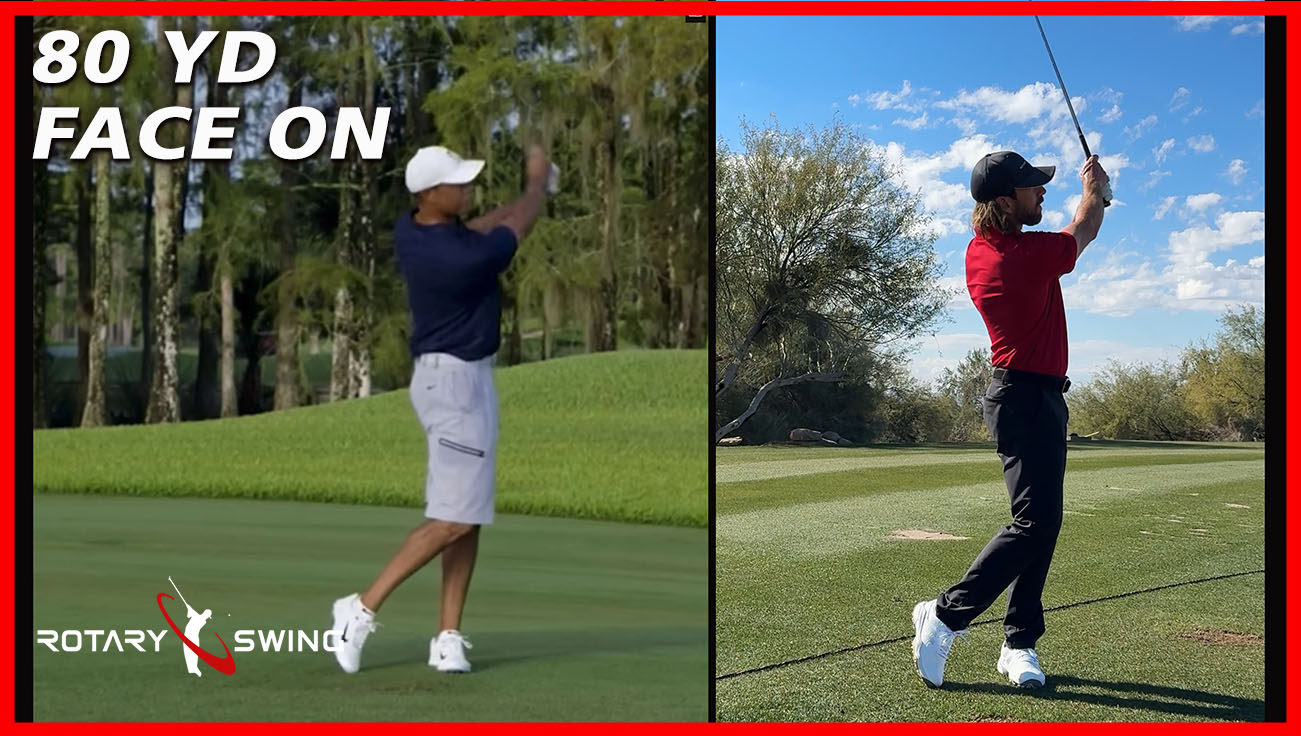
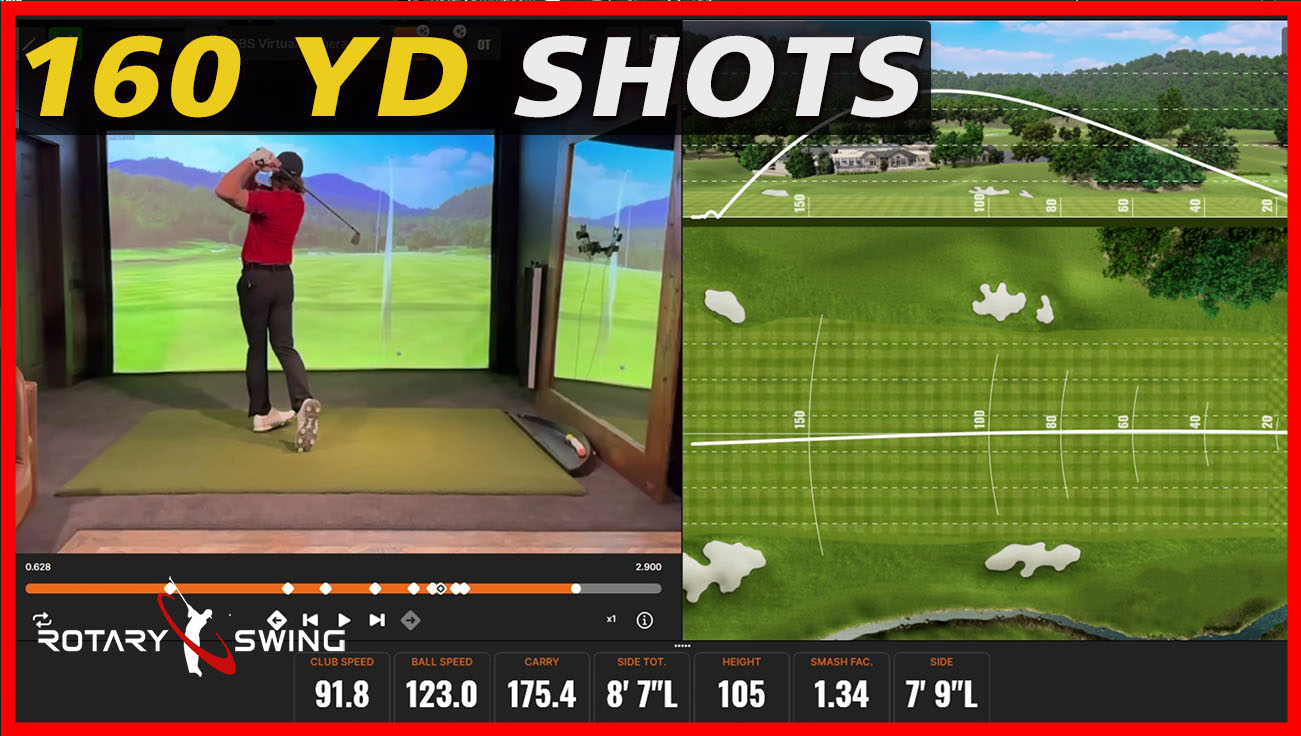
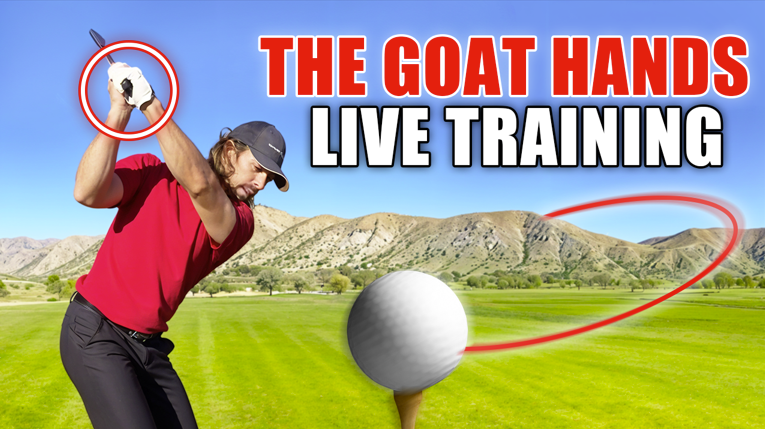
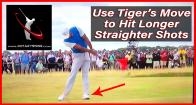
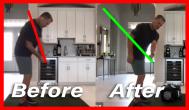
Notice in the photo above that aggressive body rotation through the shot while "swinging left" produces a ball flight that comes out perfectly straight and on line with the target. This is the ideal feeling of the Rotary Swing and what elite players demonstrate through every impact position.
Video Transcription: Missing Shots Right
Golfers who struggle missing shots to the right in the one plane swing, or blocking shots or blocking cutting shots, typically have one main culprit in their golf swing, and that is for their hips to move towards the target during the downswing.
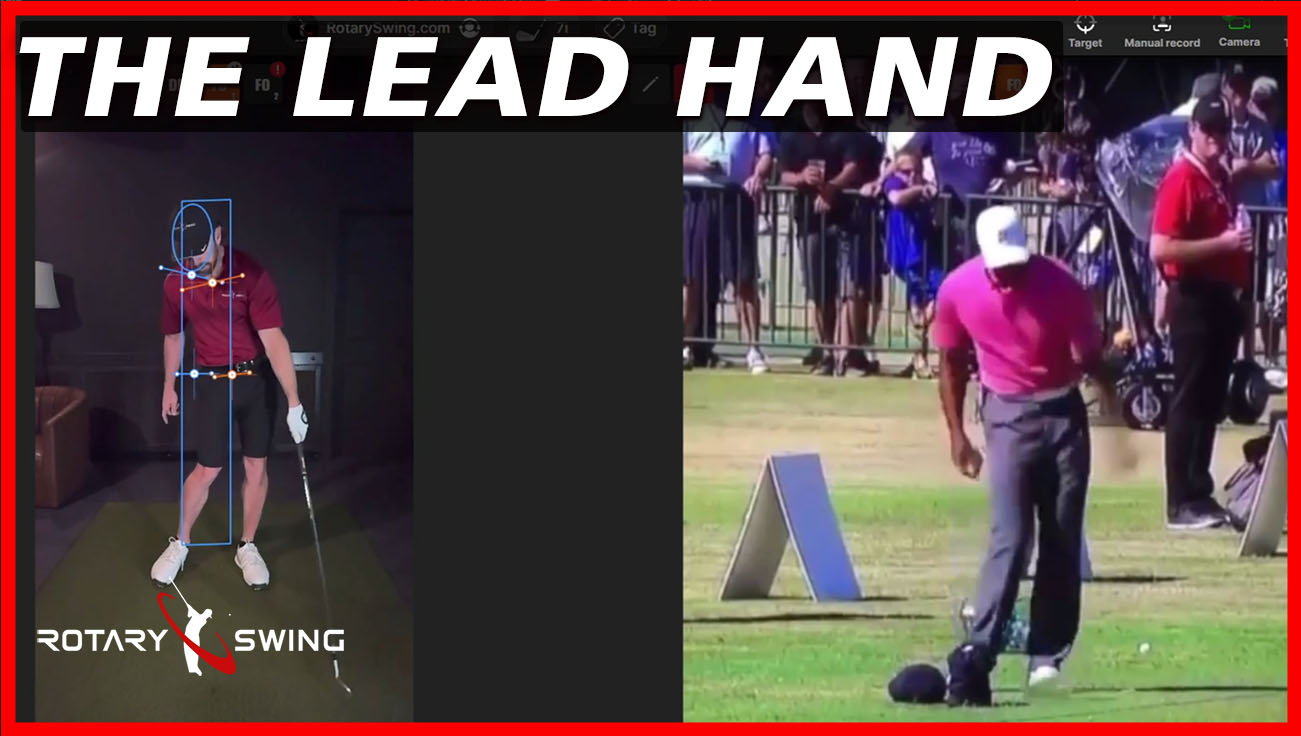
When that happens, the base of the spine is moved. The base of the spine in the one plane swing is very critical because that is your central point that allows you to rotate around and keep everything on plane and on axis.
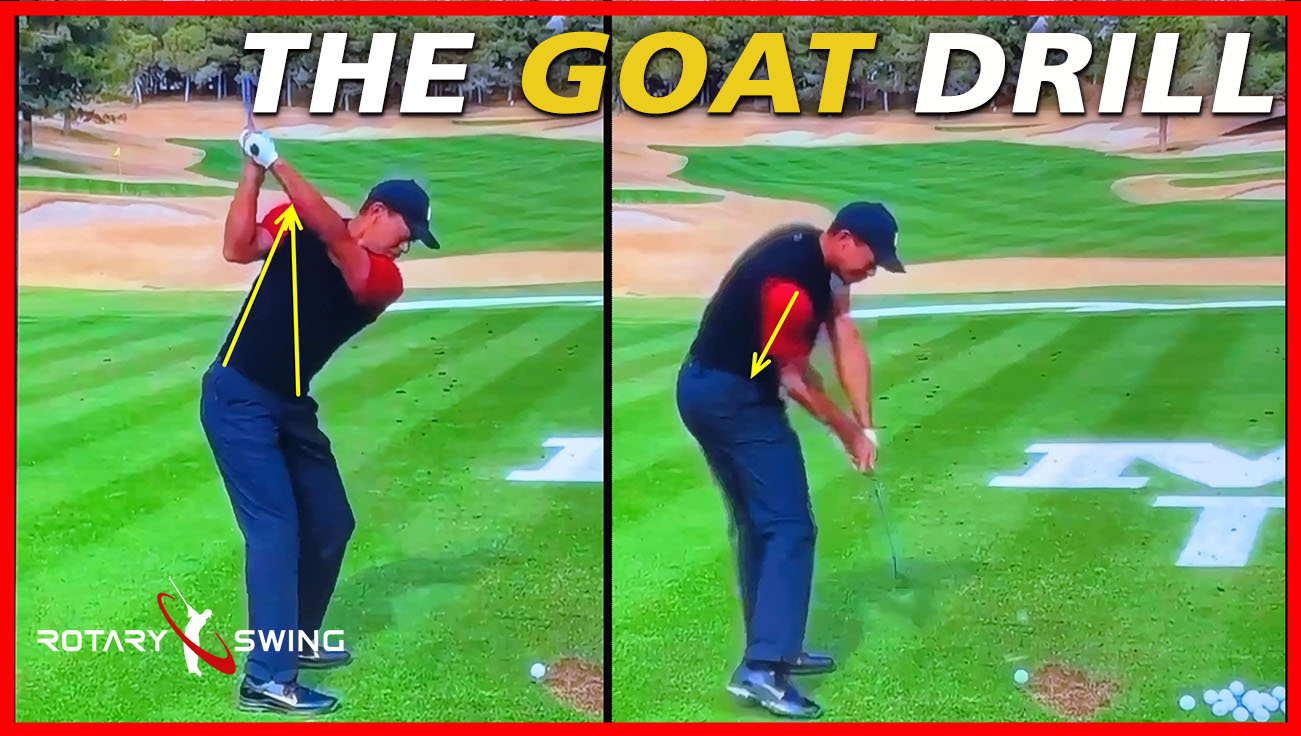
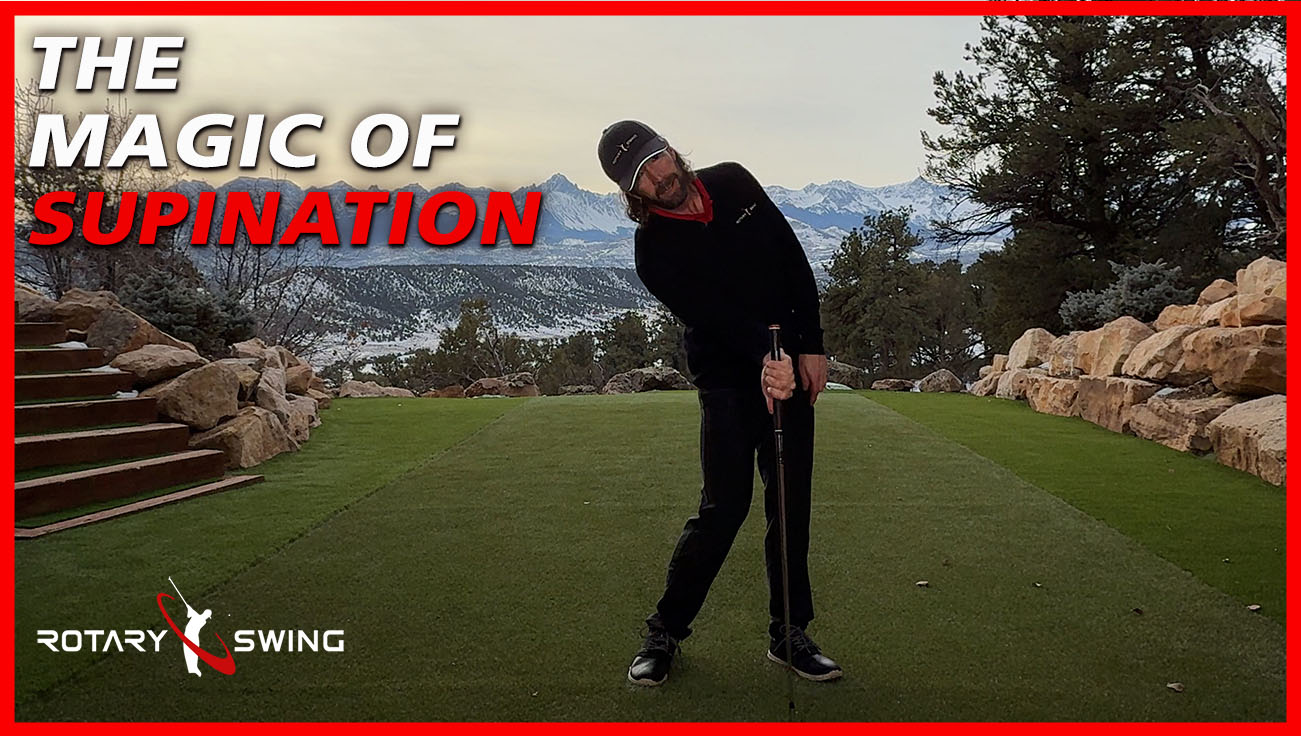
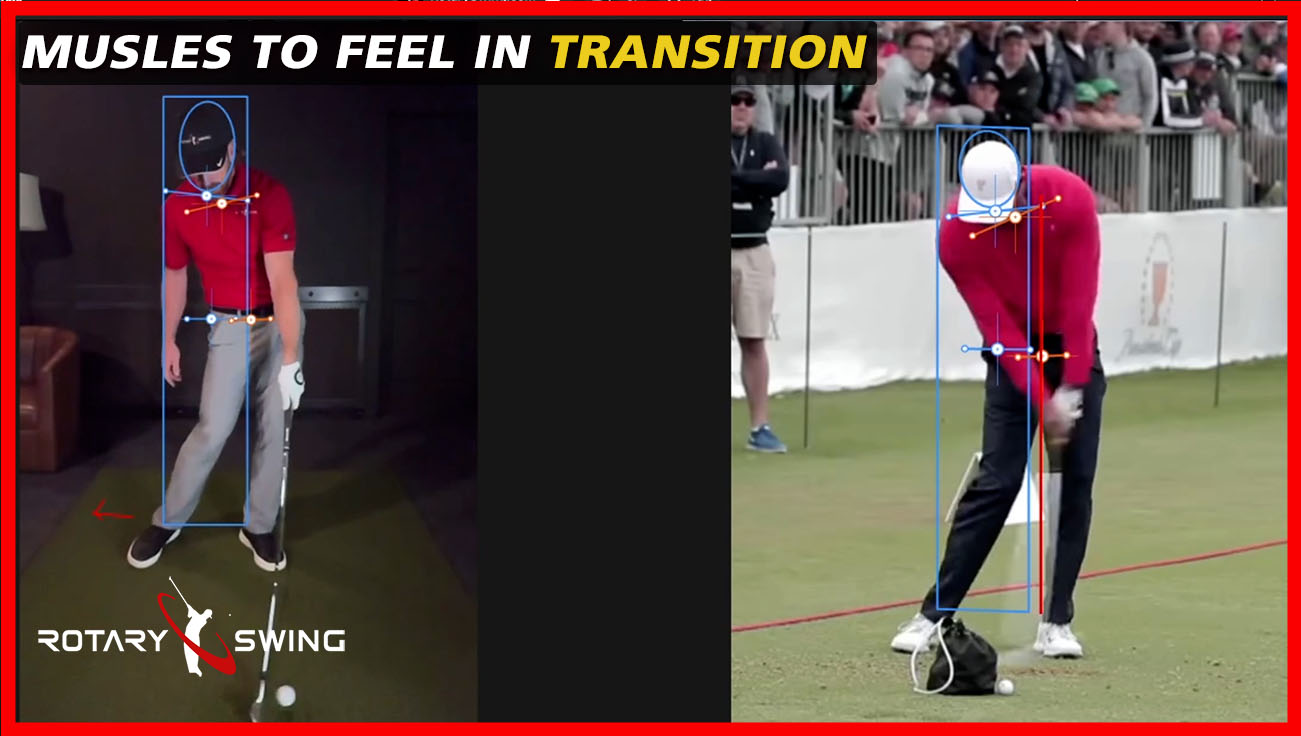
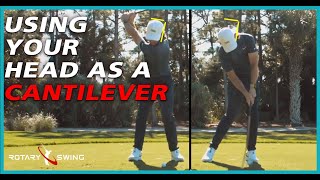
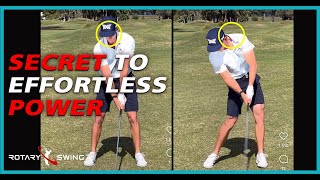
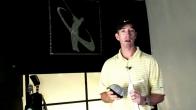
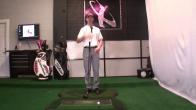
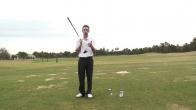
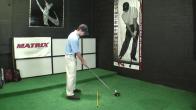
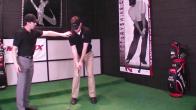
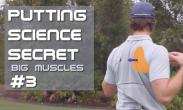
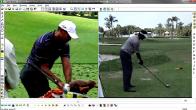
When you move that base of the spine, you not only shift your center of gravity, but if I put a shaft down the center of my spine and I shift just the base of my spine towards the target, my spine shifts away from the target.
When that happens, that tilts my shoulder plane back. When my shoulder plane is off level, the arms drop and the club shaft of course has to drop, and then I come too far from the inside and I block it out to the right.
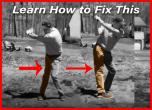
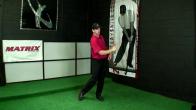
What that looks like is like this.

Arms drop & shot comes from inside
There I slid my body through impact. I blocked it out to the right as a push shot, and the only way I could have saved that shot is to try and rotate my hands aggressively through impact, which of course is difficult if not impossible to time consistently.
In a one plane swing, it's not necessary to slide your body through impact. In fact, just the opposite is true.
You need the base of your spine to stay centered so that you can rotate around it so that your angles stay constant throughout the swing, rather than sliding and trying to save the shot with your arms and hands. Maintaining a stable swing axis is what separates consistent ball strikers from those who frequently miss right.
All we need to do, for golfers who block shots to the right consistently, is to quiet these hips down and learn to rotate around the body, around the spine, rather than shifting and then trying to rotate.
You can't aggressively slide through impact and turn at the same time. You have to be always rotating in this one plane swing, and sliding keeps you from doing that. Elite players maintain their spine angle and rotate through the ball without any lateral hip movement toward the target.

Feels like over the top
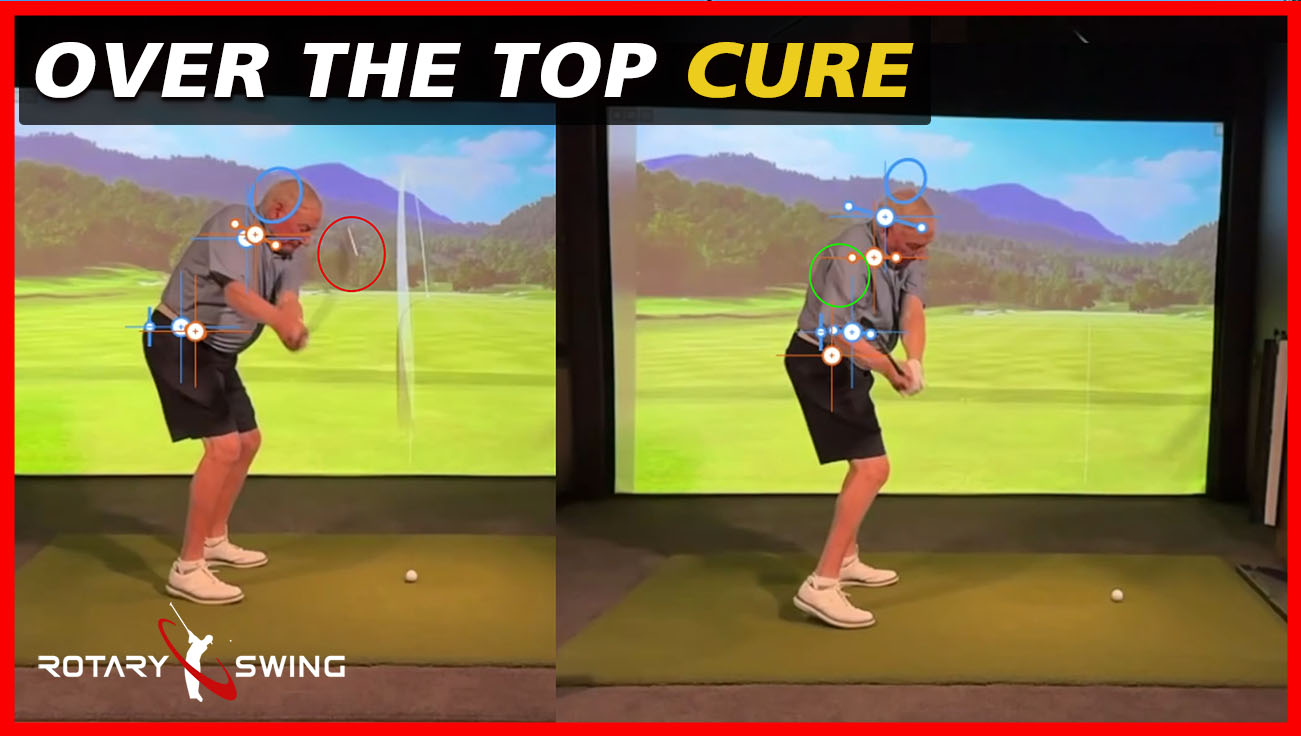
All you need to do, for golfers who consistently miss to the right, is you're actually going to feel like — if you look down the line here — it's going to feel that your shoulders are moving more out over the top of the plane.
You're going to feel like you're actually coming over the shot, rather than inside and dropping this trail shoulder, dipping it down, changing the shoulder plane, changing the swing path of the club and coming too much from the inside.
It's going to feel more like you're coming over the top. That shot looks like this.
How to Stop Missing Golf Shots Right
Learn to correct your swing and hit straighter shots by maintaining proper body rotation.
-
1
Identify Hip Movement
Observe your downswing to see if your hips are sliding toward the target. This movement can lead to misalignment and cause shots to miss right.
-
2
Maintain Spine Angle
Focus on keeping your spine angle steady throughout the swing. Avoid shifting the base of your spine, as this can tilt your shoulders and affect your swing path.
-
3
Rotate Your Hips
Practice rotating your hips instead of sliding them. This will help you maintain your angles and keep the club on the correct plane.
-
4
Check Shoulder Plane
Ensure your shoulders are rotating on the same plane back and through. Avoid dipping your trail shoulder, which can lead to an inside swing path.
-
5
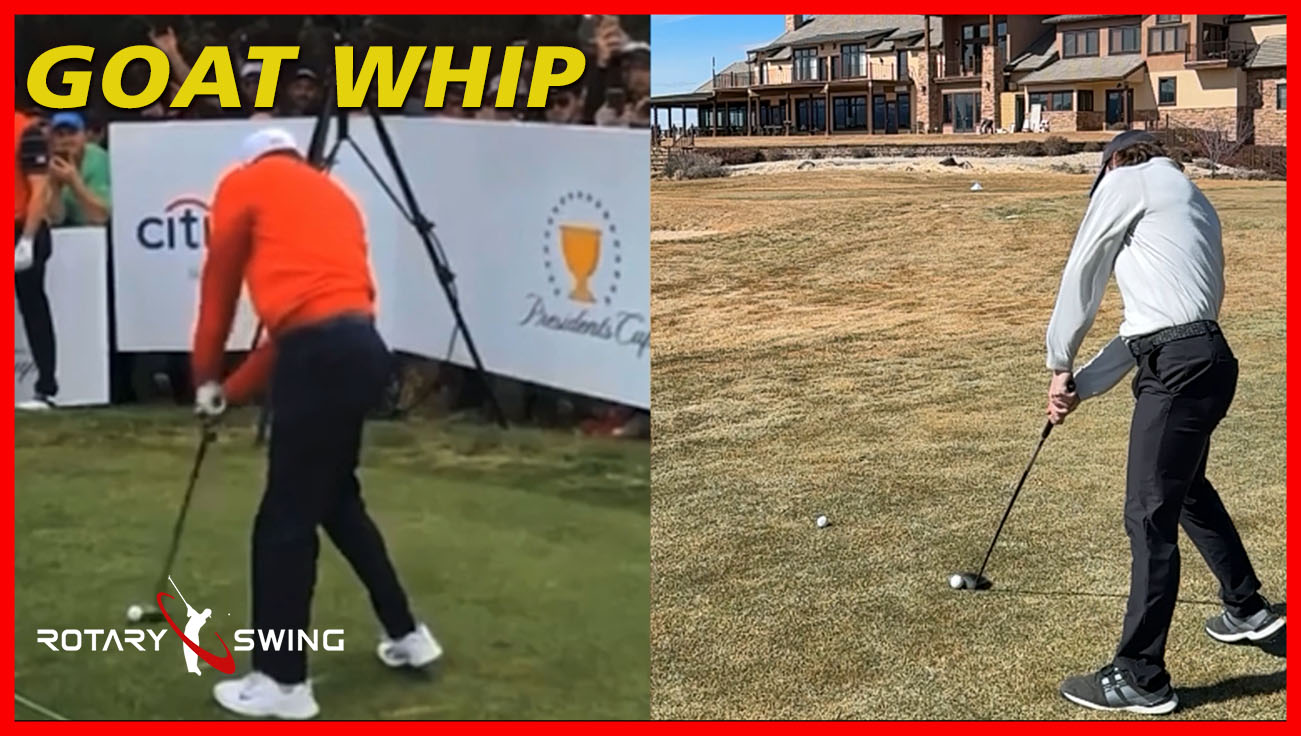
Use the GOAT Drill
Incorporate the GOAT Drill to train your body to rotate properly around your spine. This drill will help you develop the correct movement pattern.
-
6
Practice Aggressive Rotation
Work on aggressive body rotation through impact while aiming to swing left. This will help achieve a straight ball flight aligned with your target.
Watch part 2 now to see how you're moving your body in the opposite direction of the pros!














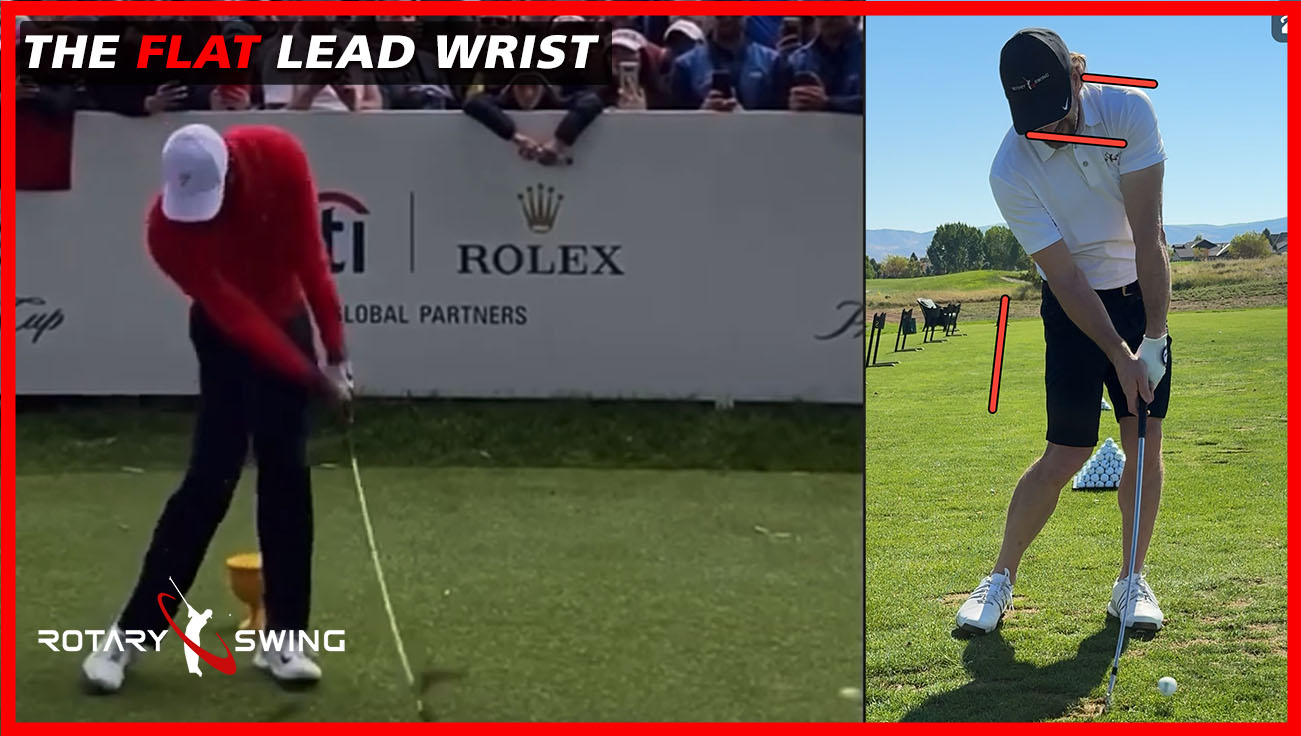
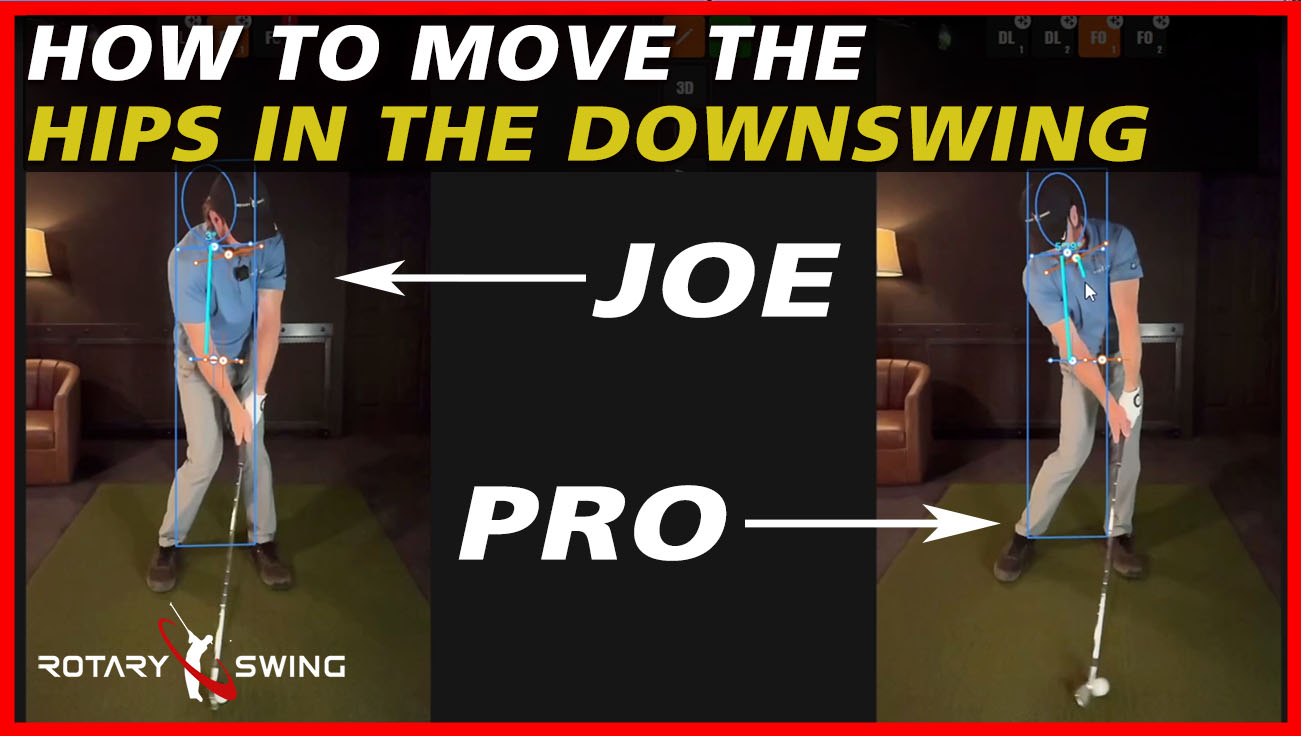
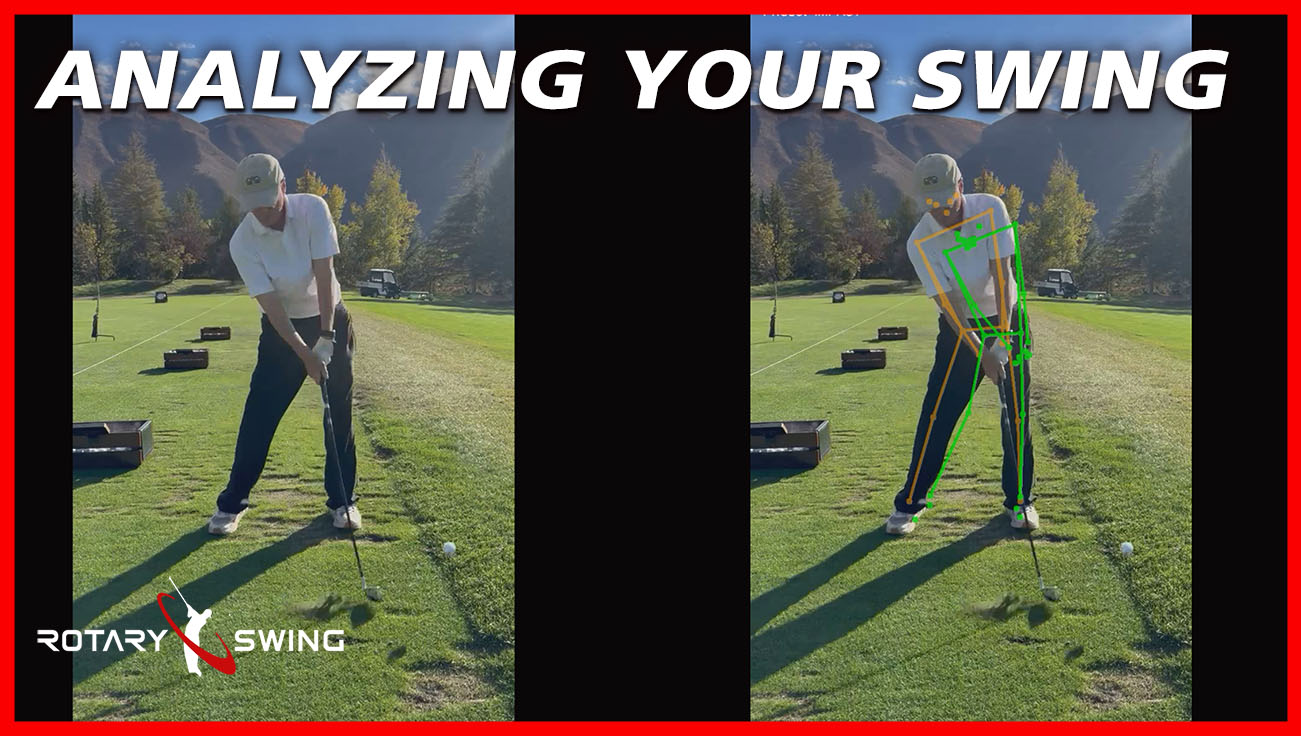

















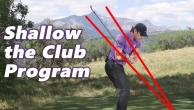


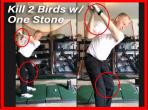
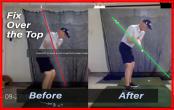
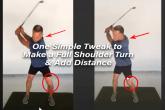



































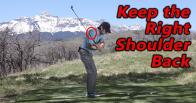



 Moving base of spine toward target tilts spine & shoulder plane