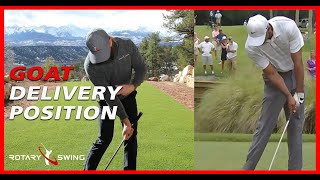
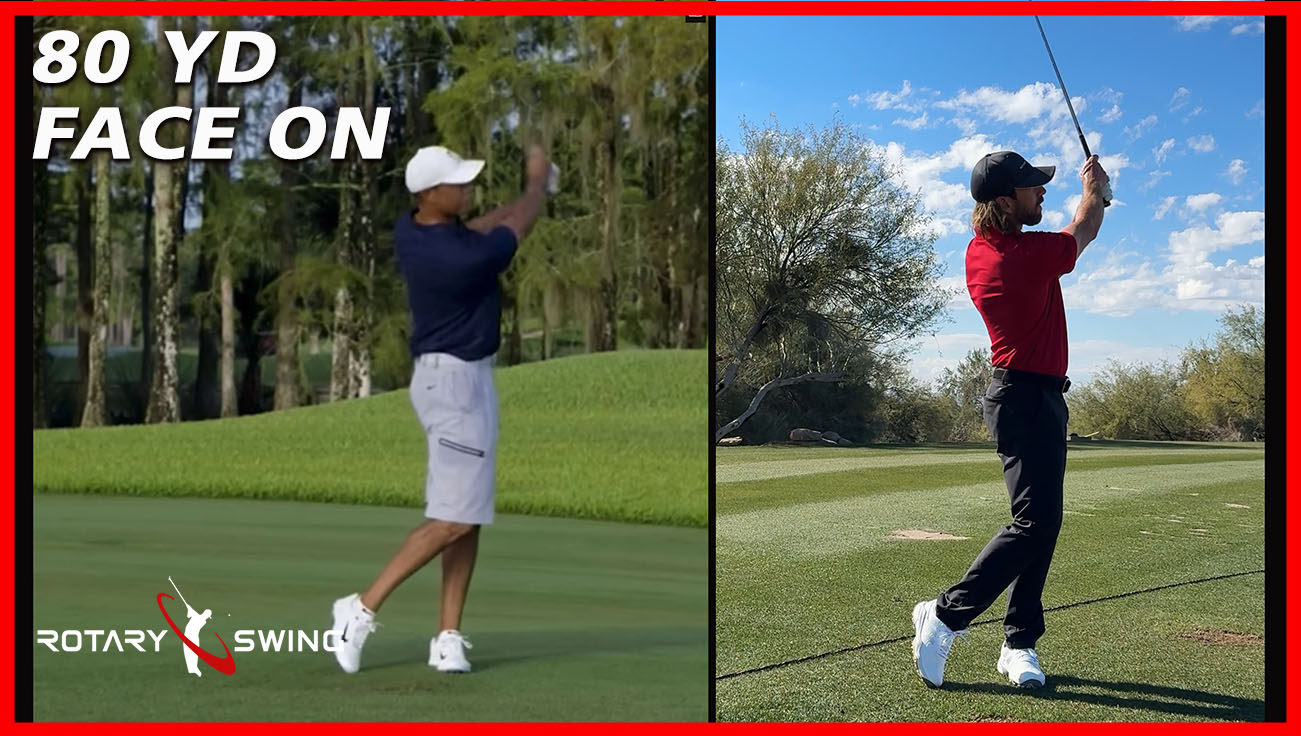
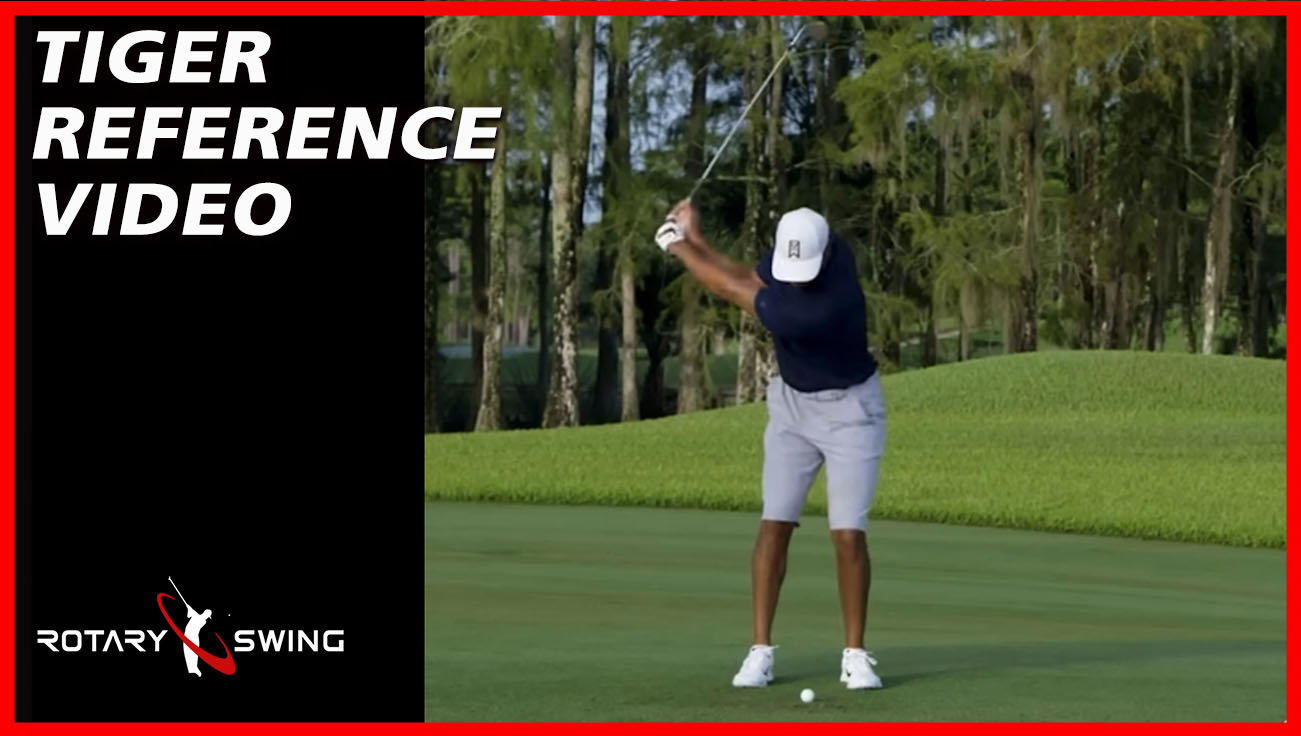
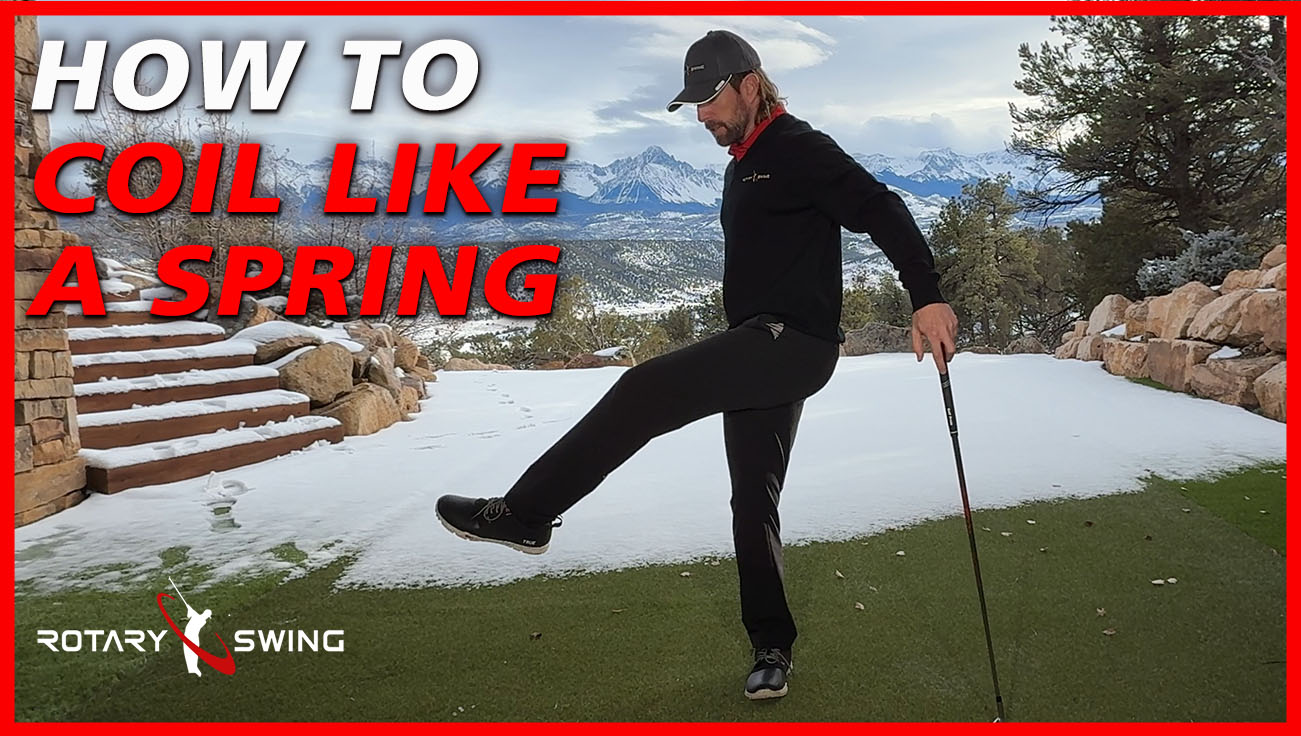
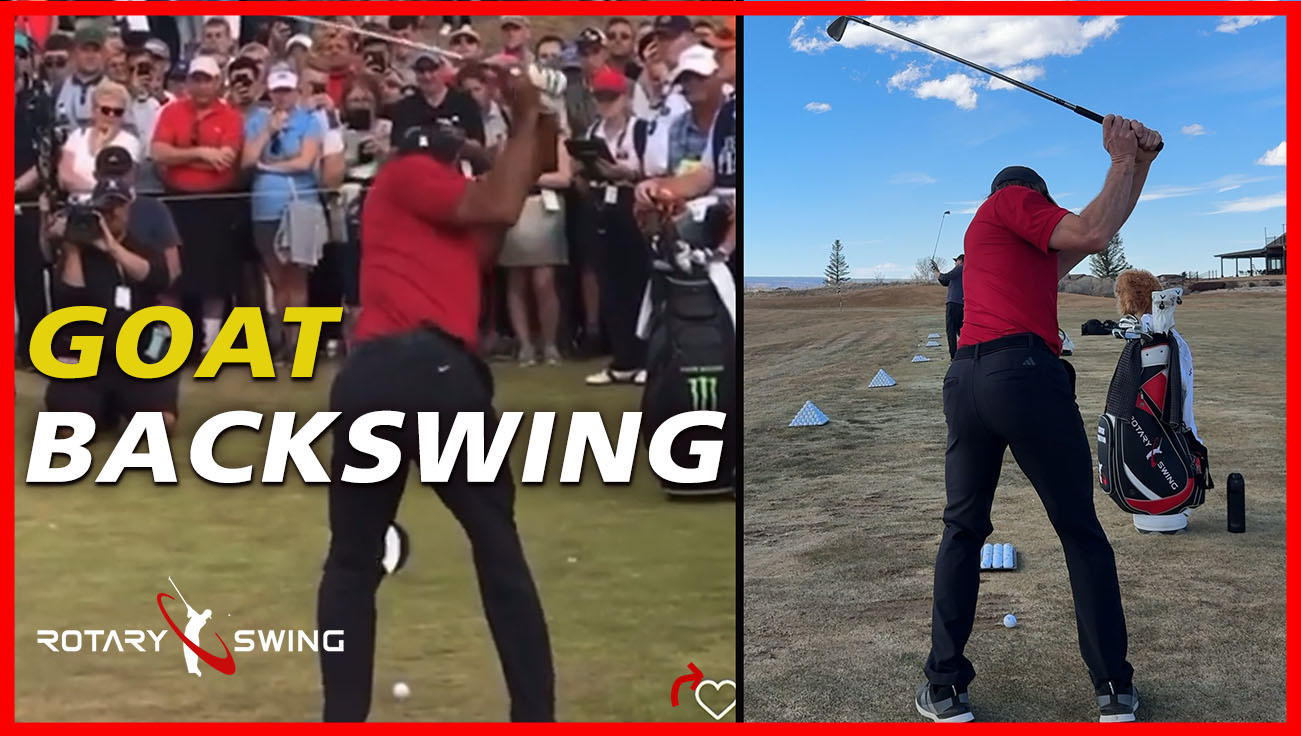
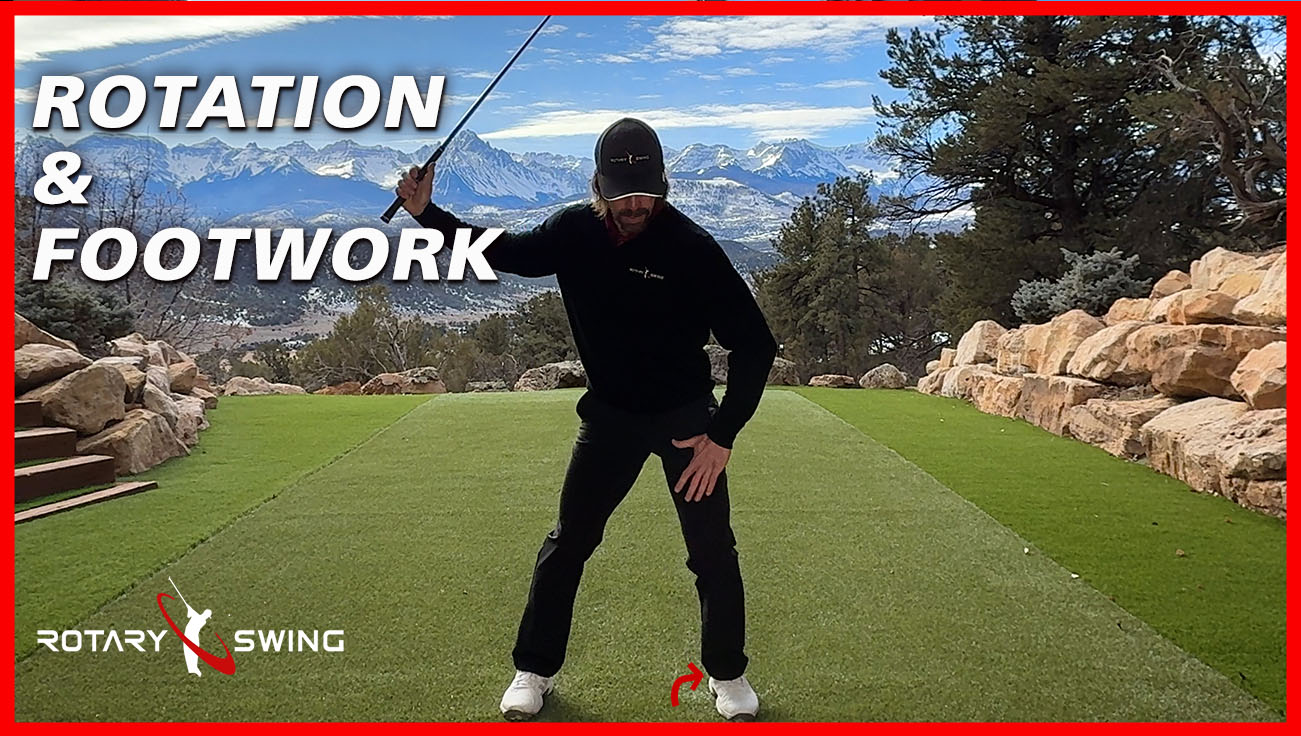
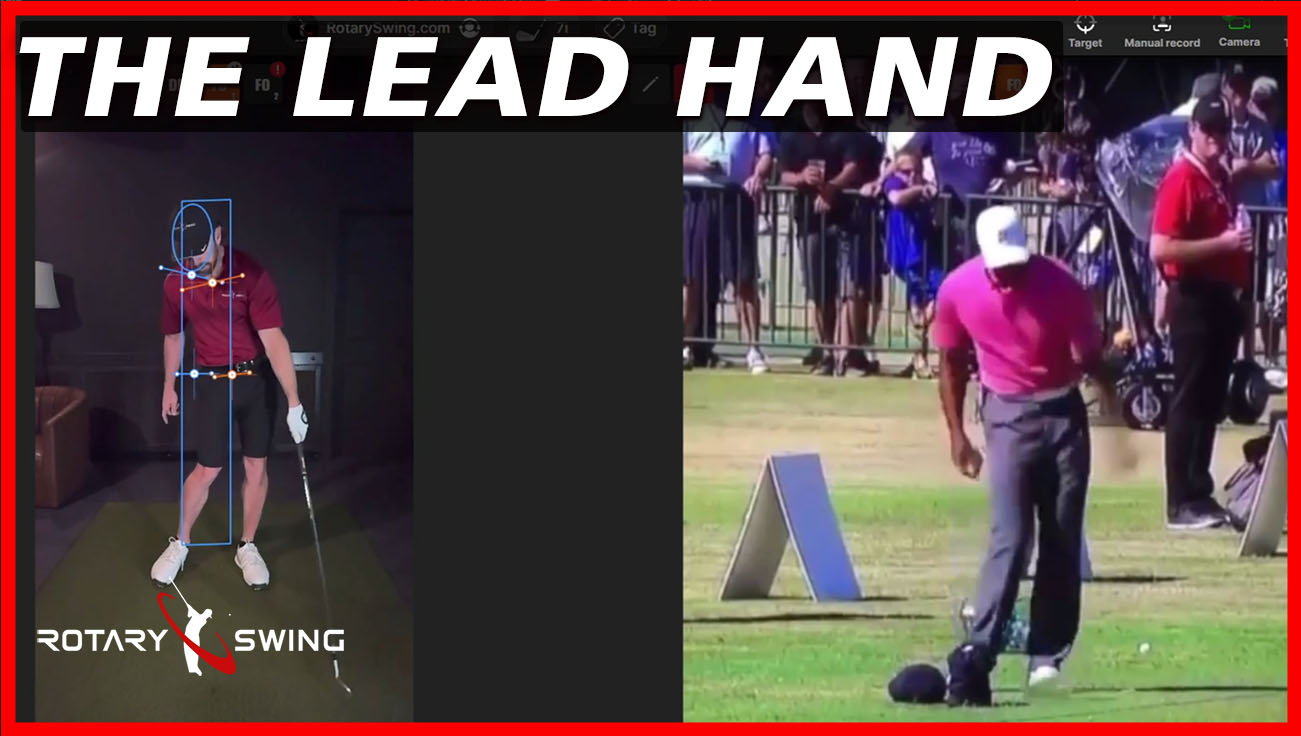
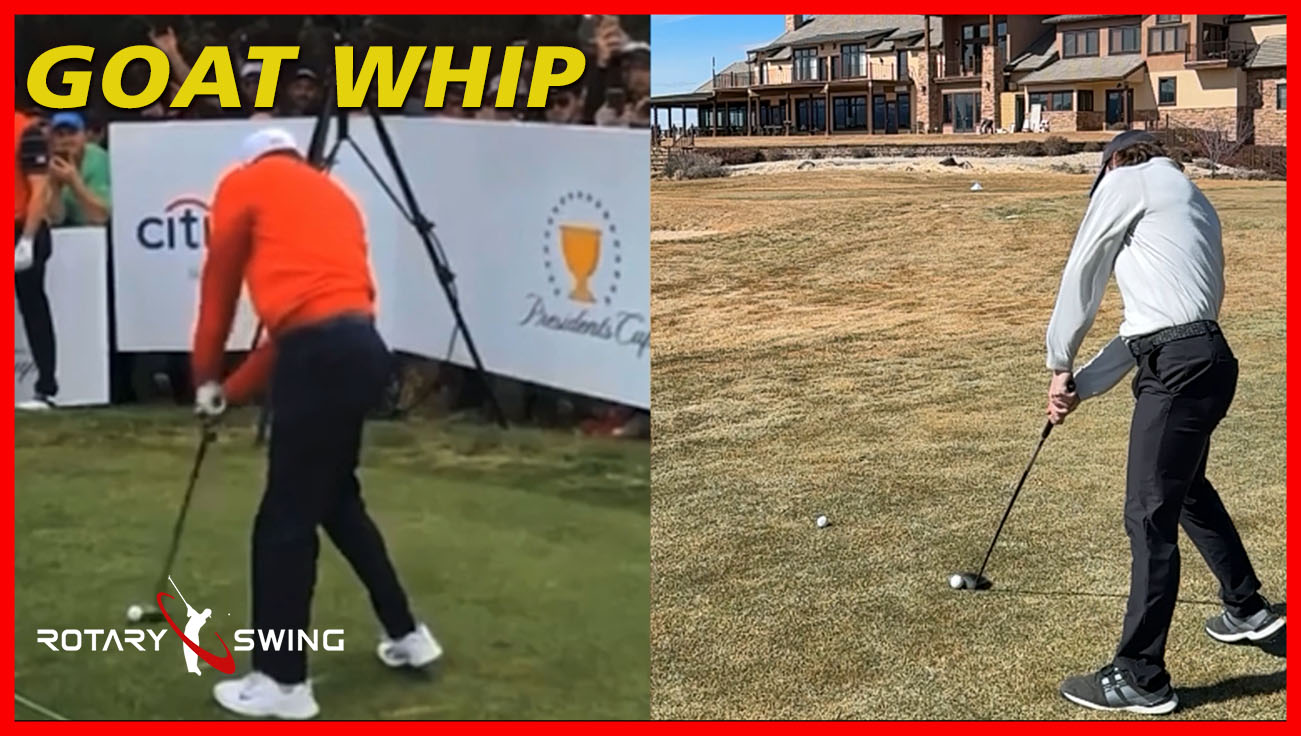
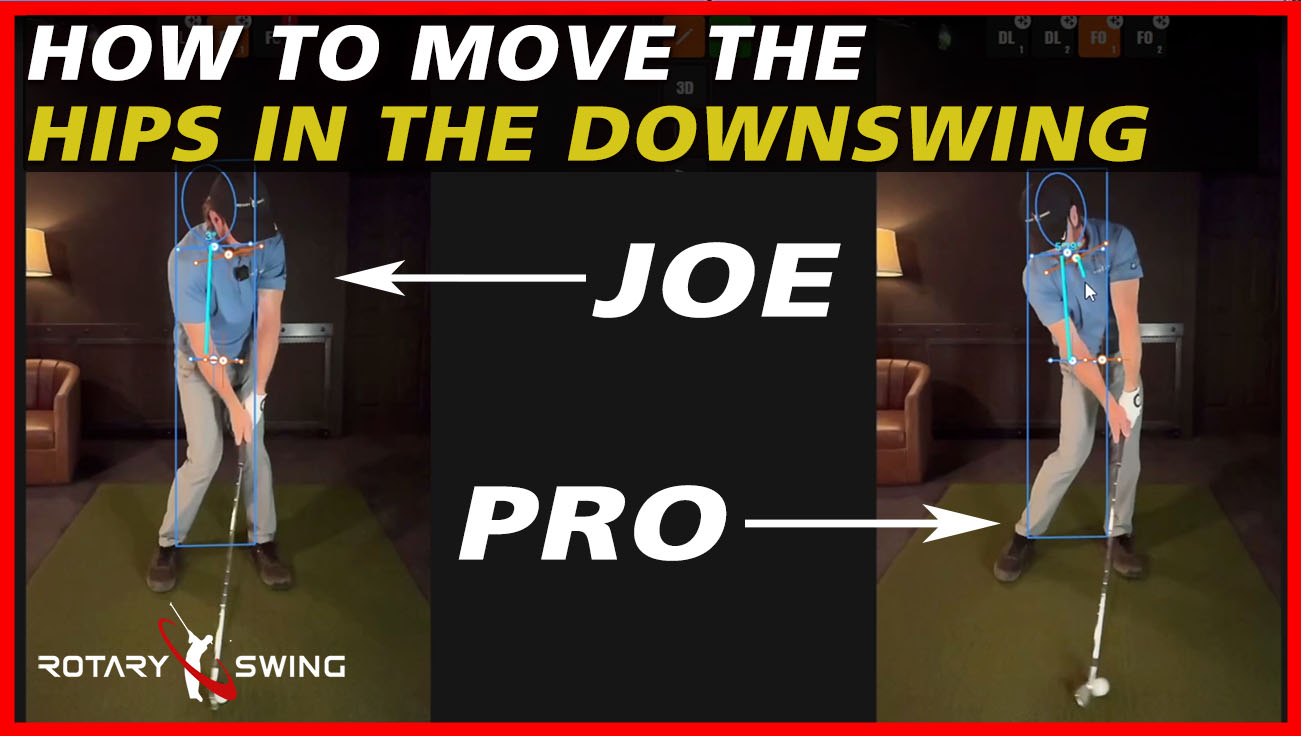
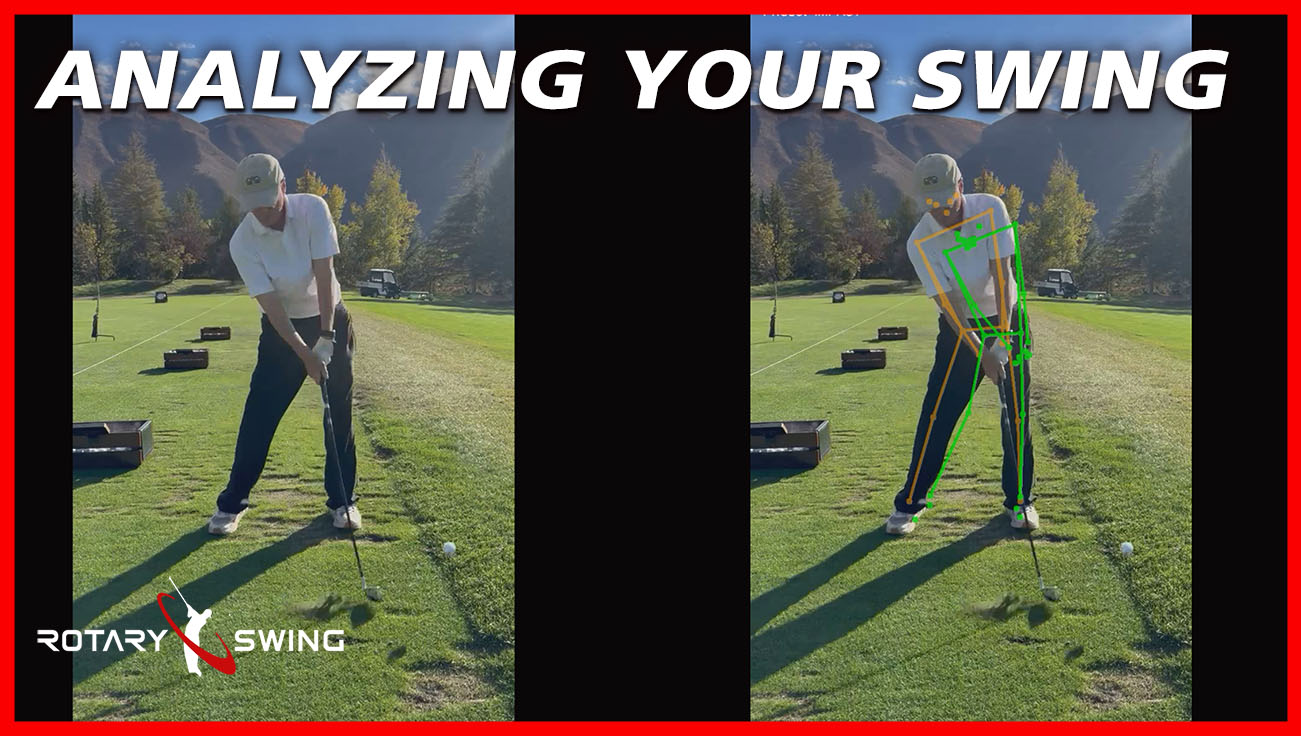
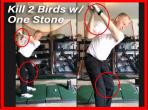
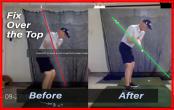
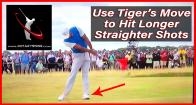
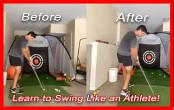
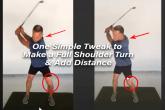
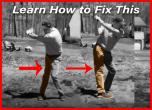
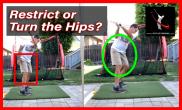
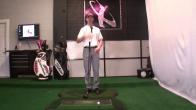
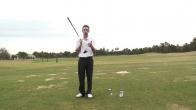
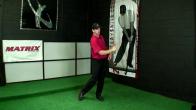
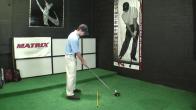
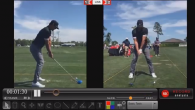
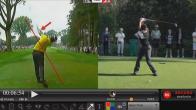
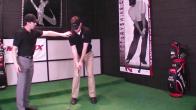
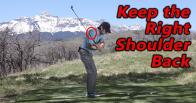
While golfers who hit the ball fat tend to stop their rotation or increase their spine angle too much, golfers who hit the ball thin often lose their spine angle during the downswing and have too much drive of the lower body.
One is usually caused by too little body movement and the other is often caused by too much.
Want to feel this in YOUR swing? Try a free AI-powered golf lesson → — GOATY gives you real-time voice coaching, pose tracking, and instant feedback on every rep.
Related: Fix coming over the top with live AI coaching →
Android users: Download GOATY on Google Play — free AI golf coaching on your Android phone. →
If the spine angle decreases during the downswing, often referred to as "coming out of the shot," the club will not be able to reach the ball as the whole body has moved away from it.
Stop reading about it — feel it in your swing today
GOATY watches your swing live and coaches you between every rep. Free. No signup.
Start Your FREE Live Lesson →There are two common causes for coming out of a shot in the one plane swing: a fear of hitting it toward the lead side, and simply swinging too hard by driving the lower body aggressively toward the target. Using an AI swing analyzer can help identify which of these patterns is costing you solid contact.
Golfers coming from a two plane swing background often feel like they are swinging "" when learning the one plane swing because they are so used to dropping the club to the inside.
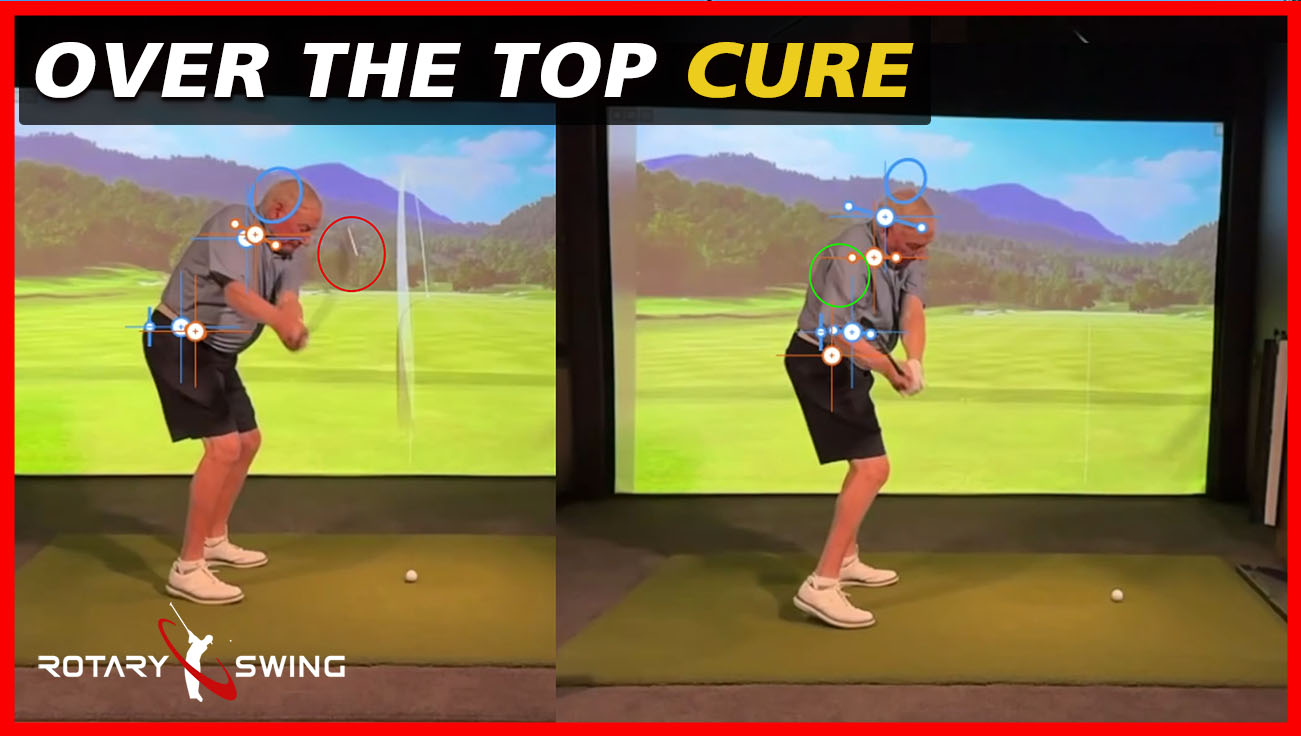
If the golfer actually does come over the top, the ball will go, or at least start, toward the lead side of the target. However, in the one plane swing, the golfer swings in a way that feels over the top because there is no re-routing of the club with the arms on the downswing, but the ball goes straight.
When faced with a shot that would penalize a ball missed toward the lead side, one planers sometimes don't stay committed to the shot for fear of hitting it into trouble and will bail out by pushing the ball to the trail side.
The other common cause of losing the spine angle is when the golfer simply swings too hard and rotates so aggressively toward the lead side, or slides the hips so much, that it is physically impossible to maintain the spine angle through impact.
The fix for both of these misses is much the same: stay committed to the shot, rotate through impact, and trust it. Elite players who consistently make solid ball contact do so by maintaining their posture all the way through the hitting zone.
Video Transcription: Hitting Shots Thin
Another common miss in the one plane swing is for golfers to hit it thin. What I mean by "thin" is that as they're coming through impact they'll hit it a little bit low on the club face, so rather than catching it more in the center of the club face they'll actually hit it a bit low so the club face can't hit it and make solid contact.
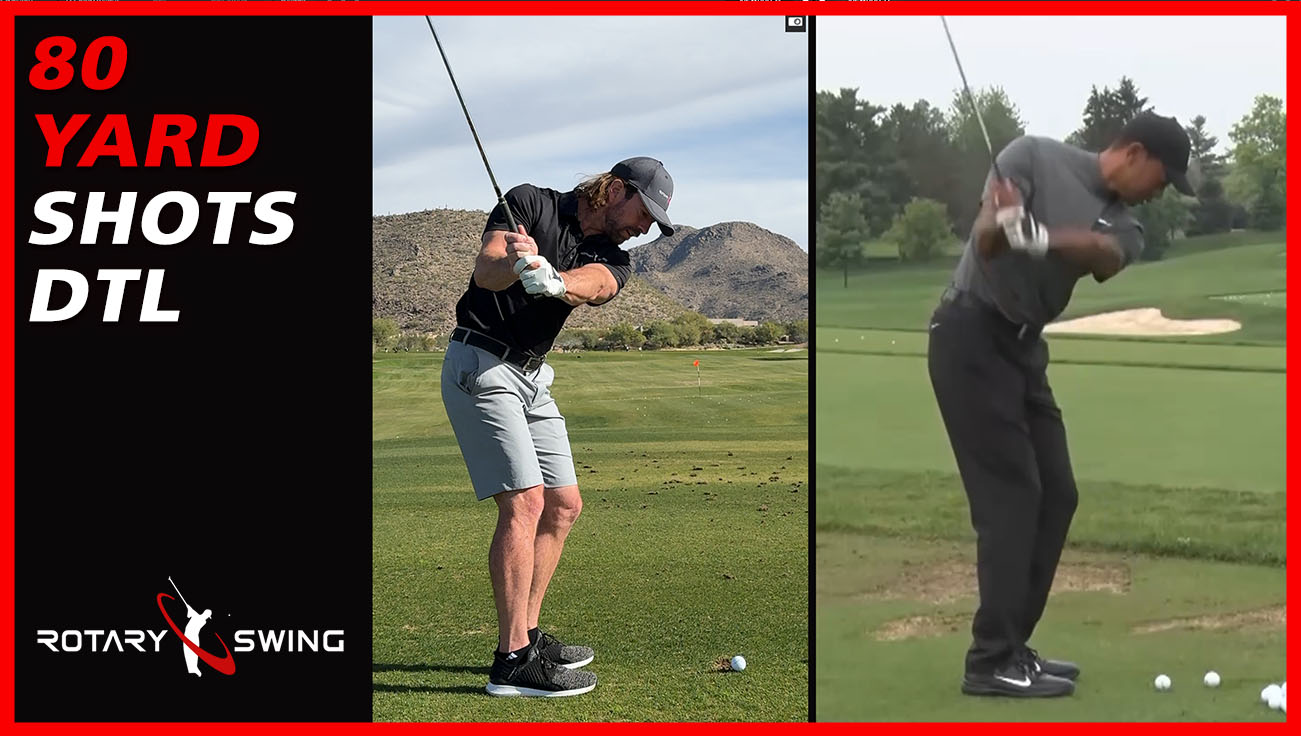
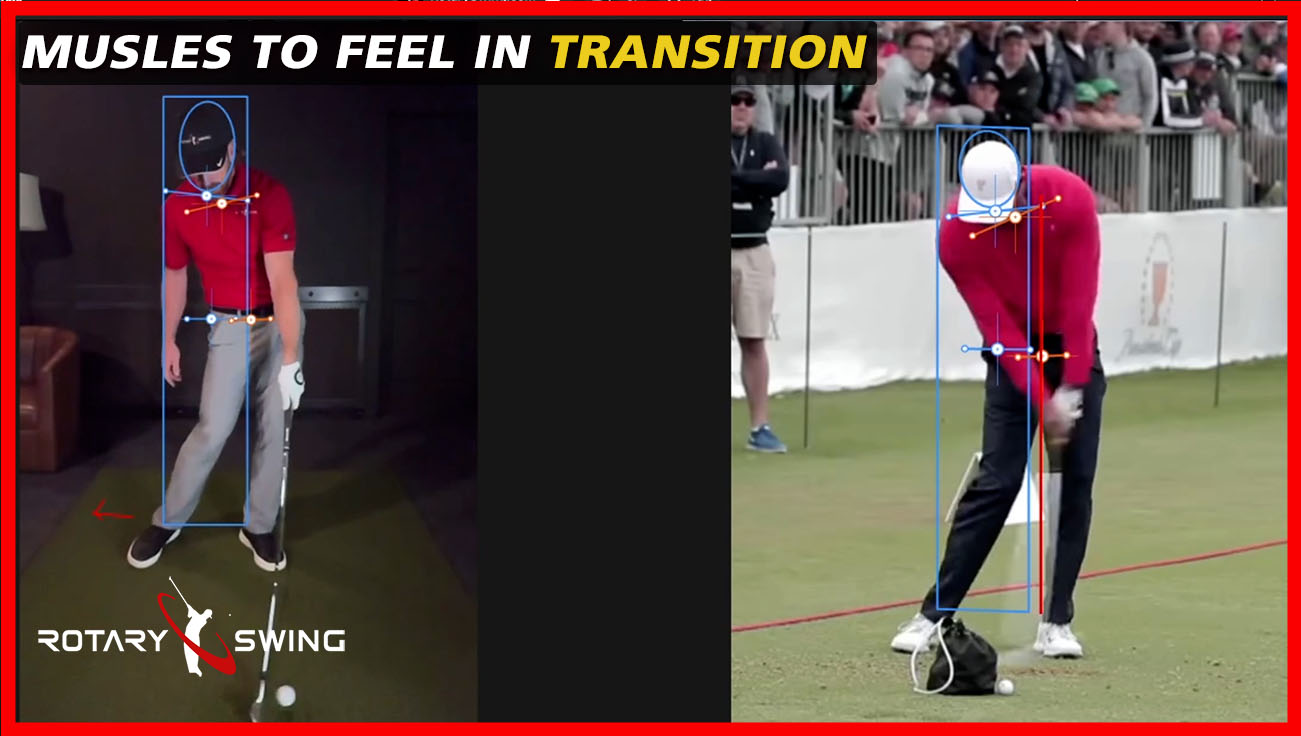
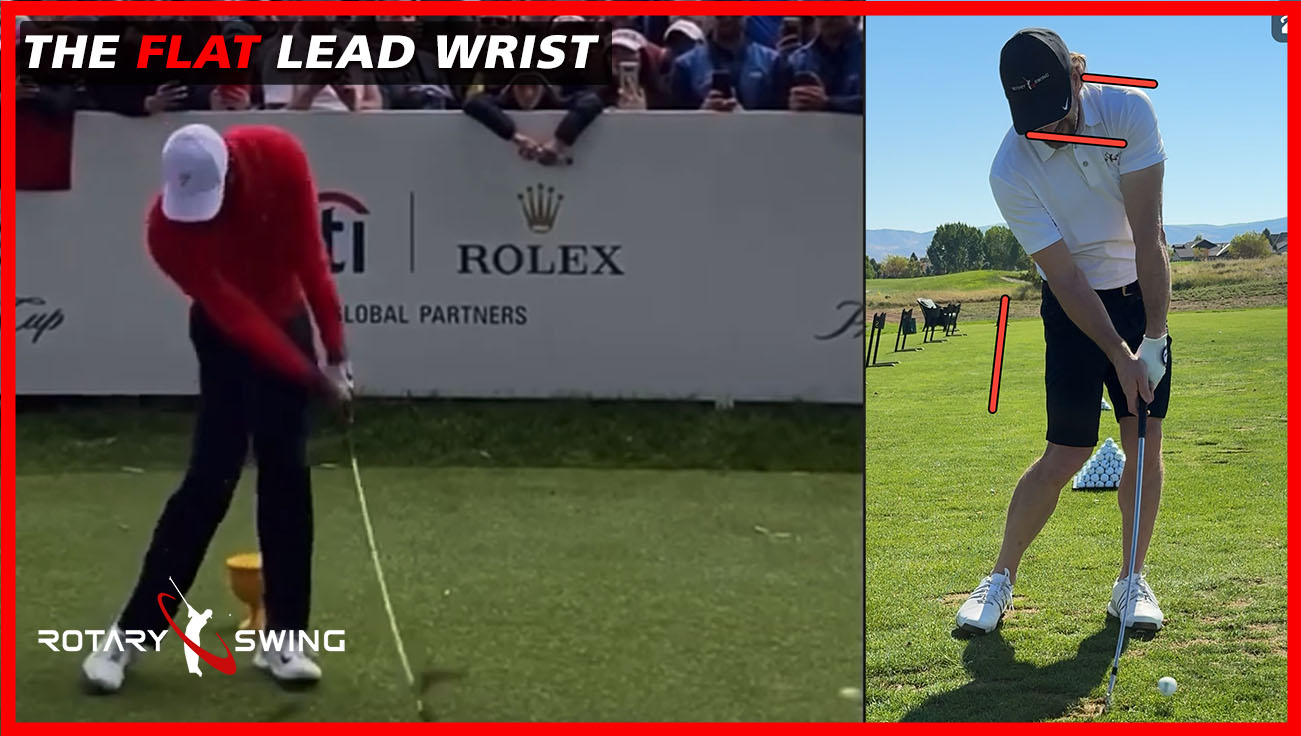
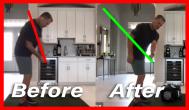
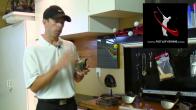
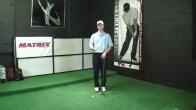
Nine times out of 10, the general culprit of that is for the spine angle through impact to move away from the ball. What I mean by that, if you look down the line as I'm coming into impact, if I keep everything constant the club will be able to make solid ball contact.

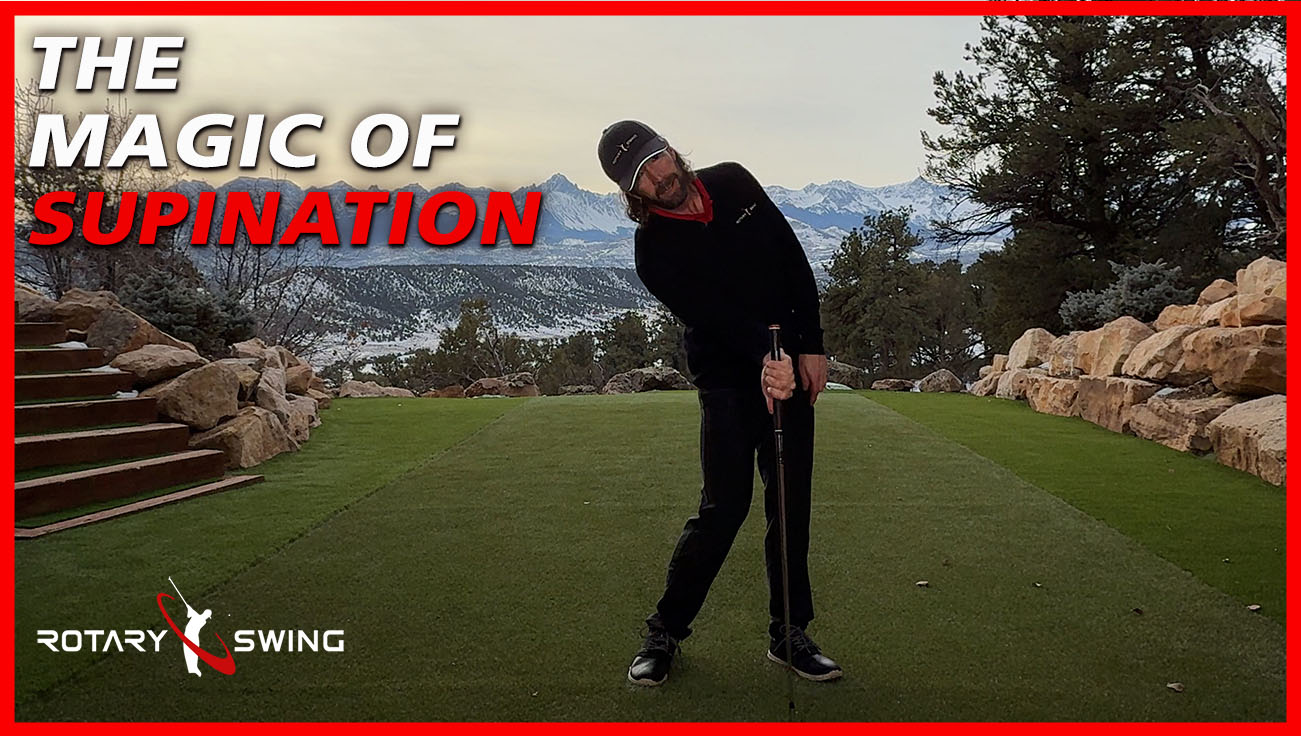
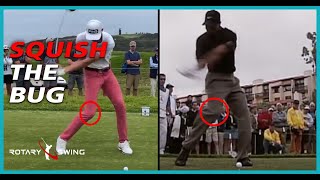
Losing the spine angle moves the club head away from the ball, causing thin shots
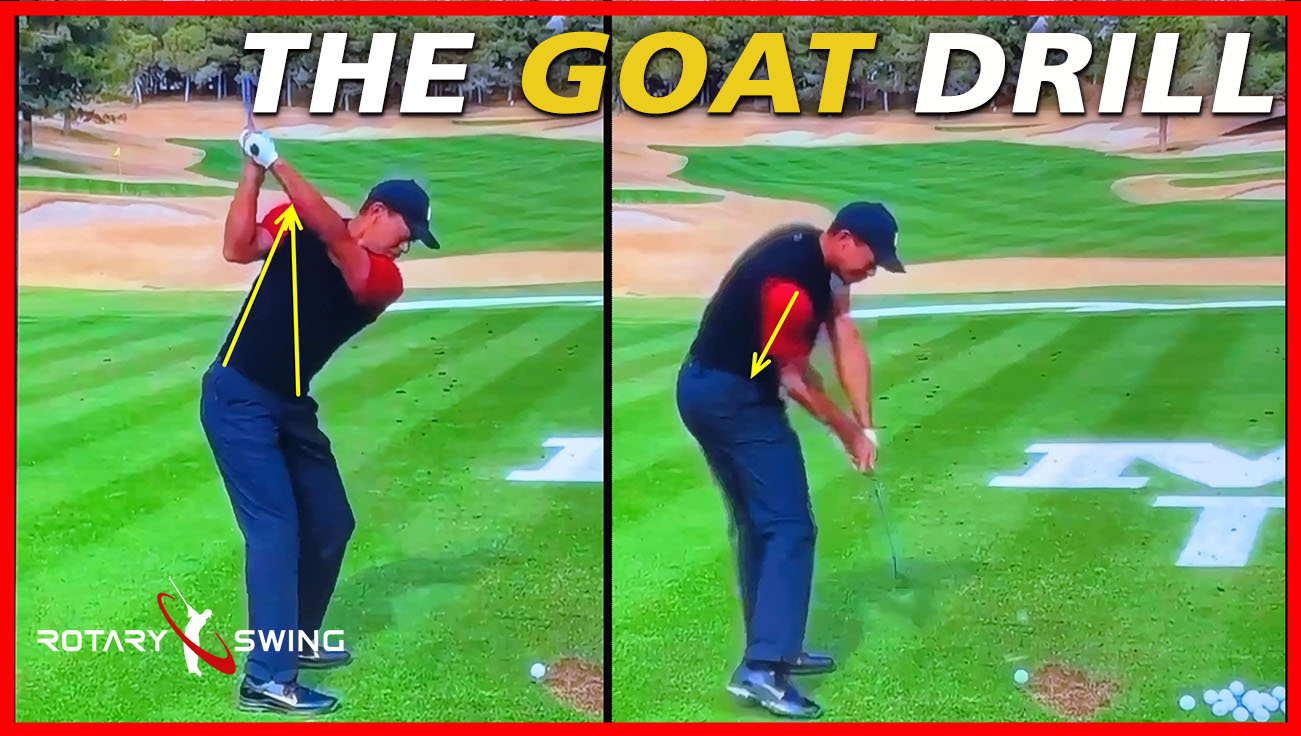
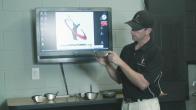
But if I tilt my spine away from the ball, you can see that the club head is of course going to move away from the ball. When that happens, of course I have no choice but to try and manipulate it to get the club to make solid contact. The GOAT Drill system is specifically designed to train you to hold your structure through the impact zone so this never becomes a habit.

The right hip kicks in toward the target
It's important for golfers who hit it thin to stay into the shot, stay through the shot, and drive through with their body, rather than coming out of the shot, kicking the trail hip into the ball, and losing spine angle at impact.
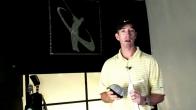
To demonstrate a thin shot: if you watch, I'll lose my spine angle through impact intentionally. Here I came out of the shot. My trail hip kicked in toward the target. I had no chance at hitting a good, solid golf shot.
All I need to do to fix this is for my spine angle, as I'm rotating through impact, to stay constant throughout the golf swing. Keeping that posture angle intact from the top of the backswing all the way through contact is the key to eliminating thin ball striking for good. That looks more like this.
How to Stop Hitting Golf Shots Thin
Learn to maintain your spine angle for better golf shot contact and to avoid hitting thin shots.
-
1
Understand the Thin Shot
Recognize that hitting thin shots often results from losing your spine angle during the downswing. This causes the club to miss the ball.
-
2
Maintain Spine Angle
Focus on keeping your spine angle constant throughout the swing. This helps ensure the club can make solid contact with the ball.
-
3
Stay Committed to the Shot
Commit to your shot and avoid bailing out. Trust your swing and maintain your posture through impact to improve contact.
-
4
Drive Through Impact
Instead of sliding your hips aggressively, drive through with your body while keeping your posture intact. This helps maintain spine angle.
-
5
Practice with Checkpoints
Use drills that focus on maintaining your structure through impact. This will help you develop the habit of keeping your spine angle steady.
-
6
Analyze Your Swing
Consider using an AI swing analyzer to identify if you're losing your spine angle or swinging too hard. Adjust your technique accordingly.
Watch part 2 now to see how you're moving your body in the opposite direction of the pros!