Video Transcription: 5 Minutes to the Perfect Takeaway
The takeaway is one of the easiest parts of the golf swing to get correct. You're starting from a static position, and there's very little movement involved. However, it's probably the element of the golf swing that I see messed up the most by the greatest number of golfers.
When you're learning the takeaway, it's imperative to invest the time to learn to do it properly, to understand the checkpoints, what you're looking for and why, and how all the things you do wrong can compromise the rest of your swing. It's critically important that you dedicate the time to master the takeaway. If you want to track your progress objectively, try a free AI golf lesson that gives you real-time feedback on your movement patterns.

Wrist cock (above) and hinge (below)
I'm going to walk through all the checkpoints, and then give you essentially a follow-along program at the end that you can use to start developing feel, checking yourself with mirrors and video, to make sure you're executing these movements correctly.
The first thing I want to address are a couple of the most common tendencies I observe. Probably 80 to 90 percent of the golfers I work with, whether it's at a clinic or an in-person lesson, exhibit one of these two typical faults that I'm about to describe.

Many golfers hinge the wrist at takeaway
The first one I want to cover is the wrist hinge. If I'm standing here at address, and all I do is hinge the trail wrist...when we talk about wrist movement, if you've seen the Rotary Swing Tour Instructor Manual you'll understand that moving in this plane is cocking and uncocking. This way is hinging and unhinging, to keep things straightforward.
What you want to feel during the takeaway is that there's maybe a small amount of cocking, which is acceptable, but there's no hinge. I'm going to explain why. First of all, when you place the trail hand on the golf club it's remarkably easy to move the club a long distance just with hinging. This is a dominant move. This naturally wants to happen during the swing.

Hinging the wrist shuts the club face
That's the direction you want to move the club, and the quickest, easiest way to move that club in that direction is to hinge your trail wrist, so that's precisely what a lot of golfers do. To start the takeaway, the very first thing they do is hinge that trail wrist.
What that does, if you look from down the line, is it shuts the club face. Now we've immediately started our golf swing requiring some sort of compensation, whether you're going to maintain a shut club face at the top and hold on through the downswing, or whatever alternative you choose. You have to do something to compensate for a closed club face, period. There's simply no way around it.
We obviously don't want to be building compensations into the first six inches of the golf swing, so what you must learn to do is keep that wrist in neutral. There are a couple of checkpoints for you to examine.

Right hand on top, left on top, and neutral.
First, when you move from the trail wrist and hinge it, your trail hand will tend to end up on top of the club, and your lead hand will be slightly underneath. What I mean by that is, if you do this, you can kind of see that my trail hand is slightly on top of the lead, versus this would be the lead on top of the trail. This would be neutral, and that's the trail on top. Now my club face is shut, my hands are underneath.

The body barely moves
If you look closely, you'll actually notice that my lead wrist is bowed. This action of hinging the trail wrist forces the lead wrist to do the opposite — it has to bow — and that's where you end up with this severely shut club face. For most golfers, they tend to do this and get the club way inside.
My body, if you watch from face on, is barely moving at all. Simply by hinging my trail wrist, look how far I can move the golf club without ever having to engage any powerful muscles. If you wonder why you don't have any power in your golf swing, and this describes you, you're not using any big muscles. You're literally just using the muscles in your forearms. How substantial are those?
We need approximately 32 pounds of muscle to generate 100 miles an hour of club head speed. Unless you have really big forearms like Popeye, you don't have 32 pounds of muscle in your forearms, so you're not going to be able to generate significant speed. Not to mention that it changes your path, plane, and club face angle.
We don't want this, so what do we want?
If you'll notice, at address my wrist has got a slight amount of cupping in it — the lead wrist. Because of how your arms naturally hang when you bring your hand across and take your grip, there's a slight amount of cupping present.
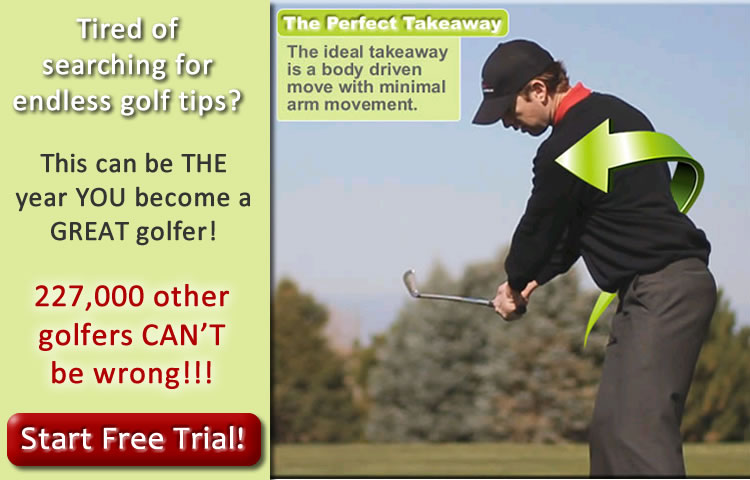
You want to preserve that. It's that simple. You don't want to flatten it out, which will happen if you hinge from the trail wrist, or even try and roll your lead wrist inward. You want to keep that perfectly neutral.
Let's look at that. I'll demonstrate that from face on first. When I teach, a lot of times I actually put my thumb on the wrist joint to keep it hinged, then I'll have them take the club back and hold that angle. Now my wrist is still angled. I still have the same amount of cupping that I had at address. Now let's see what that does to the club face. It's square.

The hands only move when the body moves
All I'm doing is taking it back, maintaining the same amount of cupping that my lead wrist had at address. My trail wrist is flat. Guess what? When it's at address, it's flat. I'm not increasing this angle at all.
Again, if I hinge my wrist 20 degrees, I can move the club a couple of feet. This is extremely easy, so if you're somewhat lazy in your swing and you don't rotate — which we're going to address shortly — you're just going to do this and you're going to have a really arms-dominated, wristy golf swing with no power or control from your body.
The first thing you want to verify is whether or not the first move you make looks something like this. Your hands should appear as though they don't move during the takeaway, other than as a consequence of your body moving.
Right now, my hands are staying exactly how they were at address. I'm purely rotating. Hopefully you can see that. My hands are maintaining the exact same relationship that I had at address with my chest. I'm not moving my arms or my hands. I'm turning my torso. No independent hand movement whatsoever — that's the first problem I see.

Pushing from the left doesn't move the body
The second problem I encounter is perhaps somebody who keeps their wrists intact, but shoves their lead arm across their chest. That's the lead-arm push.
What that looks like, again, is no rotation. I'm not turning my body at all, but look how far the club is traveling. I can move the club all the way to the completion of the takeaway simply by moving from this lead shoulder socket and pushing the lead arm across my body. When I do that, the club's all the way back but I literally have not made any rotation whatsoever.
Again, this leads to a flat, inside golf swing. I'm not turning. This is detrimental for a number of different reasons. Obviously I'm going to tend to swing really flat, I'm going to tend to swing the club too far inside, I'm also going to tend to roll my arms and make it even more inside, and so on and so forth.

Learn to rotate correctly
The bottom line is you simply don't want to do anything with that lead side. You're going to learn, as we work on this, to just rotate. I'm going to provide you a couple of drills as we start this process to feel how to develop that rotation.
We know what we don't want to do, and we know what most golfers do. So what do we actually want to do?
I use an acronym for the backswing. It's REF — Rotation, Elevation, Flexion — that's all you truly need. There are obviously fine details within each component, but that's your big mantra to keep in mind.
You're going to make a big rotation, a big body turn. You're going to elevate your arms slightly, and you're going to have flexion at the trail arm. Those are the three keys to having a great backswing that is remarkably simple to execute.
The first part we need to understand: hopefully you've been following the "Five Minutes" series and you've already incorporated rotation into your golf swing. Most golfers I observe do this really well when they're performing the drills. If they've followed along with that video series they turn beautifully, but as soon as they put the golf club in their hands, this is what happens.
They abandon that rotation, and now they think they need to swing the golf club. Obviously, we don't want that, so let's take the club out of the equation to begin with.

Turn your rib cage
We're going to learn to rotate and elevate. Flexion we're not going to address here, because flexion doesn't happen until the takeaway is complete. There's actually going to be no flexion during this phase of the learning program.
What you're going to learn to do is rotate, and we're going to discuss the key checkpoints for that from face-on first.
Rotation. All I'm doing is taking my chest and turning like I'm going to talk to somebody behind me. Yes, I'm using the shoulder blade glide, but you don't need to make this into some super complex thing.
All you're trying to do is take your rib cage and turn. That's rotation. That's all it is, and you need to do this without facilitating it with a . This is what a lot of golfers do. I say, "OK, turn your back to the target, glide your shoulder blade," whatever cue I'm using to describe it to them, and they do this with their hips.
Now, yes, I have rotated. However, I have no coil and my hips have moved a long ways. Now they're going to have to travel a really long distance in the downswing. We don't want to add any of that extra movement, so all we're going to do is rotate.
Most golfers should be able to get at least 45 degrees of without moving their hips much at all. I can get a little bit more because I'm a little more flexible. That's all we're looking for. We need a tremendous amount of turn during the takeaway — far more than you think you need.

Let your body move your arms
The reason for that is I demonstrated how little the arms have to move to shift the club a long ways, but you need to feel the exact opposite. A lot of times I'll tell people to write this on the bill of their cap, or in the clinics I teach, "I want you to remember a mantra: Big body turn, little arm swing."
You really can't overdo that, for most golfers. I've never seen anybody overdo it, especially when I put the club in their hand.
All you're thinking about: just leave your arms at address. Forget that you have arms. Just kind of leave them there, and turn as much as you can. Now, I didn't move my arms at all, but guess what? My arms moved.
If you look down the line, when I rotate, I'm not trying to move my arms. I'm trying to turn my chest so I can look at the camera. I'm rotating — not moving my arms, not moving my wrists, not moving the golf club. I'm not trying to move the golf club. I'm trying to rotate.
The first part of the REF — the Rotation, Elevation, Flexion — is Rotation. You need to turn as much as you can, so that's what we're going to focus on: working on big rotation. Now my arms have no problem staying in front of my body.

Don't move your arms separately
The takeaway, when you're executing it via the Rotary Swing Tour model, is the simplest way you could possibly take the club back without introducing any extra moving parts, while simultaneously building a tremendous amount of power. There are no fewer moving parts that you can build into the golf swing other than rotating using your obliques, using your shoulder blade glide to initiate it, and turning your torso. That's it.
Now, when we introduce the golf club, I'm going to do rotation. That's all I'm doing. I'm not moving my arms. You've heard the term "one piece takeaway" — I agree with that concept. I just disagree with how it's typically taught.
I'm trying to tell you what specific muscles to engage to create a tremendous amount of rotation and a lot of coil, without swinging your arms and hands all over the place. That's the first piece that you need to understand: a massive amount of rotation.
The second piece: there is a small amount of elevation that happens during the takeaway. Elevation is simply this — stand straight up, get in good posture, put your arms straight out in front of you, and elevate them without shrugging your shoulders.
It's elevating them, like you're using your shoulder as a hinge socket. It's a hinge joint — just pretend that it is, for this purpose — your arms do not move this way in the golf swing. That's in a horizontal plane. You want to think of them moving in a vertical plane.
What's going to happen is rotation is going to create the horizontal movement, or the depth, of the golf swing. That's what you're doing to create the club moving around in a circle. The arms don't need to help with that process at all. The body is perfectly capable of moving the arms deep back behind you, so there's no need for your arms to try and facilitate creating depth in the swing, because all you're going to accomplish then is swinging really deep and flat.

Elevation plus rotation equals swing plane
You need to internalize the concept that your arms are only moving vertically, so when we add vertical elevation... This is what we call shoulder elevation; technically it's shoulder flexion. What you're really doing is flexing from the shoulder, but we just call it shoulder elevation to convey the concept that the arms are moving in a vertical plane. And I combine this with rotation. Now I'm creating a swing plane. That's how you create it.
When we look down the line, I'm teaching myself elevation, elevation, rotation, now combine the two. Well, if you want to keep your arms in front of your body, this is exactly how you do it. Rotate while adding a little bit of elevation.
When we get to finishing the whole thing, we're going to do elevation, flexion — just hinging from the trail arm; we're not going to talk about this a whole lot right now, just to give you the full picture — elevation, flexion, rotation.
Now if I do this in my posture, elevation, flexion, rotation... I just made a golf swing. It's that simple. What we're doing is learning to combine those moves as we do it at speed. It's that straightforward, and that's the purpose of this video.
To get back to elevation, here's what we're doing. During the takeaway, there's going to be a small amount of elevation. My arms are hanging down naturally at address, and I'm just going to move them vertically in this vertical plane, while rotating.
All that does is keep the club a little bit more up in front of me. If I don't add any elevation from the shoulders, my hands are going to get really low and shallow, and they're going to tend to work too far around my body. So you've got to add some elevation to keep the club in front of the body and working upward until we add flexion.

Your hands will be about belt-high during takeaway
It's a small amount. Basically, your hands are starting out down around the mid-thigh. As you rotate on this inclined plane, they're going to move up to about belt-high, roughly belt-high or pocket-high during the takeaway.
You're not going to be way up here during the takeaway. It's a small amount of elevation. Right now you can see they're down close to my knees. As I complete the move, they're up by my belt. It's that simple.
When we add the golf club, a little bit of elevation with rotation produces a perfect takeaway. That's all we're doing. I'm not moving my hands. You know that we're not hinging. I'm not bowing this wrist. I'm simply turning while adding a little elevation. That's the entire takeaway.
Now let's put this together in a little workout program so that we can identify some more key checkpoints and learn how to do this very, very easily.
One other piece that we're going to incorporate in this workout program is sitting into that trail side, just a little bit. It's a small weight shift, but it does need to happen.
I'm going to do elevation, rotation, and I'm going to let my hips shift slightly to the trail side, so I push my trail foot heel into the ground; no more than an inch. All we're trying to avoid is this tendency; we're trying to load up into that trail glute slightly.
Notice my head's not really moving, but my hip is shifting slightly to the trail side as I add these two movements. It's a very small shift. If you can focus and feel that trail glute and the trail heel as you're pushing that ankle into the ground, that's all we're looking for. It's a small amount of weight shift.
Let's put this all together. We're going to do a little elevation, rotation, a slight amount of shift as I go back. Big turn.

Left arm push leaves fingertips uneven
Now, on camera that may or may not look like a big turn to you, but you need to feel a tremendous amount of turn, because most golfers don't turn nearly enough. They push their lead arm across, they hinge from the wrist, they bow the lead, they roll the arm.
All of this is moving the club a long ways, but I'm not using my body at all. We want a big body turn — remember the mantra — big body turn, tiny little arm swing. Now when we look down the line, my hands will be perfectly in front of my chest. I'm not really moving them. I'm moving my body, shifting my weight slightly, and that's placing my hands exactly where I need them.
A few checkpoints here: The first thing that you're going to observe, the most common tendency if you're watching yourself in the mirror, is for the golfer to disconnect and have their hands end up behind their body.
You'll notice, first of all, that my fingertips are no longer level because I've pushed my lead arm across my body. My trail arm has no choice. If it stays straight, which it must, if it stays straight my fingertips will no longer be level.
What most golfers will do is subconsciously bend their trail arm. They're like, "Well, my fingertips are level." Well, yeah — you've hinged your trail arm. The point is, your hands are still deep and buried. You're going to notice when you do this you're going to hinge from your elbow, and your wrist will tend to hinge as well.
Now you've added two extra angles into your takeaway that are completely unnecessary. Keep the trail arm straight, rotate — don't move your arms or hands at all. My upper bicep and my upper pec are still touching. This is not touching, and I see this every single day.

45 degree turn
People don't realize that they're doing this. Your hands — I'm going to turn and do a 45 degree angle here so you can see exactly where my hands would be. They're going to be right, directly at you because I can only turn about 45 degrees during the takeaway.
If I make a full turn, my hands should be right in front of the center of my chest, the buttons on my shirt. They shouldn't be back here. They shouldn't be way out here. If I just turn, they're going to be right in front of my chest. That's ideal.
There's no hinging in the trail arm, there's no pushing the lead arm across, there's no hinging in the wrist. Everything stays neutral, and I'm just rotating back.
If you feel this flying away, you need to monitor this, especially when you add a golf club into the mix, because you're going to want to do this. You're going to want to follow the momentum of that club. It's heavy.
It's easy to do this with just your hands. As soon as you add the golf club into the mix, guess what? It's creating momentum and you're going to want to follow it. You've got to learn to control that. You've got to learn to move the club with the body so that the club stays in front of the body.
Don't let it start to move you around. You swing the club by turning your body. This needs to happen fairly slowly for most of you. That's what we're going to do first.

Practice elevation
To accumulate our reps, here's what I want you to follow along with. Get into your golf setup. We're going to start out standing straight up. You can have a normal — that's perfectly fine. All I want you to do is practice elevation, and do this 10 times. All you're doing is teaching your brain the movement, the plane that your arms are going to move in.
Now we're going to add 10 times rotation. Not pushing your head, not pushing from the lead side. Just pulling your trail shoulder behind your head and turning your rib cage away from the target; turning your chest away from the target with minimal hip movement. It's not this, and it's not this. It's just rotation.
Now let's combine these two moves, rotation and elevation, while standing straight up. Minimal hip turn, all adding rotation, with a little bit of elevation. This is all you're trying to do in the golf swing. I'm not moving my head, I'm not tilting back.

Elevation & flexion with weight shift
I'm going to add a little bit of weight shift in here with my elevation, and I should be — if I do it from down the line — my hands should still be right in front of my chest.
Now let's do the same thing in our posture. Hinge, let your arms hang down naturally. Don't hold them way out here — that's cheating. That's not where you're going to hold the golf club, and you've already elevated too much. Let your arms hang down naturally where they're going to be when you grip the club, hands one inch apart; rotation, elevation.
At first, you can start to segment this. Make sure you get the rotation right, and then add a little elevation to teach yourself where your hands need to end up during this first move. You don't have to try and blend them together just yet. Just do rotation first, keeping your hands one inch apart.
Remember we're not drifting away. Just rotation; and then start to add a little elevation. Look at yourself down the line in front of a mirror. Your hands should be about belt high.

Hold the club to your belly button
A great drill when we add the golf club into this — which we're going to do now — is stick it in your belly button. Take the club, hinge over, stick the club in your belly button and choke down on it. Try to get where you'd be at address. Your arms might be outstretched a little bit; that's OK.
What you want to find is that, first of all, if you look from face on, that club forms a perfect perpendicular angle to my chest. In other words, if I move it pushing from the lead side, it's no longer perpendicular to my body. Can you see that?
If I'm doing this, this is no bueno. That's all pushing and just swinging your arms. There's no body movement in there at all, and my arms are going to swing deep behind me. I want to keep this at 90 degrees, while keeping my trail arm straight, so not doing this. That's going to show that I'm pushing my lead arm across my body.
My trail arm stays straight. Now if I add a little elevation, it comes away from my belly button. That's the key. Rotation, elevation; now the club is still pointing at my chest, if we look from down the line.
I'm going to go rotation, a little elevation... the club is still in front of my body. It's still at 90 degrees. However, if I elevate a little bit it moves away from my belly button. It's a great drill to learn how much you need to elevate, while still keeping your arms in front of your body.
You can do that drill, starting out just with the club, and then add weight shift to that. Let your weight feel slightly, and push that trail heel into the ground. Stabilize those hips, a lot of rotation, a little bit of elevation, no horizontal arm swing.
Once we master that with the club in our belly button, we can take our normal address position. Now we're going to hinge, let my arms hang down naturally, and now I'm going to keep everything exactly how it is. I'm going to do rotation, big, big body turn, tiny little arm swing.

Don't do this!
A lot of times I get questions asked, "When should I hinge my wrist?" By the time your hands are about pocket high, the club should be parallel to the ground — somewhere between belt and pocket high. That will typically require a little bit of wrist hinge. The term I want to use here, though, is it should feel that it's wrist cocking, not wrist hinge.
Technically, your wrist is hinging, because of the angle that it's sitting on the golf club. However, you don't want to encourage this motion. This is death for every golfer because all it does, again, is shut the club face and move the club deep behind you.
You want to feel that this is the only motion happening. Again, because your wrist is on the club in a turned position, there's a little bit of hinging there, almost kind of at a 45 degree angle between true hinging and cocking.
But I want you to focus on feeling that the wrist cocks up. Down the line, this will start to make a lot of sense. If I feel that I hinge my wrist, I barely felt I moved. I'll show you how much I moved my wrist. It's that much.
You can imagine, it doesn't take a lot of muscular effort to accomplish that, especially when I've got this heavy club swinging around me in space creating a lot of inertia, a lot of momentum. This is really easy to do, and now I'm stuck and it's all compensations from here.
Learning to keep that wrist straight and feel like I cocked up, now the club is moving in a vertical plane, and the club doesn't get behind me. It's that simple. That's why so many amateurs end up here. It's from these simple little moves; rolling the lead wrist, hinging the trail.
To answer the question: when do we cock our wrist? When the swing is about... this is about halfway done, roughly. When you're here, or when it's a quarter of the way done, you should have the wrist cocked about half or a quarter of the way.
In other words, if this is 25 percent of the swing, you're going to have 25 percent of your wrist cocked. That's a straightforward way to think about it.

Add just enough wrist cock to bring the club parallel to the ground
If I didn't cock my wrists at all and I made a great turn — notice I made a good turn — the club is just not quite parallel to the ground. Add a little bit of wrist cock. That keeps the club moving vertically in front of you, rather than swinging around behind you.
Just add a little bit of wrist cock. Notice my lead wrist is staying neutral. If I hinge, my wrist is now flat and bowed, and you can see what that does to the club. You don't have to be a rocket scientist to realize that's a bad position to be in.
If I feel that I cocked my wrist up while making a big turn, now the club stays in front. That's all we're trying to accomplish.
If you want to add a little bit of wrist cock that's gradual throughout the whole swing, but as you're checking for your takeaway, all we're going to verify is that it's parallel to the ground, the club's about pocket high, I've made a tremendous amount of rotation, my hands and arms have barely moved at all. They've stayed right in front of my chest.
You want to do that as many times as you can, so if you're going to work on your swing each day, if you can get 100 reps in, once you've mastered the other individual components of doing it without a club — working on elevation separately, working on rotation separately, internalizing the checkpoints that I mentioned in the article as well as in this video so far — that's going to accelerate your progress.
Now, the last thing I'm going to do is give you one more little drill. I call this the shark fin drill. I just call it that because you kind of look like a shark. You're going to put your hand right in the center of your chest — your trail hand only, pull your lead hand behind you — and start to rotate.
The reason I use this drill is because so many golfers dominate the backswing with the lead arm, trying to create a swing plane, trying to move the club. That's a very dominant movement pattern that you have to learn to break.
When you take your lead hand out of it and move from the trail side and keep that trail hand right in front of your chest like a little shark fin, now you're starting to feel how you rotate and pull your shoulder blade back. Minimal hip turn, and nothing from the lead side.
Same thing we did in the rotation drills, when we put both hands on here and you started feeling whether or not you were pushing from that lead side. Same thing when we added the golf club into it. We want to just feel big turn, tiny little arm swing, so we can take the lead arm out, which is typically the culprit of pushing.

Adding the club back in
Now when we add the golf club, we can kind of do an extension of the shark fin drill, which is just taking the club back, trail arm only. Keep the lead arm out of the picture. Now this is the golf swing. I'm rotating back. My arms are barely moving.
From down the line, I'm making a great takeaway and my trail wrist has not changed. Nothing's changed. I'm just turning while adding a little bit of shift and a little bit of elevation. That's all we're trying to do in the takeaway. If you can master this simple little part, the rest of the golf swing becomes so much easier. You can get detailed, objective feedback on exactly how your body is moving with a free AI swing analysis — it will show you precisely where your movement patterns diverge from the ideal.
But if you screw this up, which you can easily do within the first 12 inches of the takeaway, the rest of it's all compensation. We want to work really hard on the takeaway to make sure we get this simple little move dialed in.
Watch all the checkpoints. You don't want to be hiking your shoulder up, swinging your arm across. You don't want your head moving way off the ball — all these things. If you can master this, take the time to do the reps, the rest of your golf swing will be a piece of cake.
Watch part 2 now to see how you're moving your body in the opposite direction of the pros!






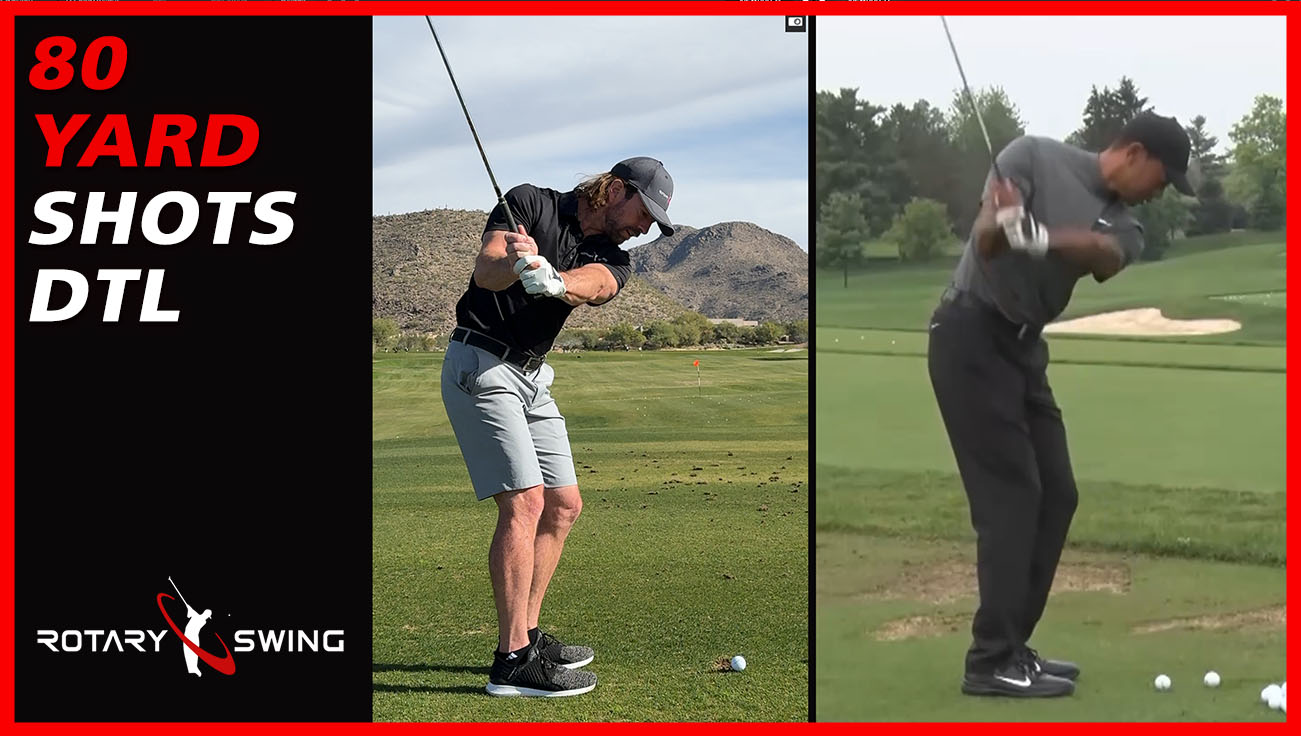
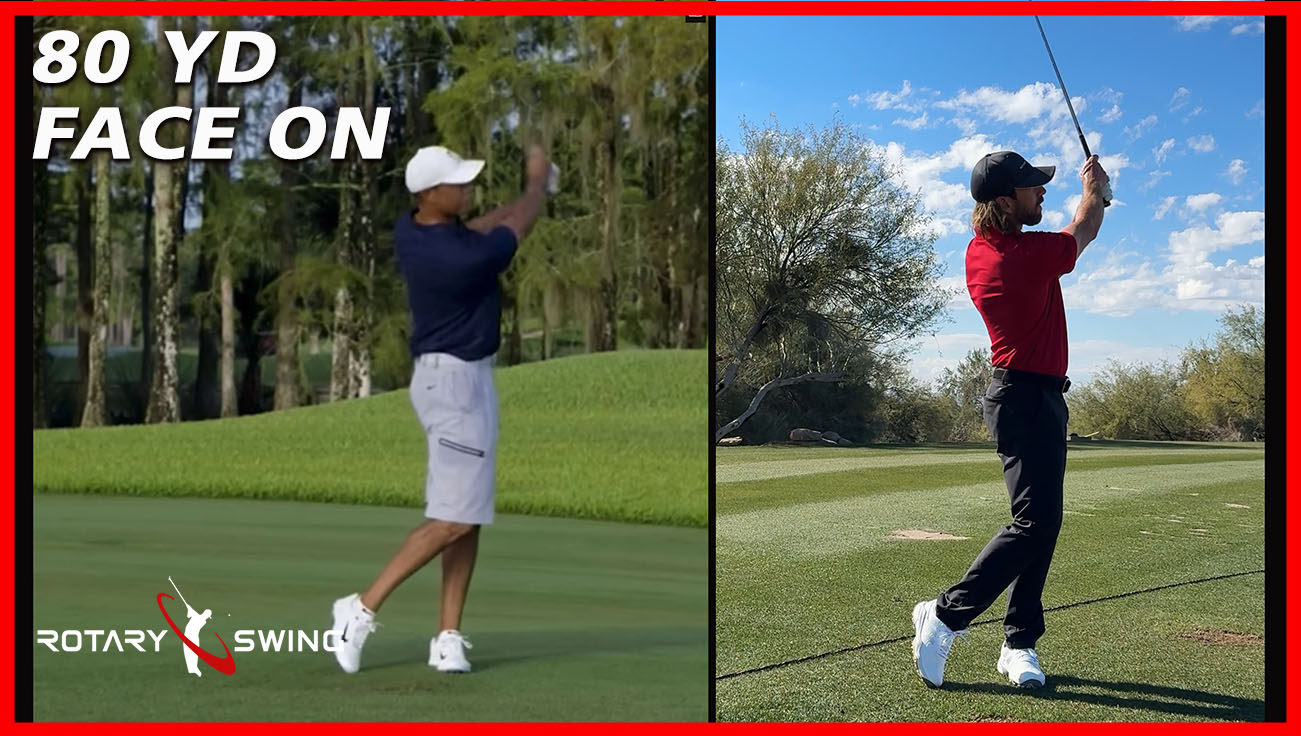
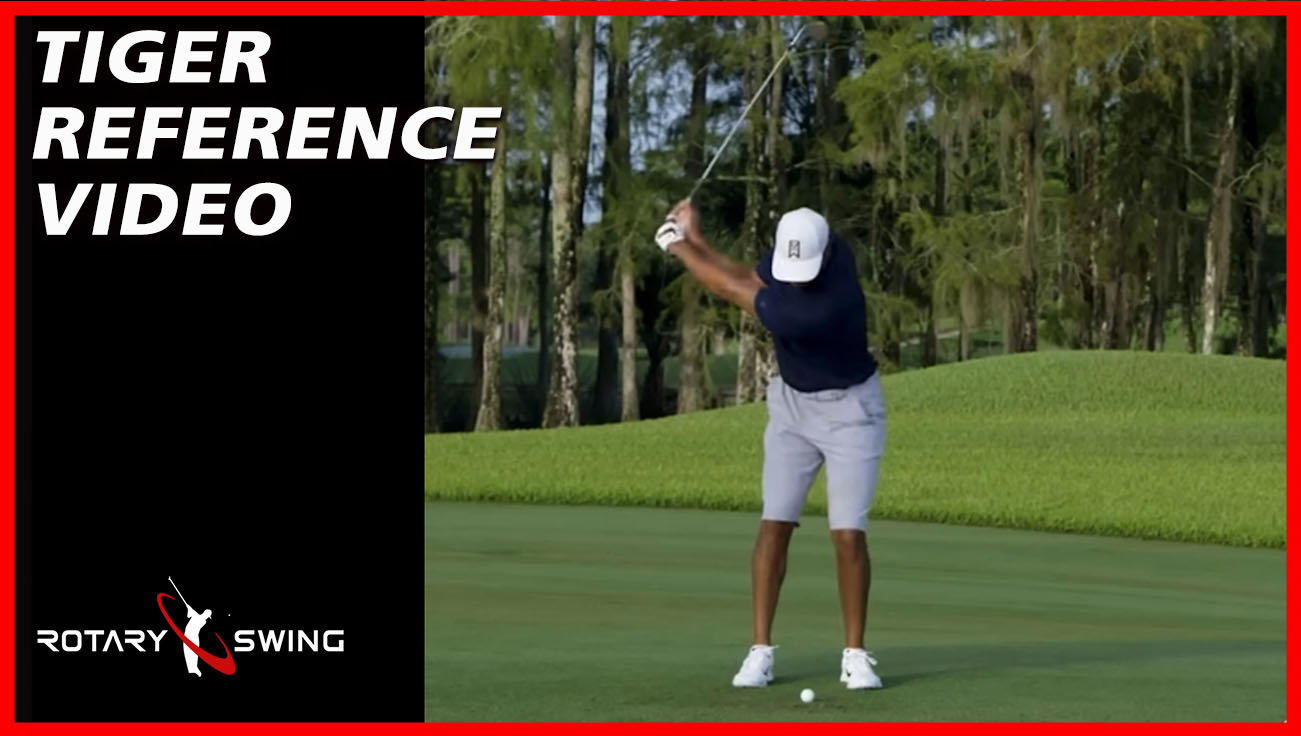
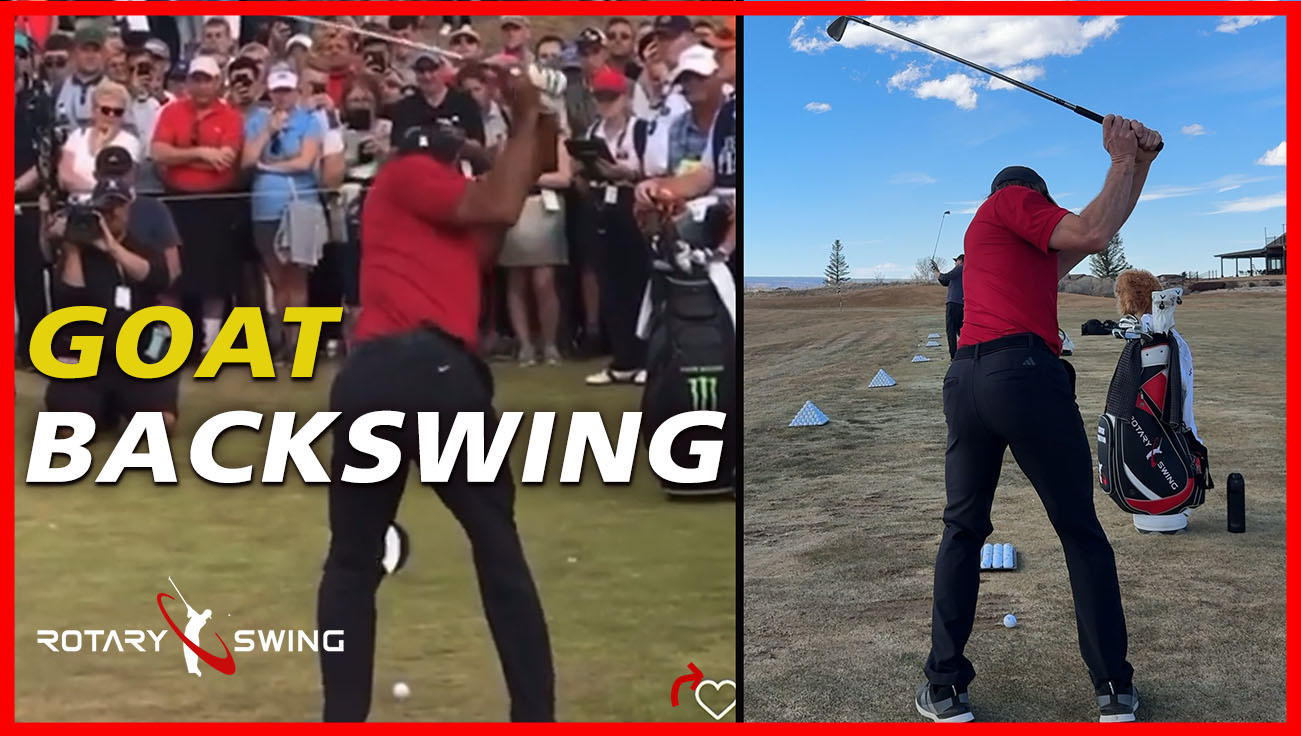
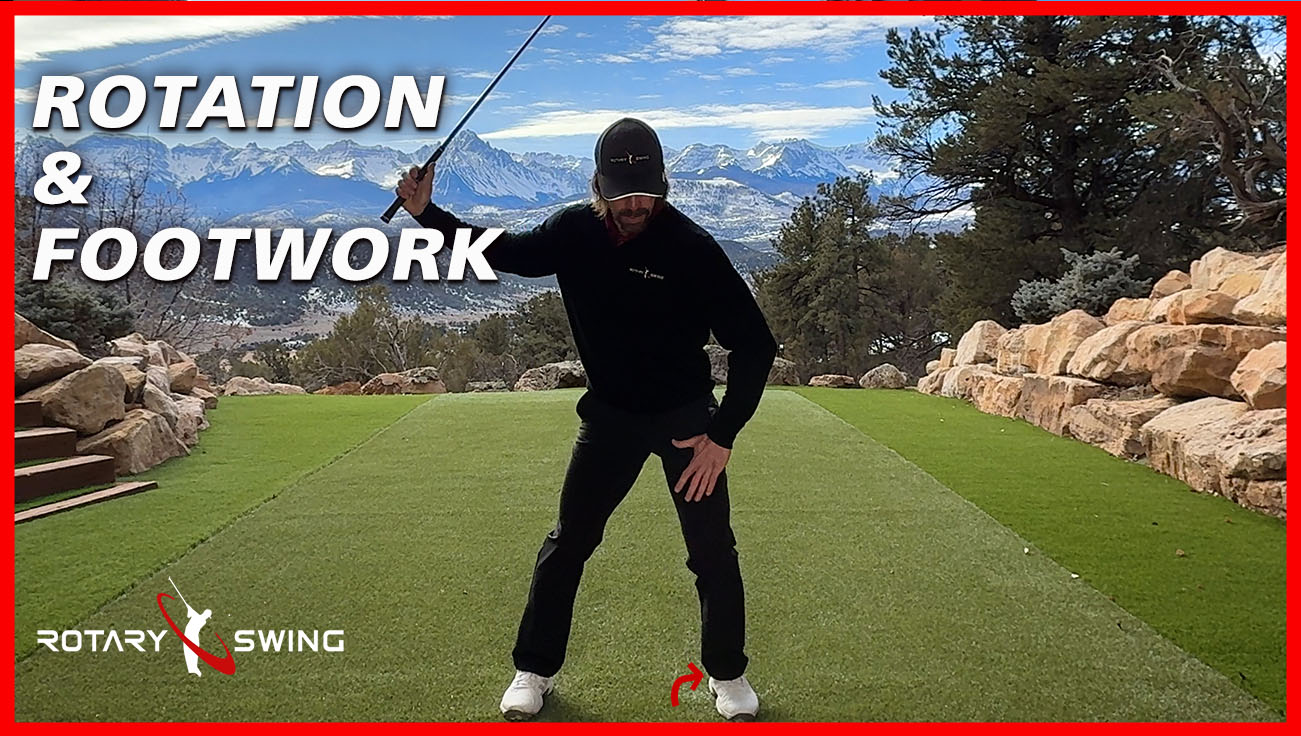
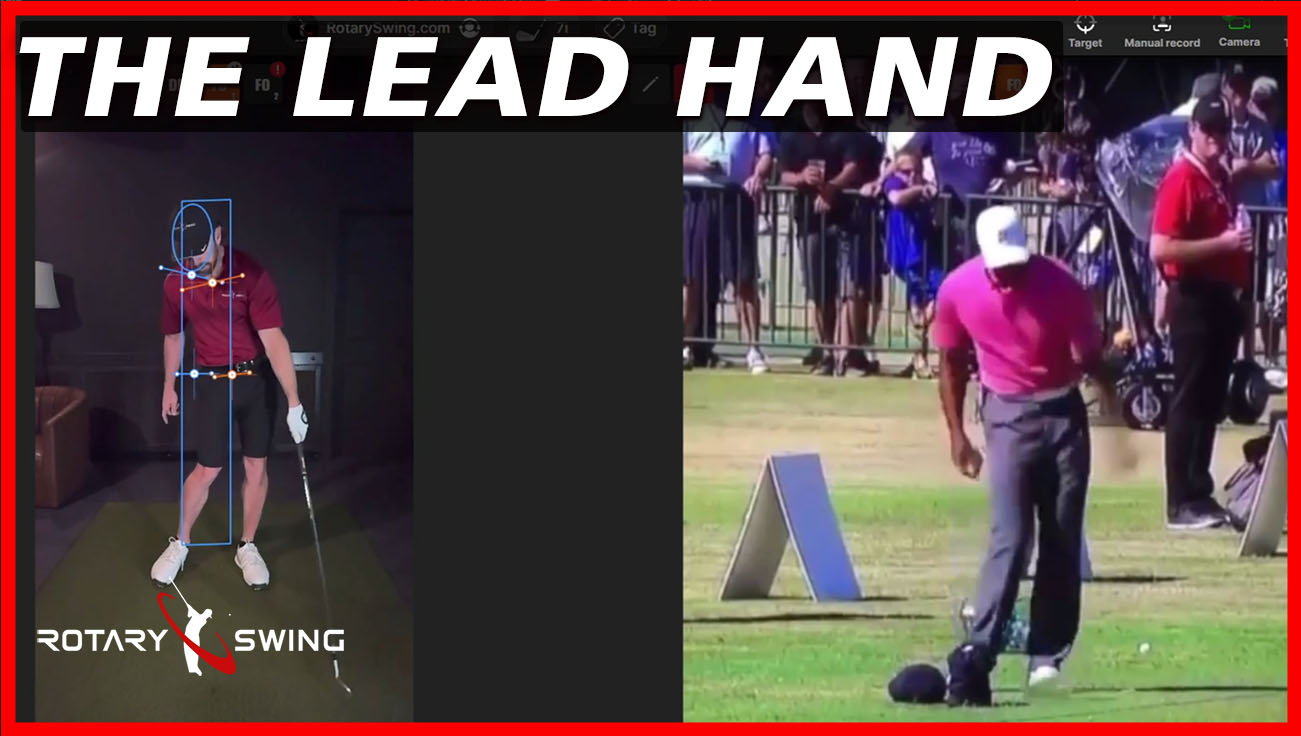
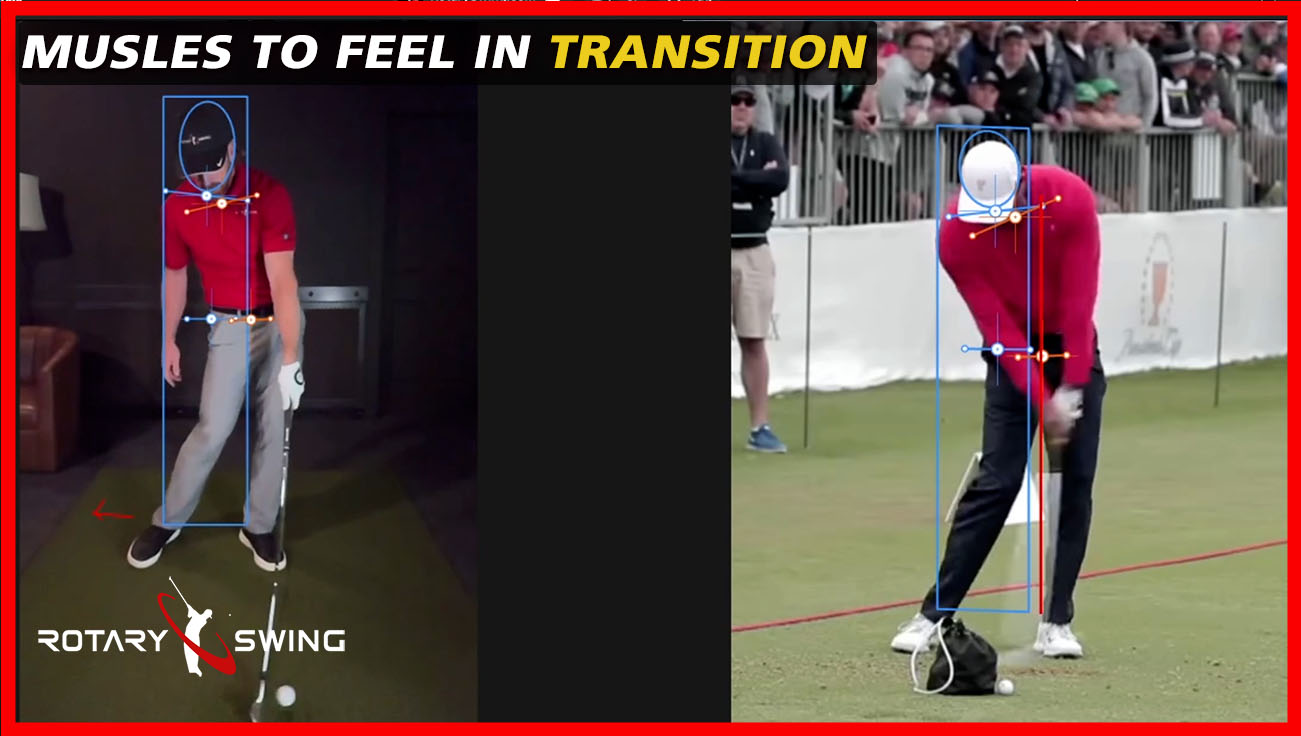
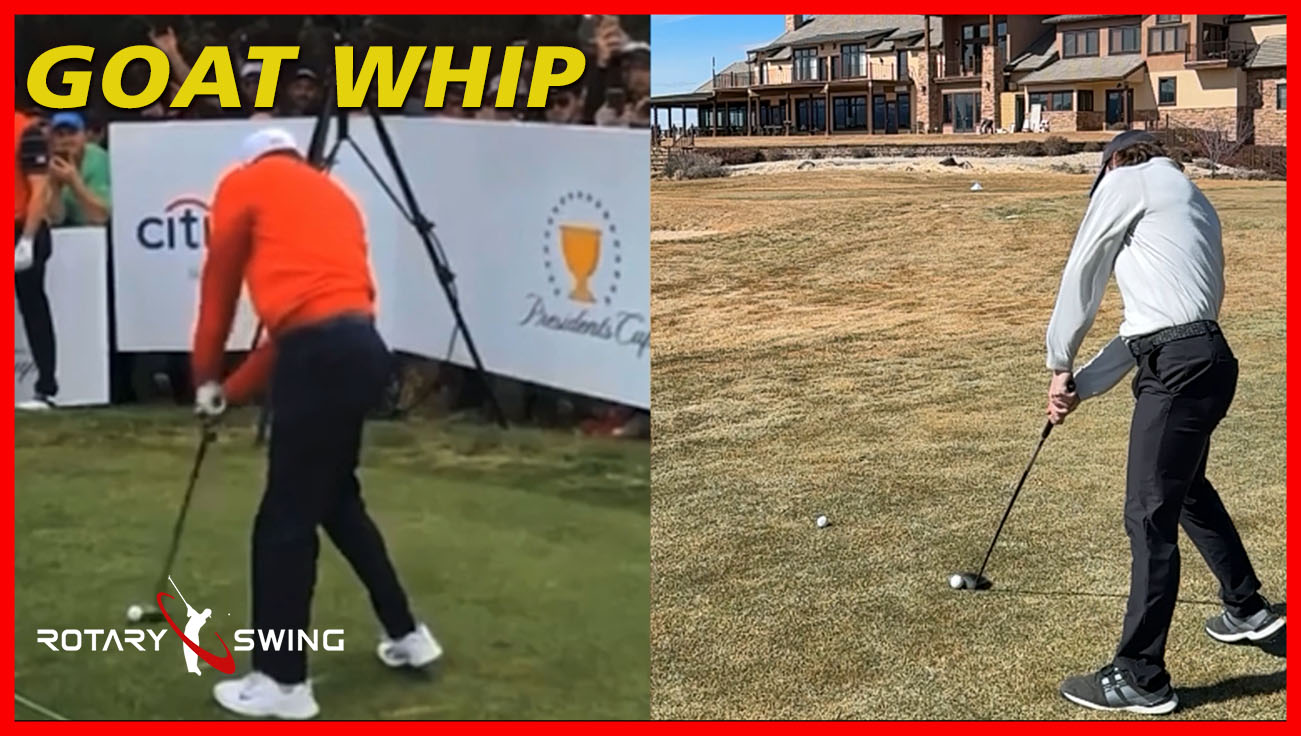
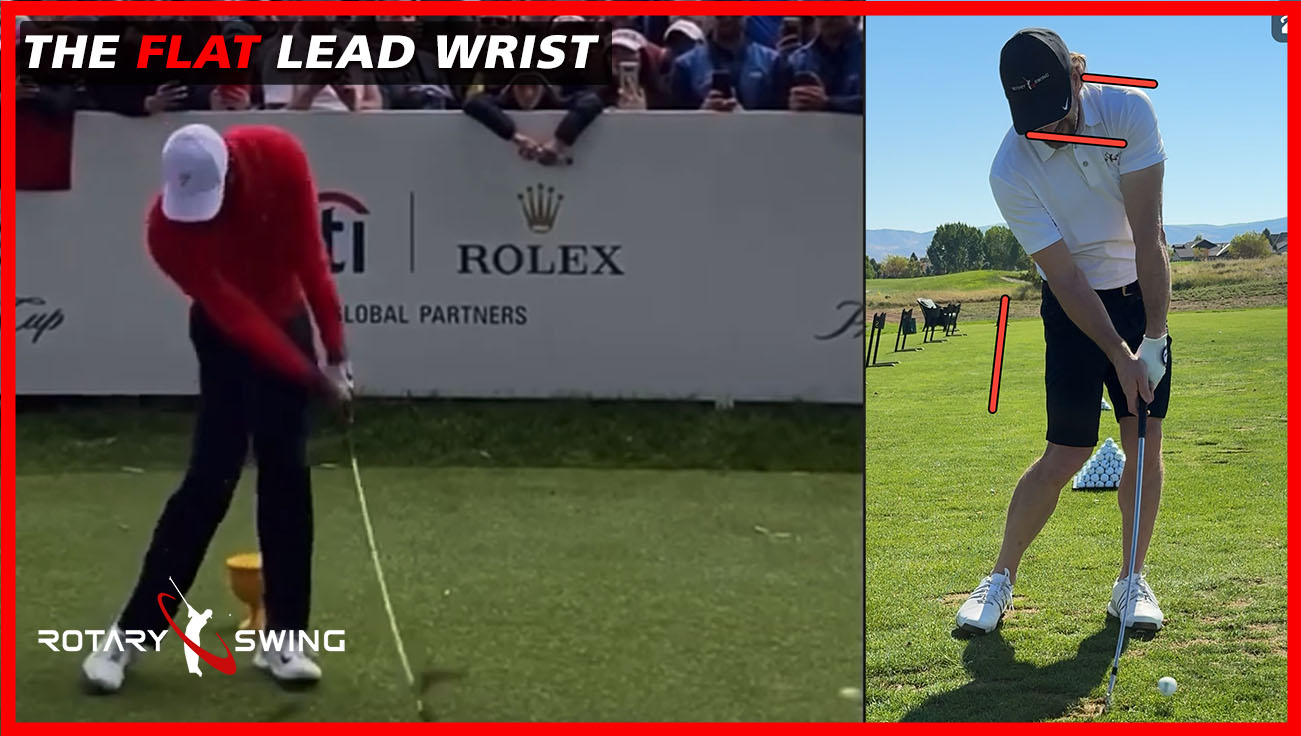
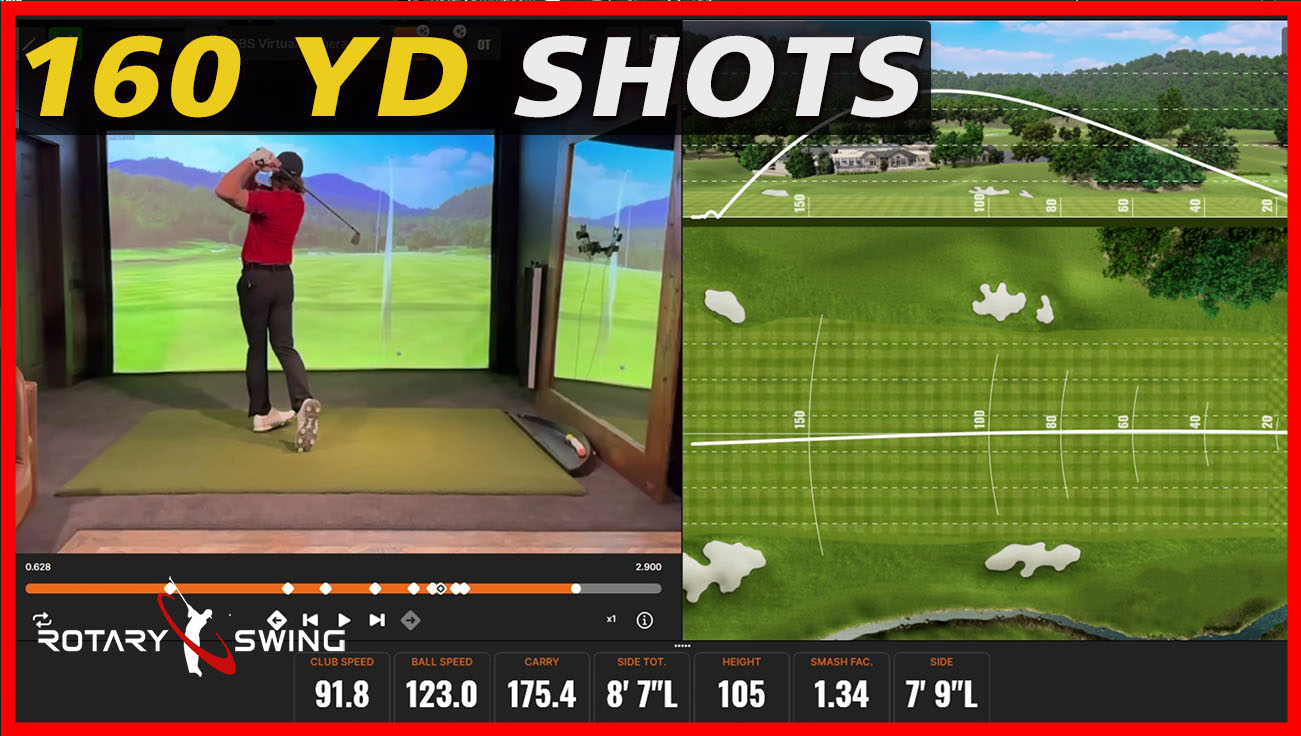
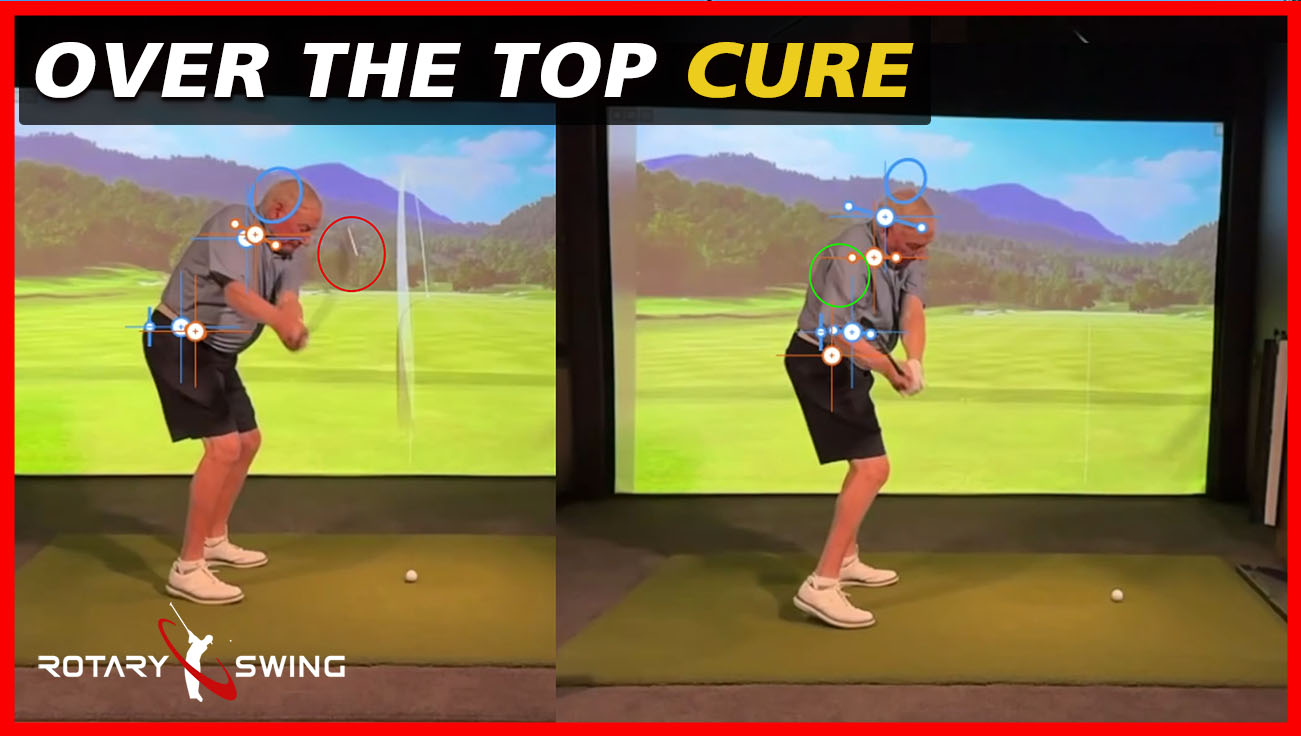
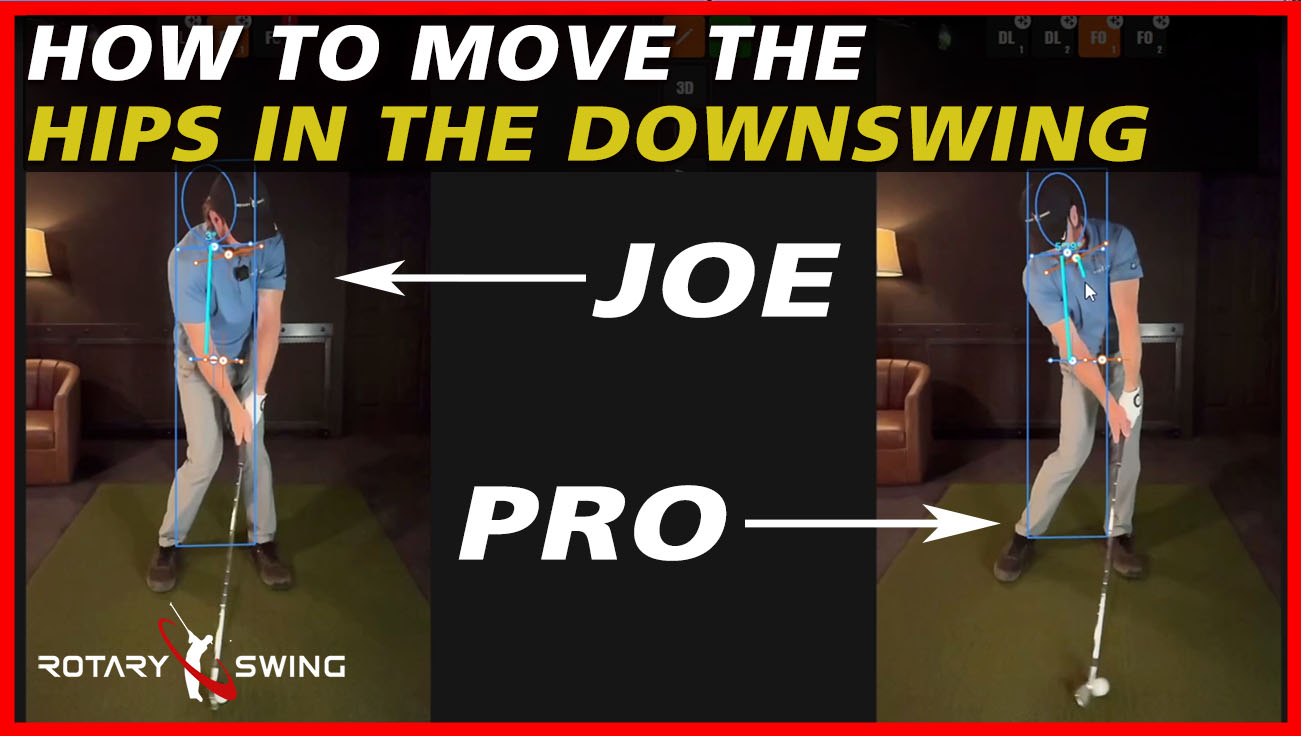
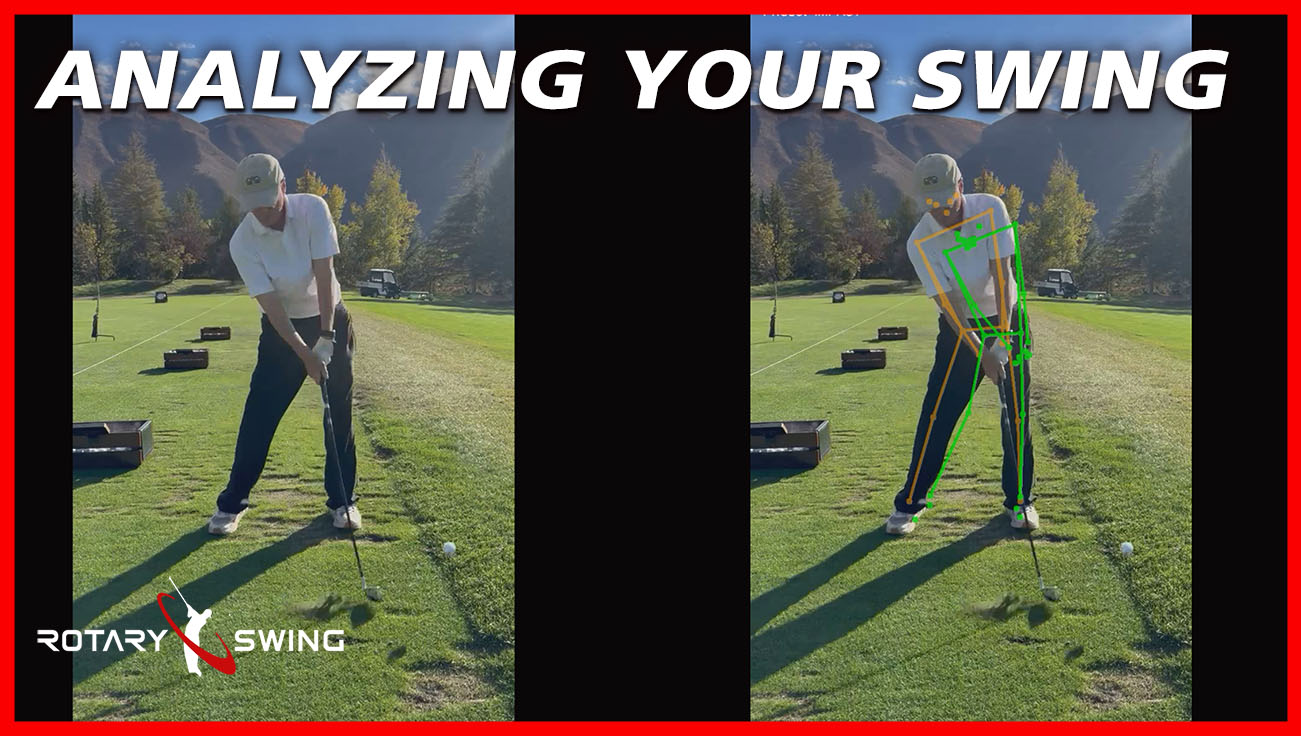



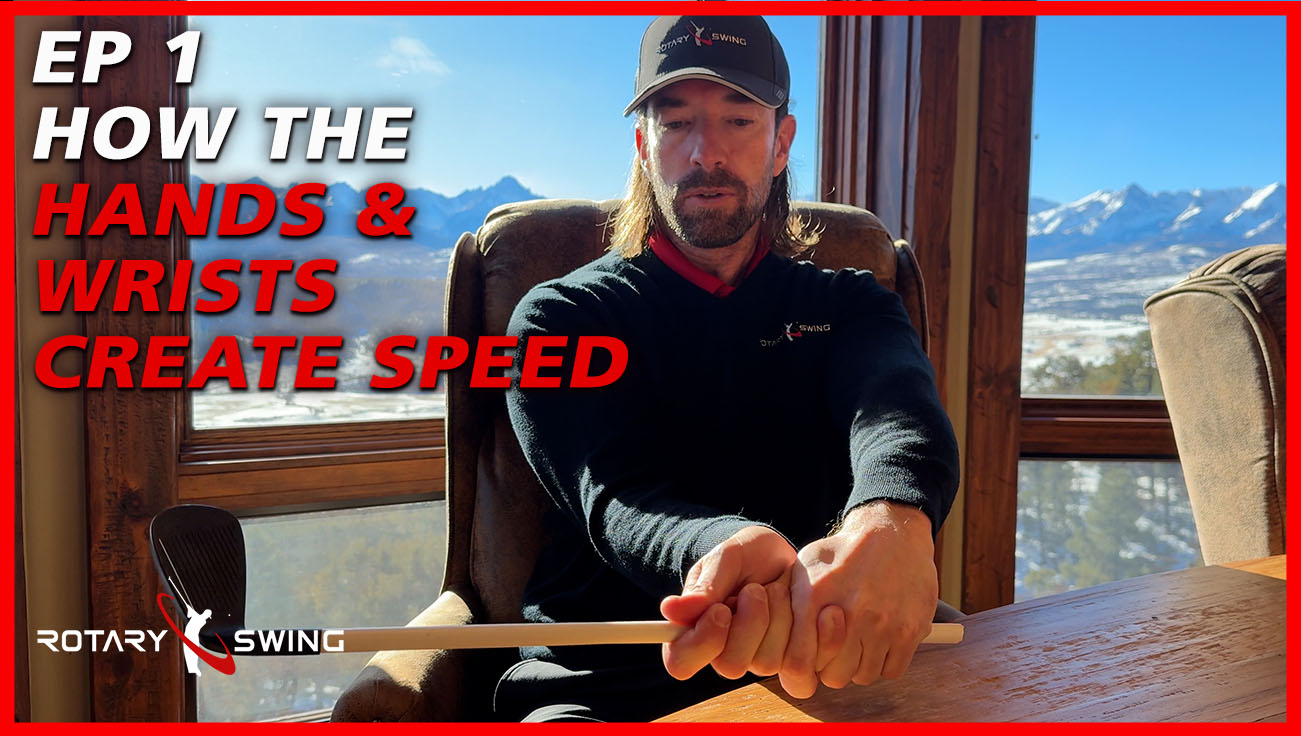








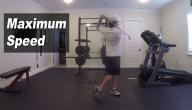
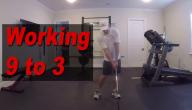
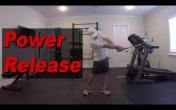
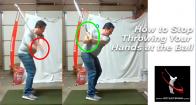

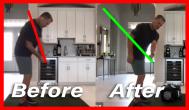














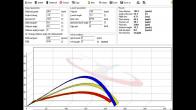
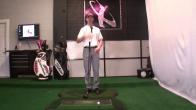

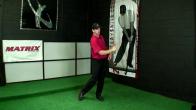
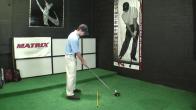


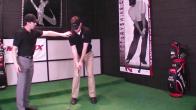


















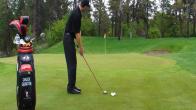

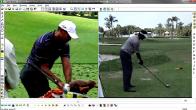
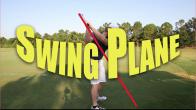
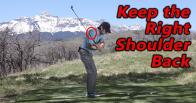


 You'll perfect your golf swing takeaway with the simple drills in this video.
 Learn how to move your body correctly to control the takeaway rather than having an armsy golf swing.