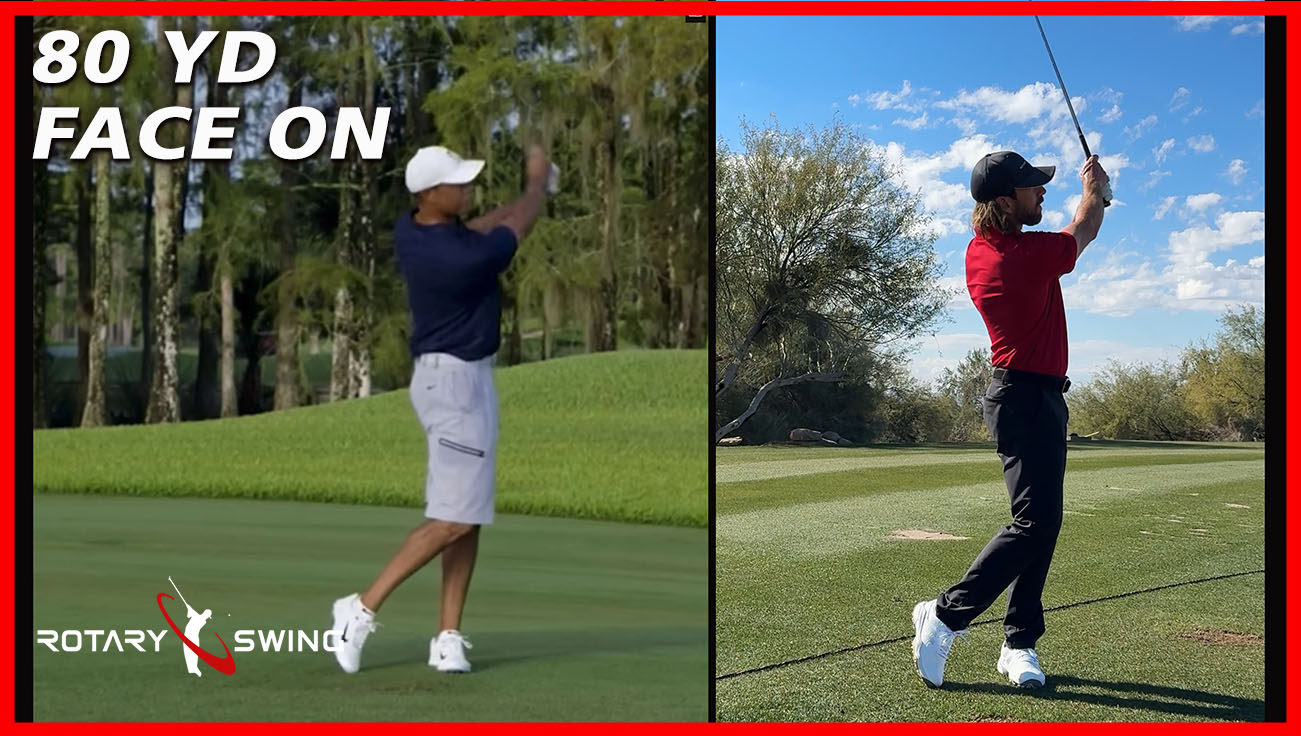
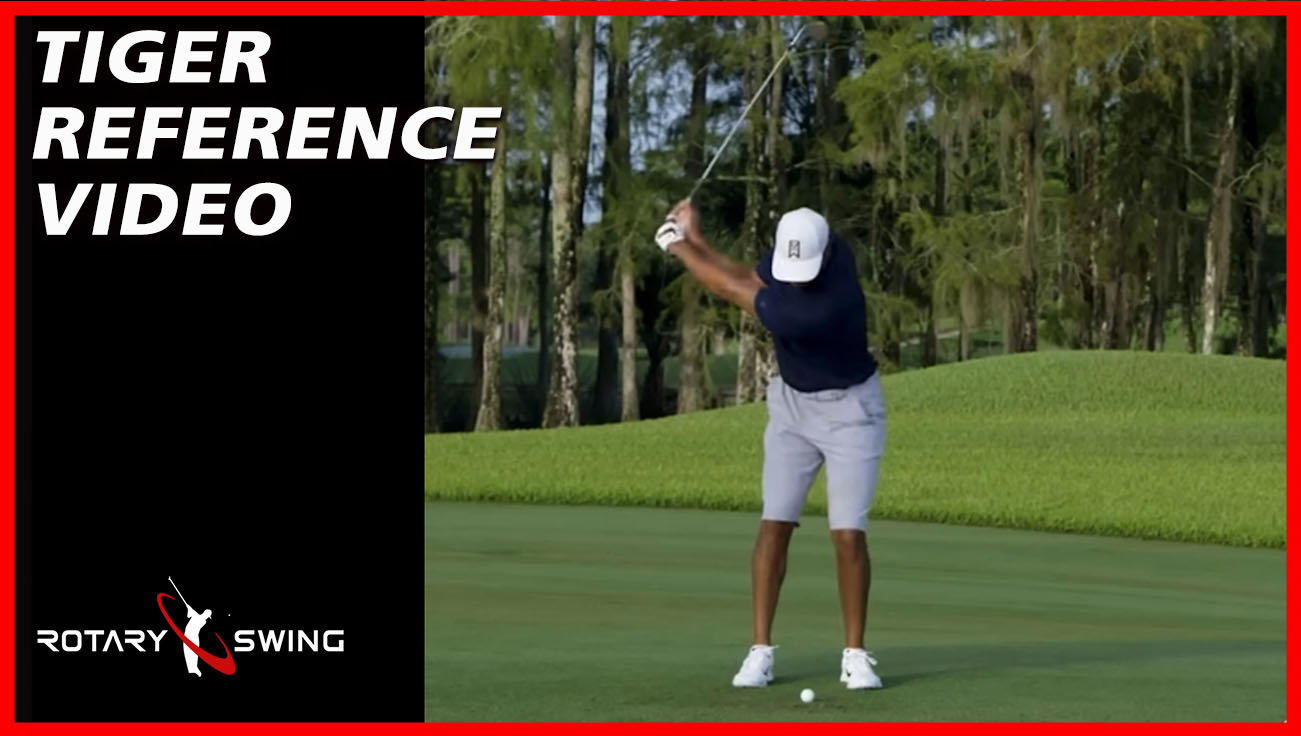
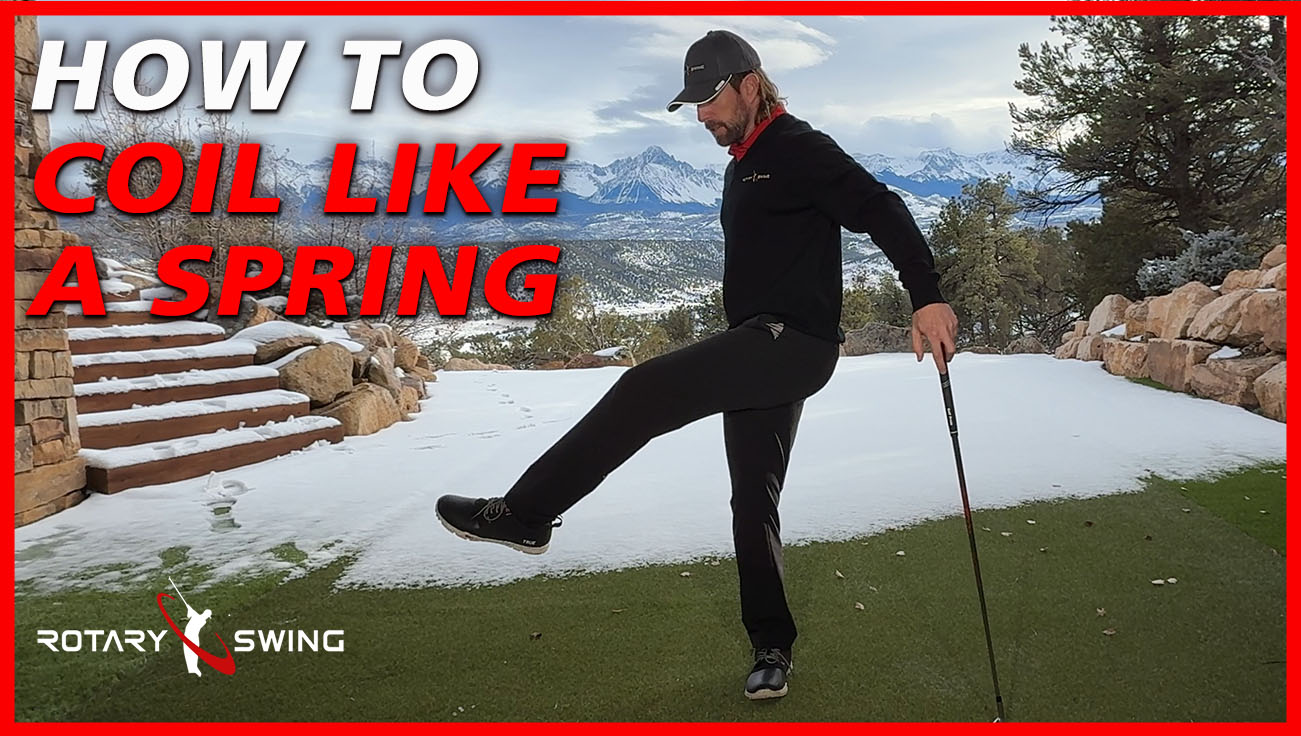
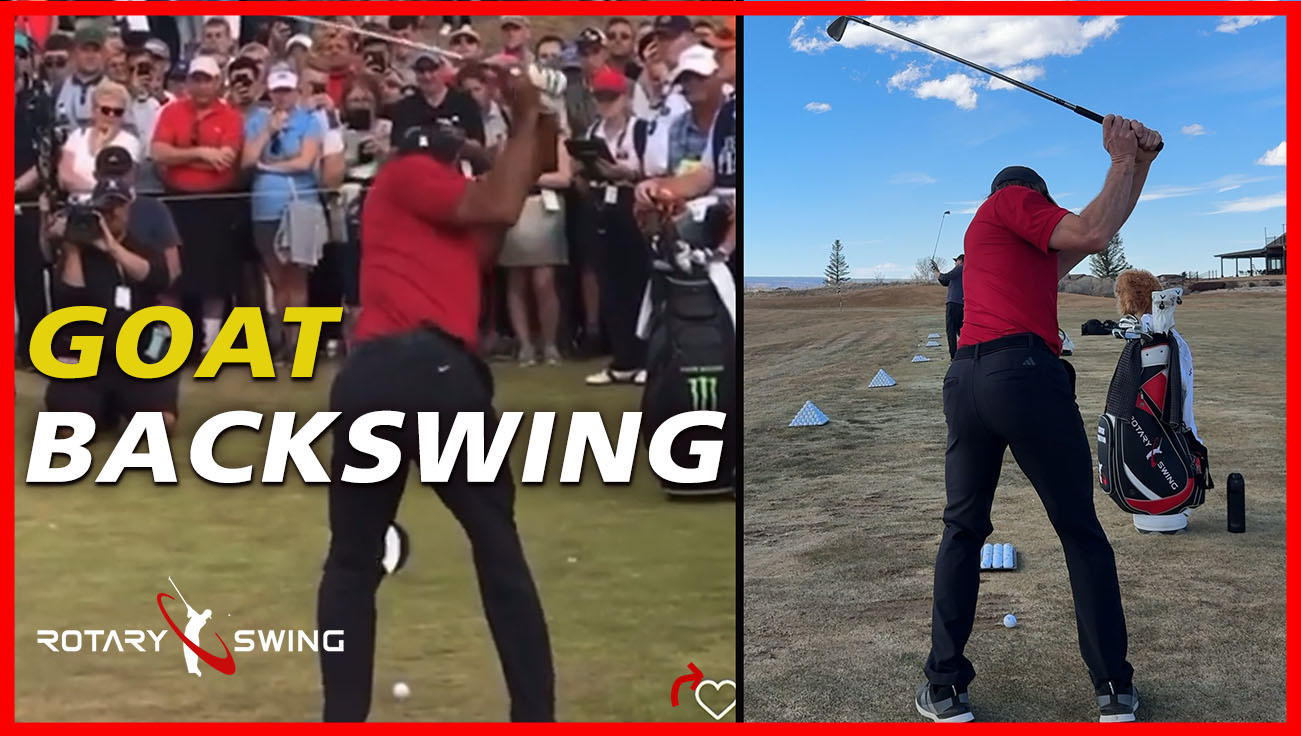
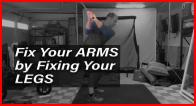
As you have learned from the Swing Fundamentals section, the body is the engine of the swing. Understanding how to properly use the body is 90% of learning the rotary swing. It is simple to learn and understand, but it is incredibly important.
To begin, stand straight up with legs spread a comfortable shoulder width apart, body poised and relaxed, with the arms across the chest. With your weight evenly distributed between both feet, rotate your body to the trail side while maintaining your spine angle.
Want to feel this in YOUR swing? Try a free AI-powered golf lesson → — GOATY gives you real-time voice coaching, pose tracking, and instant feedback on every rep.
Related: Golf swing weight transfer — the AI-coached approach →
Android users: Download GOATY on Google Play — free AI golf coaching on your Android phone. →
It is important that your spine not tilt away from the target more than a couple of degrees and that the base of your spine stay rather stationary. If the base of the spine slides away from the target, your weight will shift more onto your trail leg, which is not necessary.
Stop reading about it — feel it in your swing today
GOATY watches your swing live and coaches you between every rep. Free. No signup.
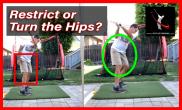
Start Your FREE Live Lesson →The turning of your body to the trail side will pull your hips back as well. It is perfectly acceptable for them to rotate around as the upper body pulls them — in fact, they must be allowed to turn. The hips will rotate around an imaginary fixed point at the base of your spine, with no lateral slide to the trail side. Golfers who train with the AI swing analyzer often get real-time feedback confirming this exact pattern.
It is acceptable if you cannot rotate your shoulders to 90 degrees without feeling a lot of tension in the torso or without making a large . During the actual swing, your muscles will more naturally stretch as the body becomes alive and athletic.
For now, simply rotate your shoulders a comfortable turn to the trail side while keeping your weight fairly evenly distributed and your spine angle constant.
From here, "bump" your core to the lead side to set your weight on your lead leg and simply unwind your body back through. Feel as if everything is rotating together, with no one part out-racing another.
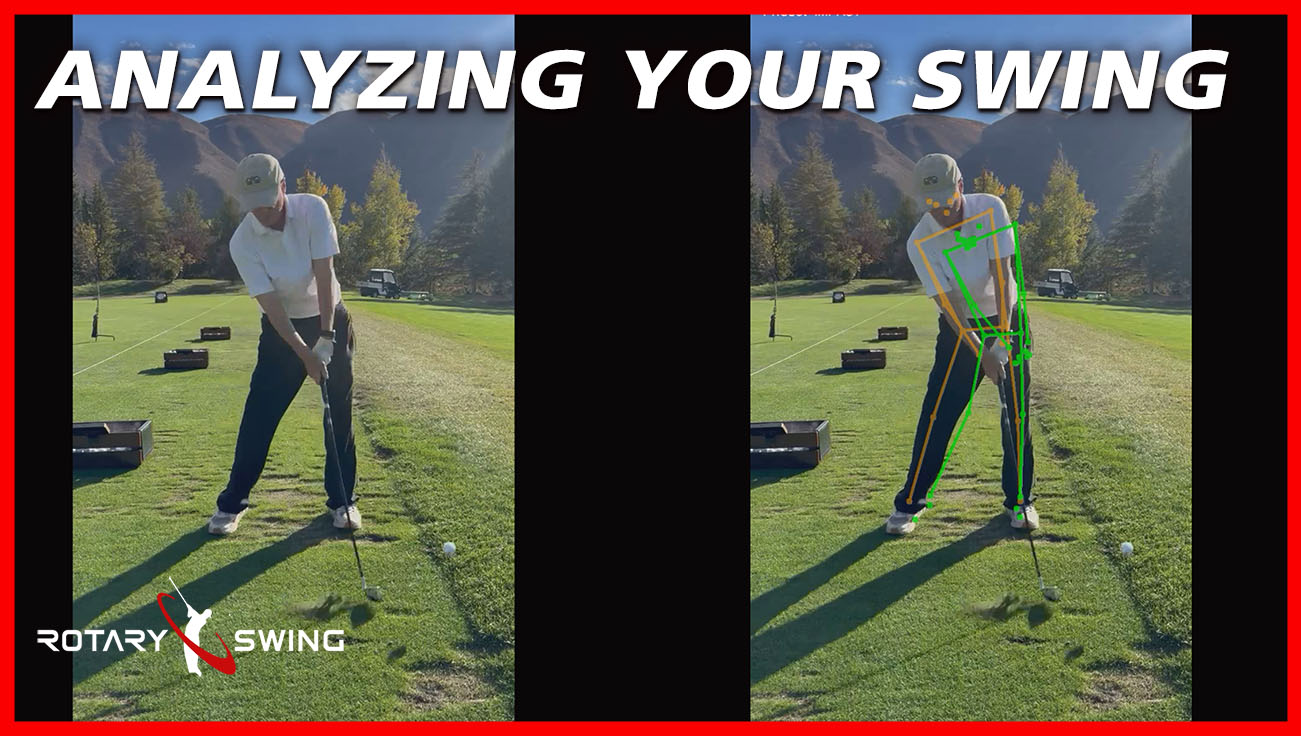
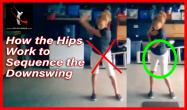
In actuality, the hips will lead the way, but you needn't think about this — it will be a natural response to the coiling of the upper body against the lower, as the hips will not turn as far during the backswing. Again, spine angle is critical. It should remain constant, with the base of the spine acting as an "anchor" for the rotation of the torso.
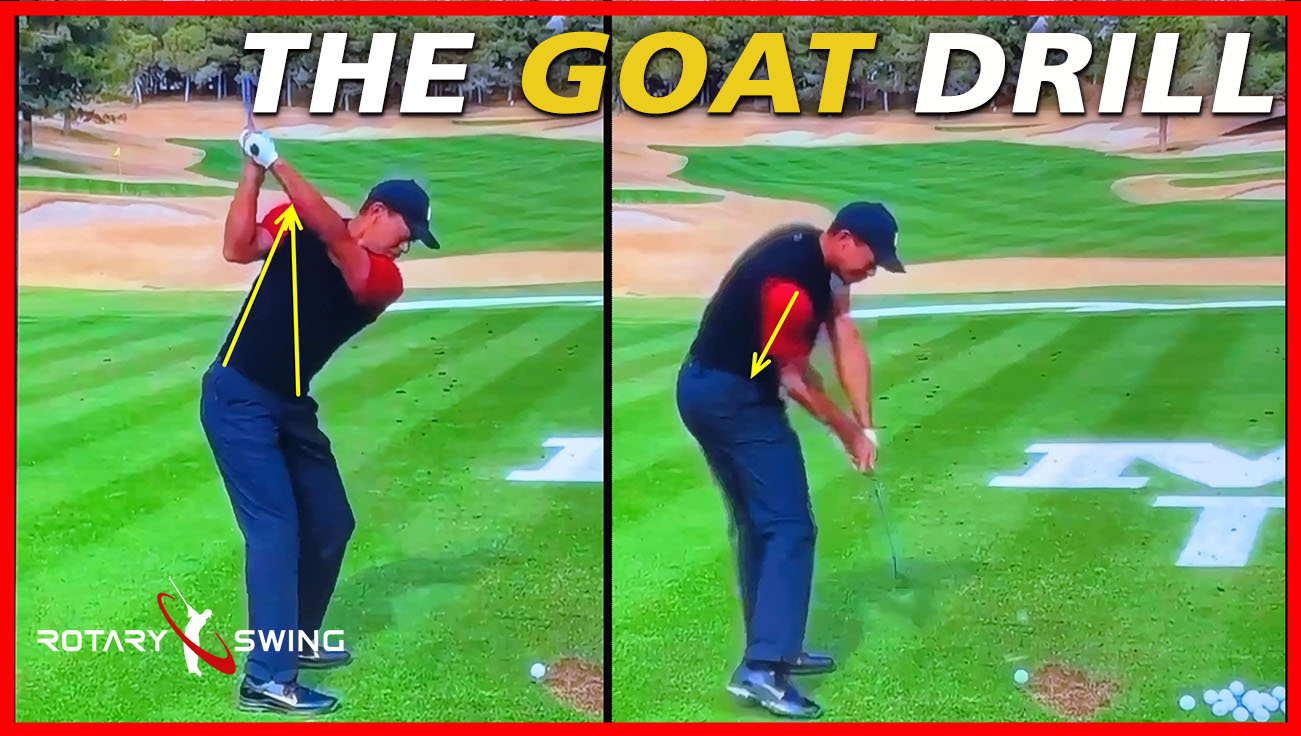
If the hips slide, the base of the spine will move toward the target, changing the angle of the spine and thus changing the shoulder plane, which is of utmost importance. The shoulders should rotate around the spine at a 90-degree angle throughout the swing. If the shoulder plane changes, the path the club takes to the ball changes and you will be forced to make compensations to strike the ball. The GOAT Drill system is specifically designed to eliminate these compensations by ingraining the correct body rotation pattern from the ground up.
Now that you have a feel for the rotary motion the body makes throughout the swing, you need do nothing more than tilt your spine from the hips and make the exact same motion back and through. The only thing that should change is the angle of the spine tilt toward the ball.
It should not be angled away from the target more than a couple of degrees, but should remain more vertical just as it was before. Make the same motions while the spine is tilted and you have mastered the body movement of the rotary swing.
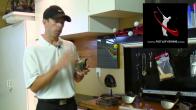
Video Transcription: Body Drill
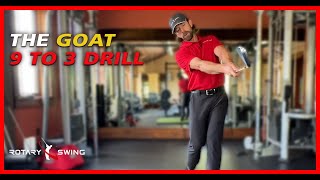
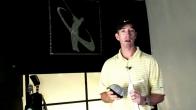
If I had to choose one single drill that was more important than any other drill that I've ever discussed or created to help you learn the Rotary Swing, it would be this one.
This is the one that I refer back to especially for winter golfers who can't get outside because it's cold or snowy. This is a drill that you can do inside, inside your office, wherever, and you can do it 24/7. It's super, super important to helping you develop a good golf swing, and it's so simple to do.
Because of that, I think it's often overlooked. It just seems kind of mundane and boring, and doesn't seem to really do a lot, but it absolutely is the most important drill because it helps you ingrain the proper body movement. We're going to discuss it today.

The Body Drill: Address position, Turn back, Weight shift, Rotate through
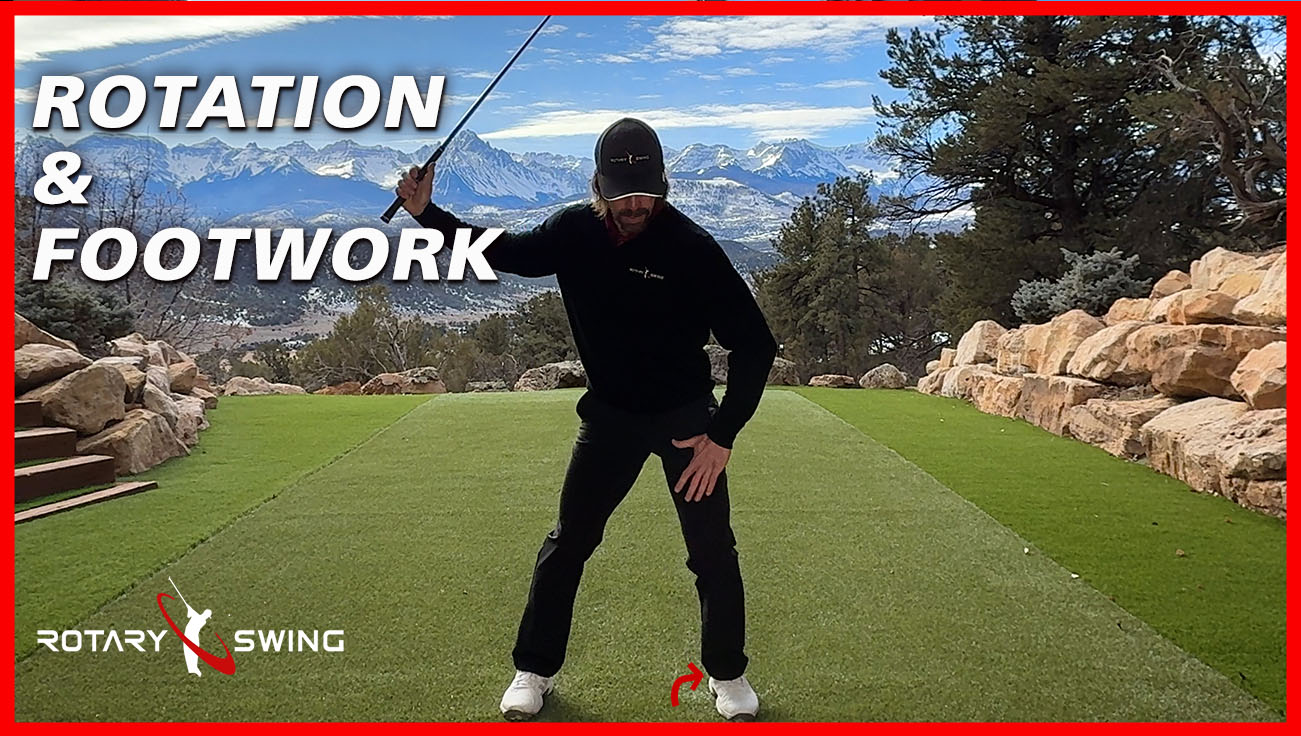
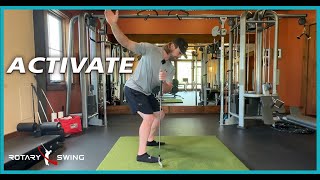
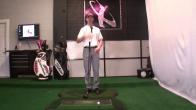
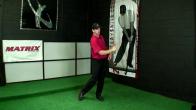
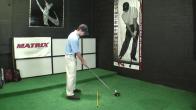
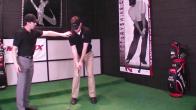
The Body Drill works like this. You take your normal address posture, with your weight pretty centered. If anything, favor the lead side a little bit. Put your arms across your shoulders as you take your posture.
What you're wanting to feel is that, as you rotate back, your head stays centered. Make a good, full . If anything, like I said, you can keep the weight on the lead side or increase it.
It's acceptable for a little bit of weight to move to the inside of the trail foot, but if you're the kind of golfer who lets it move back, you've got to make sure that you bring that weight back forward on the way down to get that weight to the lead side — because that's critical.

Incorrect: Throwing the shoulders
If anything, I ask the average golfer to favor that lead side going back. Keep that weight on the lead side, make as full a shoulder turn as you can. You don't have to make a full shoulder turn when doing the drill, because when your swing gets dynamic and gets momentum, then you're going to make a full shoulder turn.
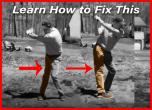
Just feel a little shoulder turn here; lead shoulder centered back behind the ball. Then this is the key: This is where everything happens correctly or incorrectly for the average golfer. What a lot of golfers want to do is just get here and then throw their shoulders. You can see I'm in a really weak and awkward position here.
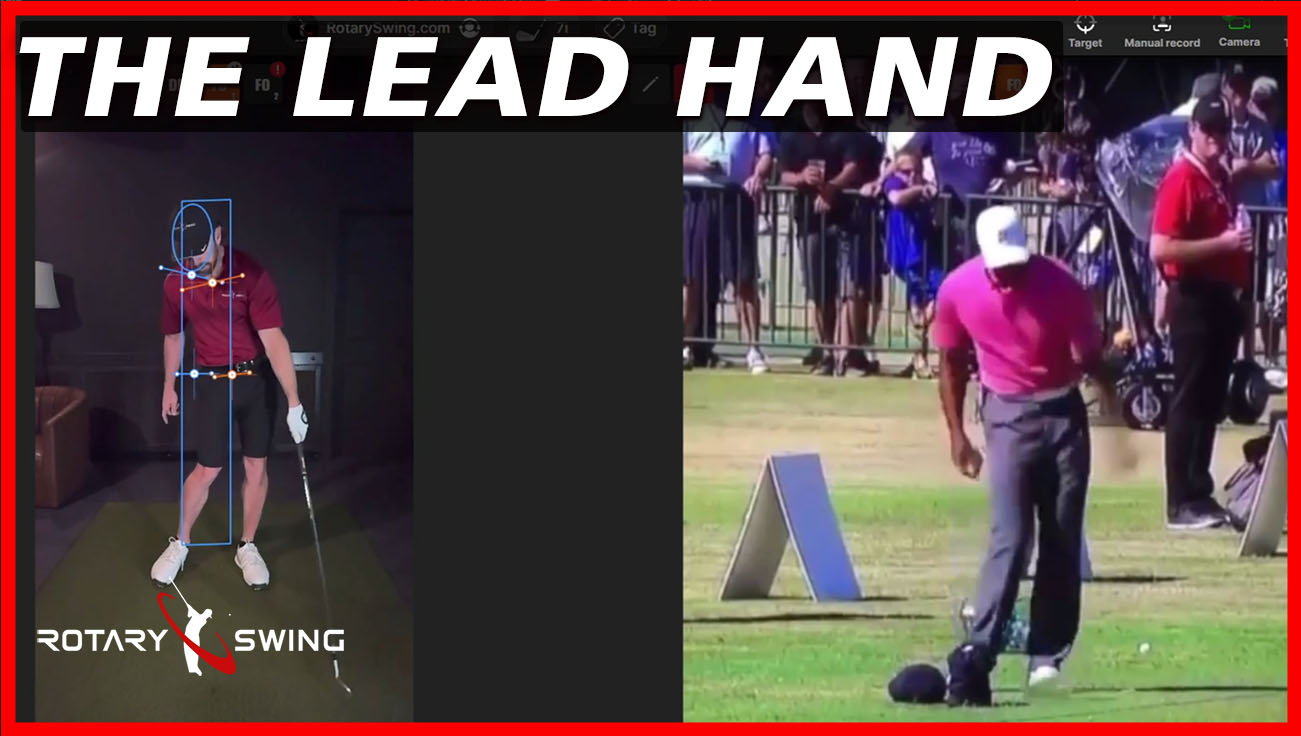
I never got my weight fully set onto my lead side, and that's critical. As I get to the lead side, the first move is letting everything start to settle onto that lead foot. You'll notice that my whole body is leaning a little bit. I'm primarily doing this with my core — it's a little bump with my belly and my belly button, getting it back over my lead foot.
Then I can rotate. That's the key.
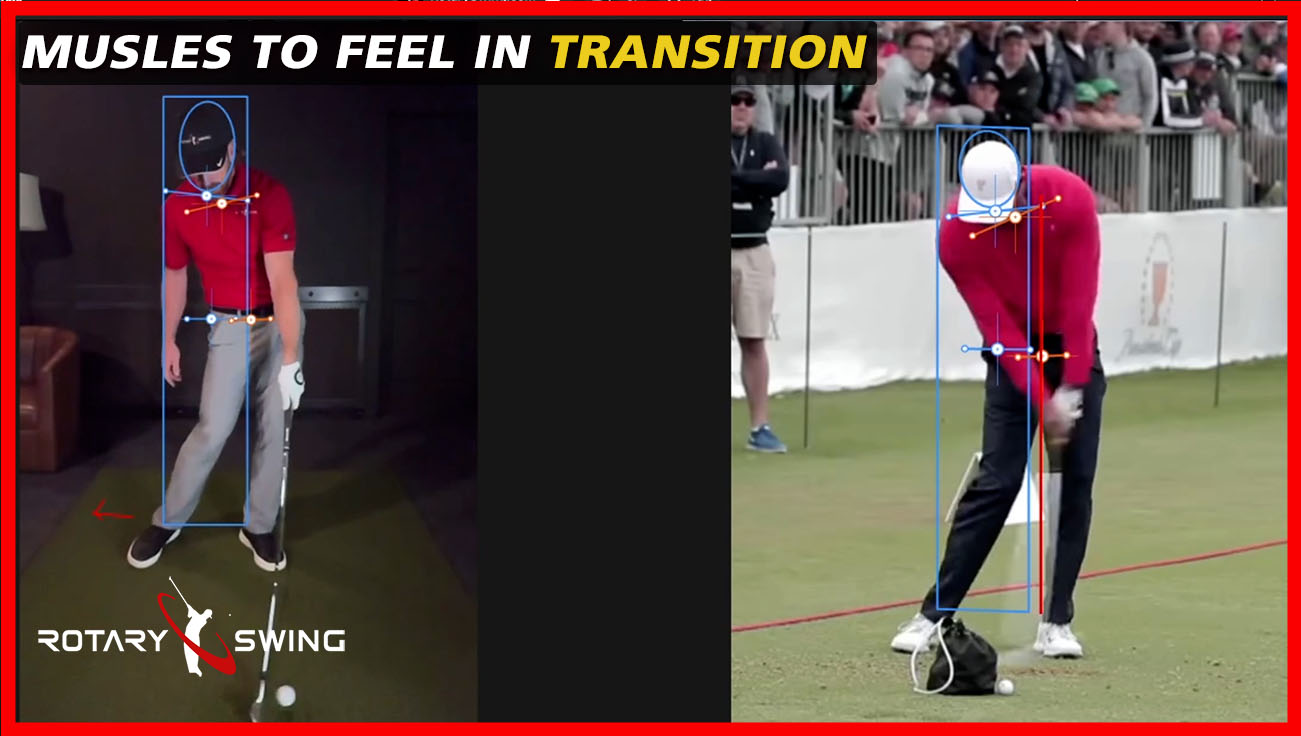
As long as I get a good little turn going back, set my weight onto my lead foot so I feel increased pressure — I feel like I'm trying to push the ground, making an indentation in the ground under my lead foot — there's a little bit of flex in my knees to get there, and then I rotate through to a full finish.
What you want to be careful of when you're doing this drill is: a lot of golfers will take everything together and their head will be way out in front of the ball. Of course, we never want the head out in front of the ball unless we're hitting wedges, chip shots, or something like that.

Incorrect: Turning everything together
As I go back, it's a little bit of movement, but then my head stays back and my body clears out of the way. It's not "Set my weight onto my lead foot and then just keep moving my head forward."
The whole motion is back, staying centered, set weight onto the lead foot, keep the head back and rotate the body through to a full finish with the chest facing the target.
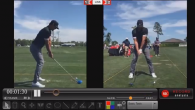
This drill is super, super important. You can't do it enough. I don't know if you can see this on camera, but I've actually made an indentation in the ground by making certain that I'm getting my weight set on my lead foot. You cannot rotate when your weight's on your trail foot — you're going to spin out and hit across the ball. If you want to check whether your weight transfer and body rotation are tracking correctly, use the AI swing analyzer to see your movement patterns scored in real time.
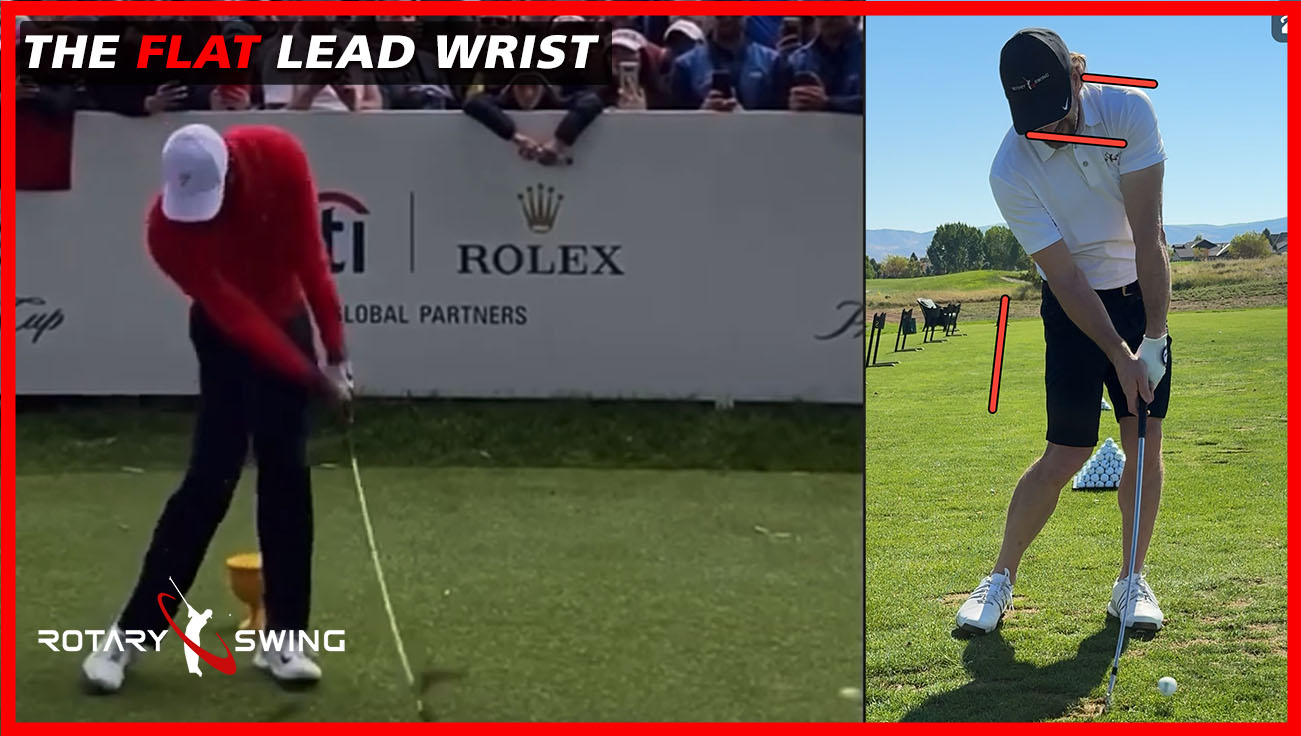
From down the line, the same drill: Get a little posture, get a little tilt, turn back staying centered, set weight on the lead foot. You'll notice that the trail knee will kind of bend forward a little bit and the glutes will kind of move back behind you a little bit. That's a powerful position — setting weight onto the lead foot and then rotating so that the shoulders are rotating perpendicular to the spine.
A lot of golfers either go back with their head moving up — that is a definite no-no — and then try to throw it back down on the way through.

From down the line: Address position, Turn back, Weight shift, Rotate through
The head and the shoulders have got to rotate very quietly going back, perpendicular to the spine. Keep that angle, set your weight onto your lead foot, and then rotate your trail shoulder down and through.
A good visual: once you get your weight set on your lead foot, take your trail shoulder and rotate it over your lead big toe. You're feeling like you're driving down, using the trail side of the body to deliver power once you're stacked over that lead foot — then rotating through to a full finish position. Pairing this body drill with a structured rep-based system like the GOAT Drill system accelerates how quickly these motor patterns become automatic.
At speed it's here...
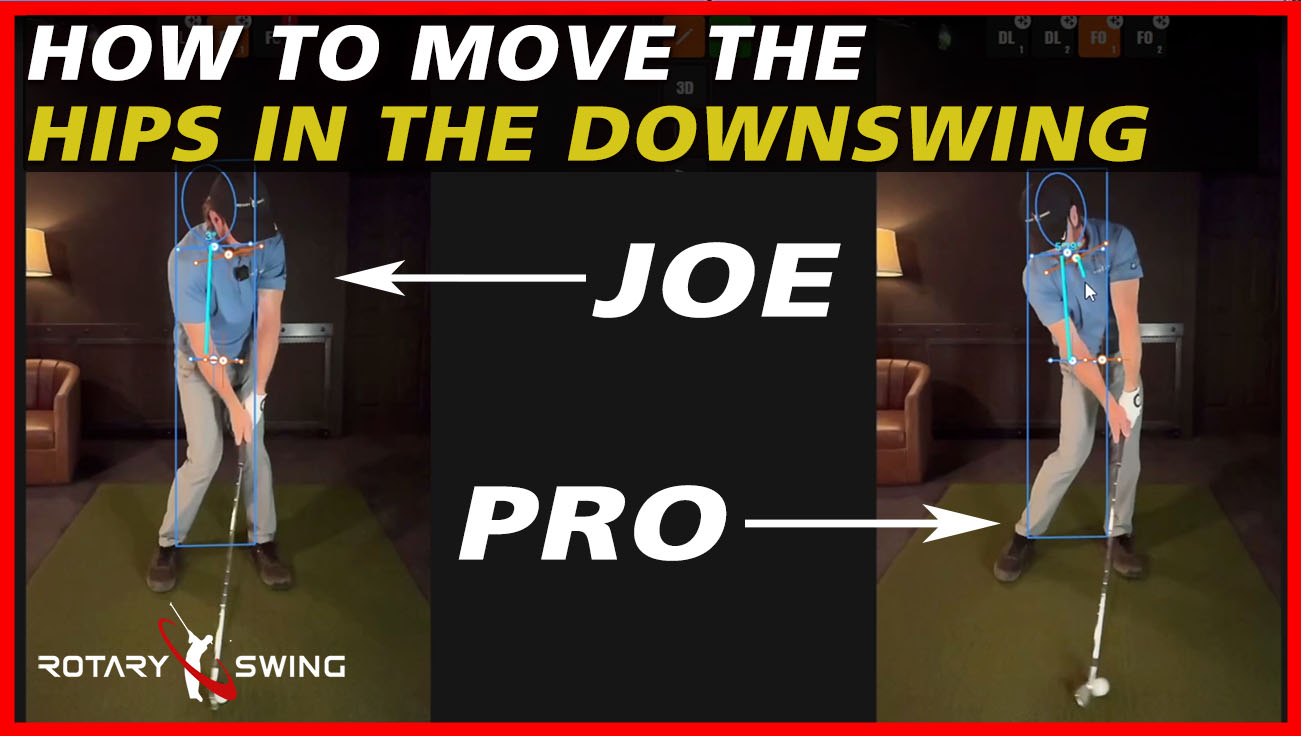
Watch part 2 now to see how you're moving your body in the opposite direction of the pros!