


































































I saw such an improvement in my golf swing by being a free member that I wanted the full benefits of a premium membership. I'm a notorious range rat who has learned more with my premium membership than I have from thousands of dollars of lessons and training aids over the past 20 years.
Excellent, thorough, detailed and comprehensive free information had me wanting more and the price/value was excellent.
The swing instruction offered by the free version made it apparent that this is the right way to perfect the golf swing (or get as close as possible). Just a few videos on how to start the backswing and initiate the downswing made a huge difference in my consistency.
After watching the free videos, I quickly realized the golf action Chuck is teaching is based on common sense fundamentals that most tour professionals use today. I also realized Chuck had a talent for explaining the golf swing in a way that makes sense.
| By Chuck Quinton, Master RST Instructor |
full bio
|
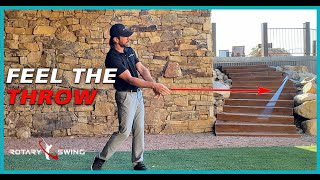
While most golf instruction is based on how the arms maneuver the golf club into position, the Rotary Swing simply wants the arms to follow the lead of the rotating body.
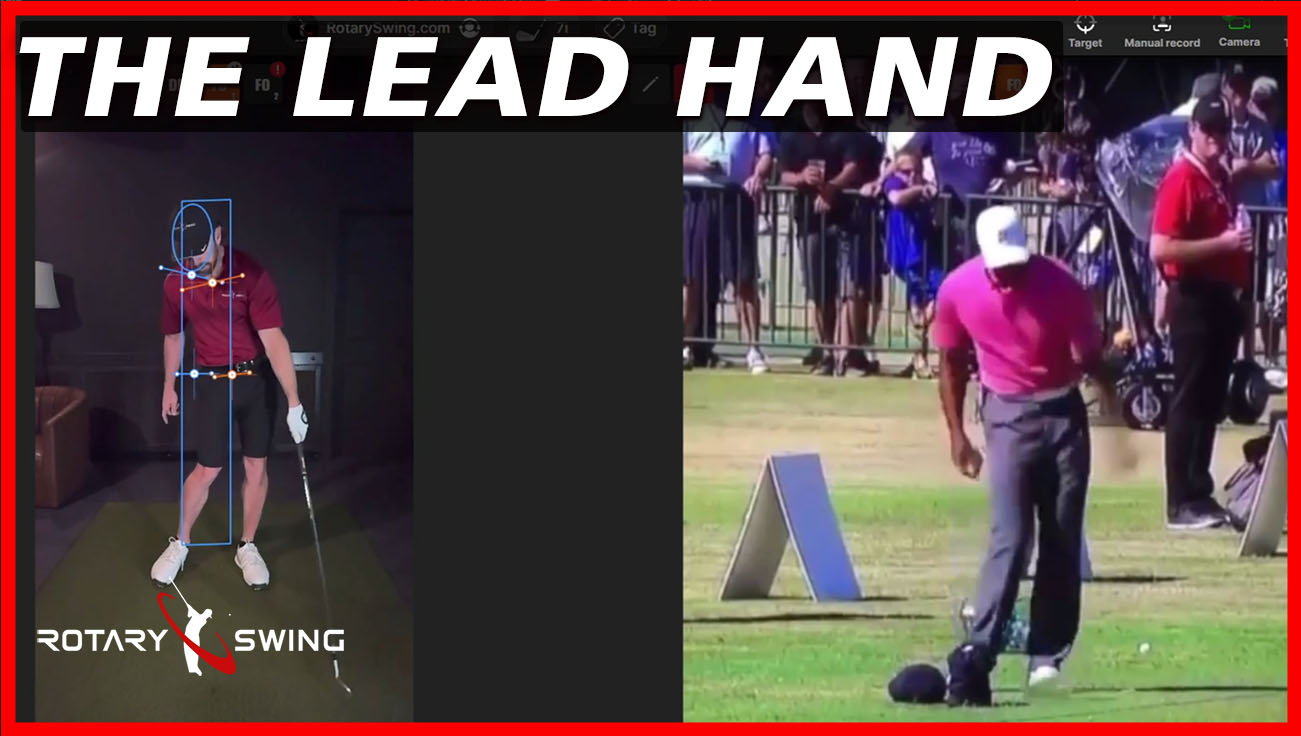
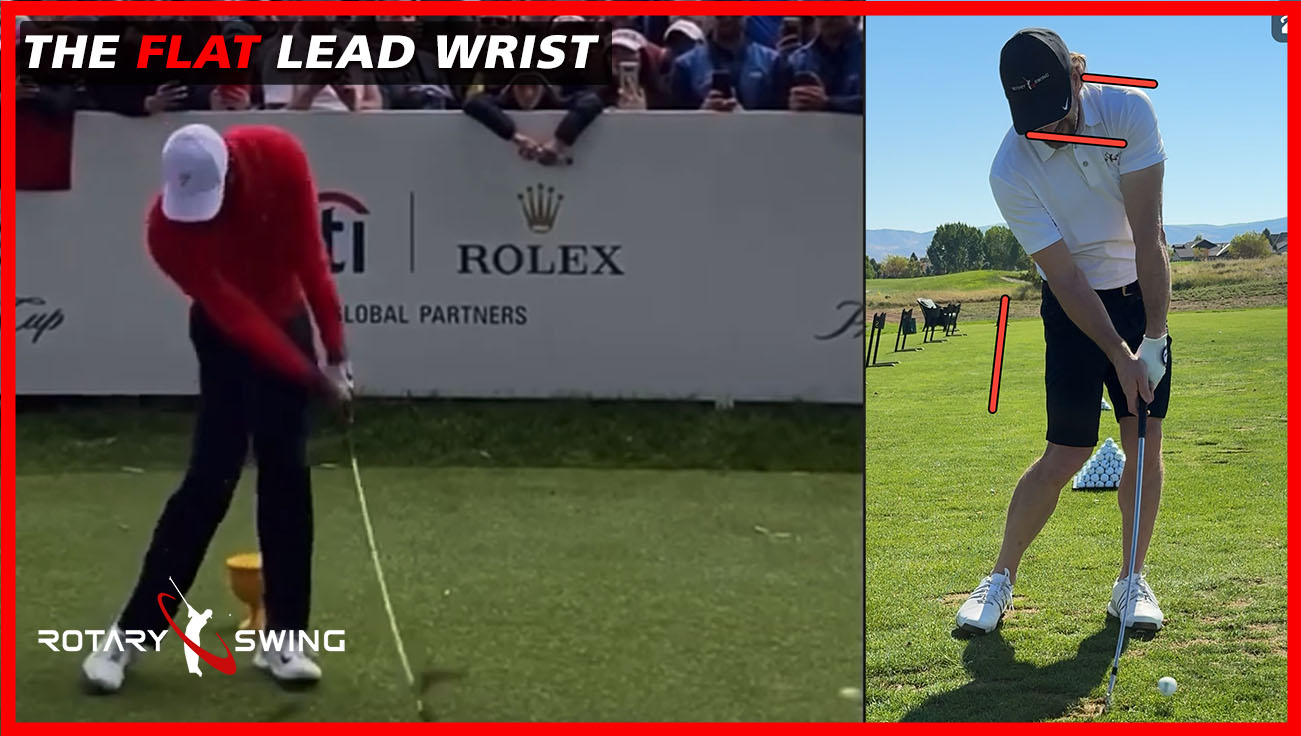
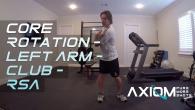
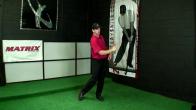
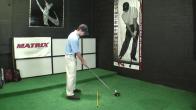
To understand how the arms work in the golf swing, extend your left arm in front of your body at 90 degrees to your spine while holding a golf club pointing at belt buckle. Make sure that your left arm is slightly “in to” your body, by that I mean that the upper part of your left bicep is connected to your left pectoral muscle.
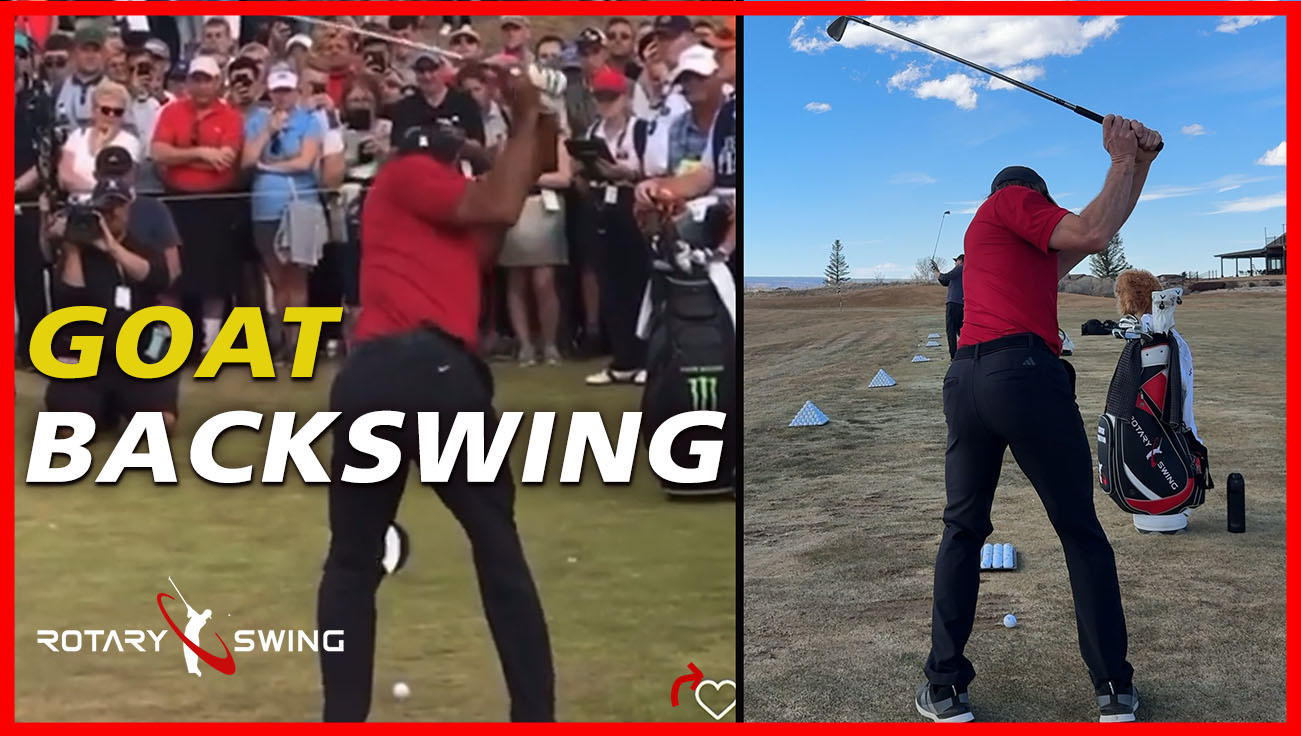
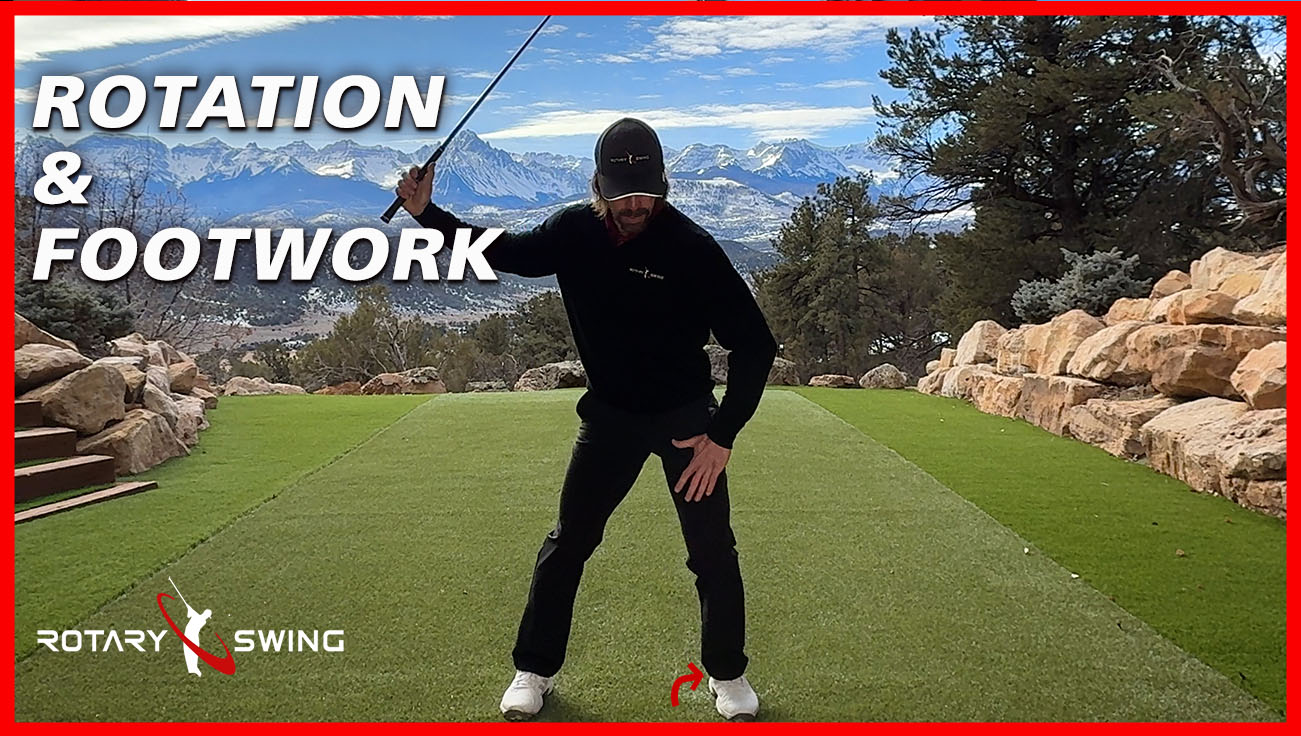
Now, keeping this angle fixed, do nothing more than rotate your body away from the target as discussed in the Core Body Movement section. You’ll notice that once you make a full 90 degree, or slightly larger turn, that the club has not “set” behind you, but is pointing straight behind you.
Now, go back to the starting position and, this time, let your left forearm rotate slightly as you rotate away from the target. You’ll notice that once the back of your left hand is parallel to the ground, the club will easily “set” behind you as the momentum naturally cocks your left wrist.
Do this a couple times to get the feeling of how your body moves the club back during the backswing and the left forearm is allowed to rotate to set the club into the proper "on plane" postion. From this “set” position, take your right hand and place it on the golf club.
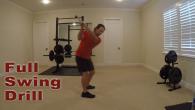
Note how your right arm is naturally in a somewhat folded position at this point, simply helping the left arm support the club. Go back to the starting position and swing back again, this time with both hands on the club. Allow your right arm to fold behind you just as it did when you placed it on the club earlier. Replicate the same position when swinging back with both hands on the club.
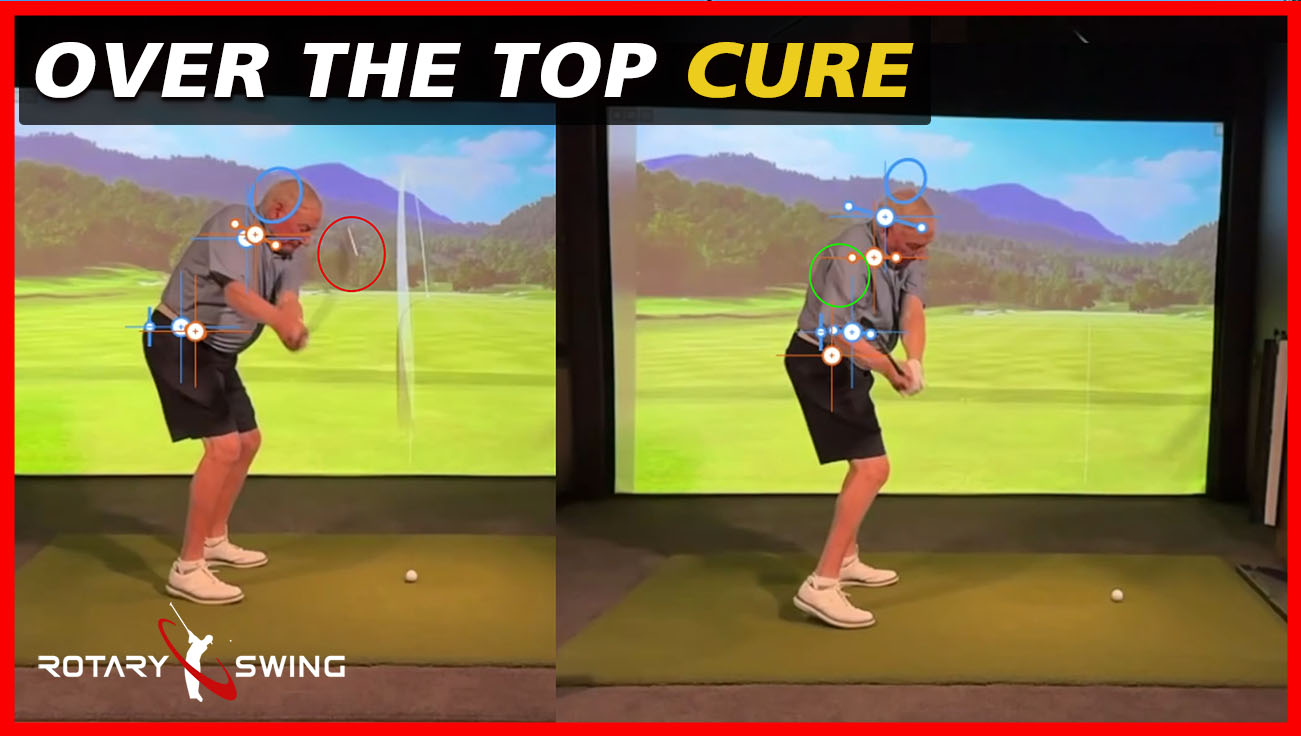
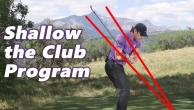
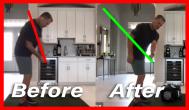
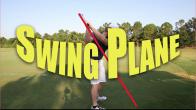
If you can see yourself from down the line in a mirror, you will note that your left arm, your shoulders and the club are all perfectly on the same plane. That’s it! In one simple movement, you have just mastered the entire backswing! Now for the downswing.
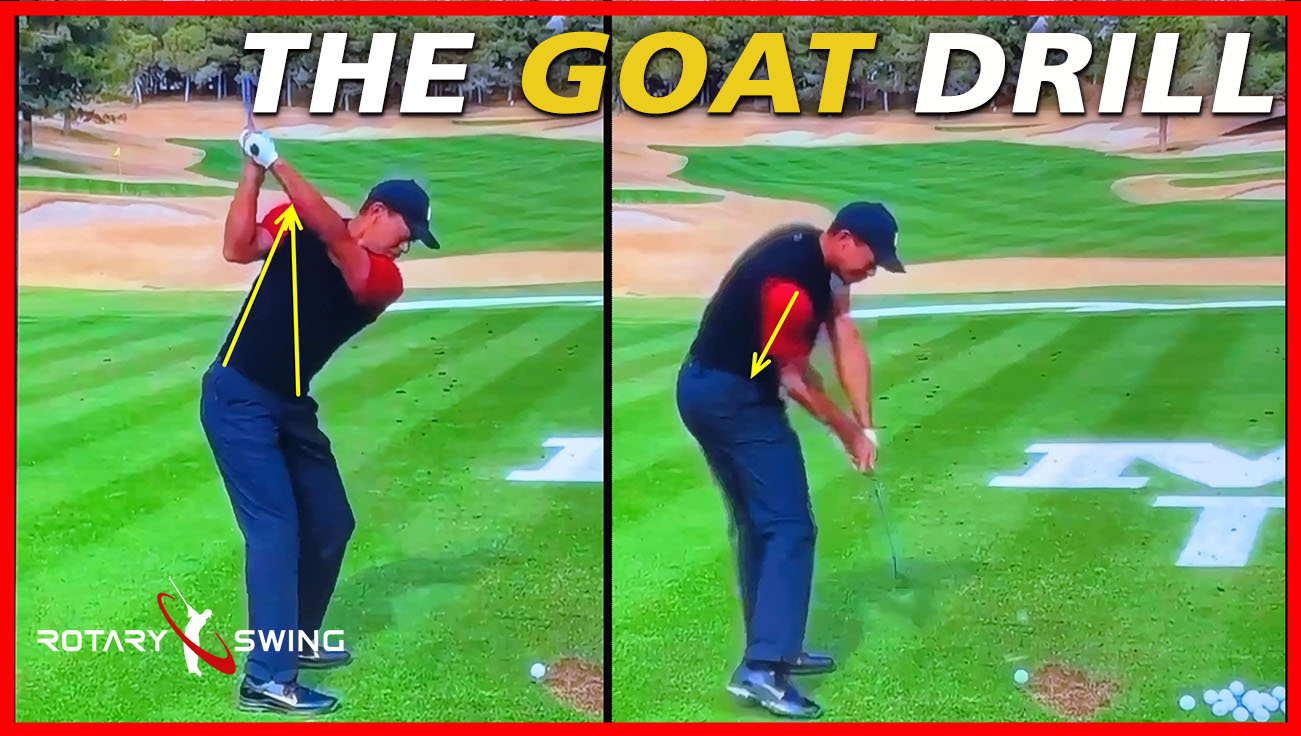
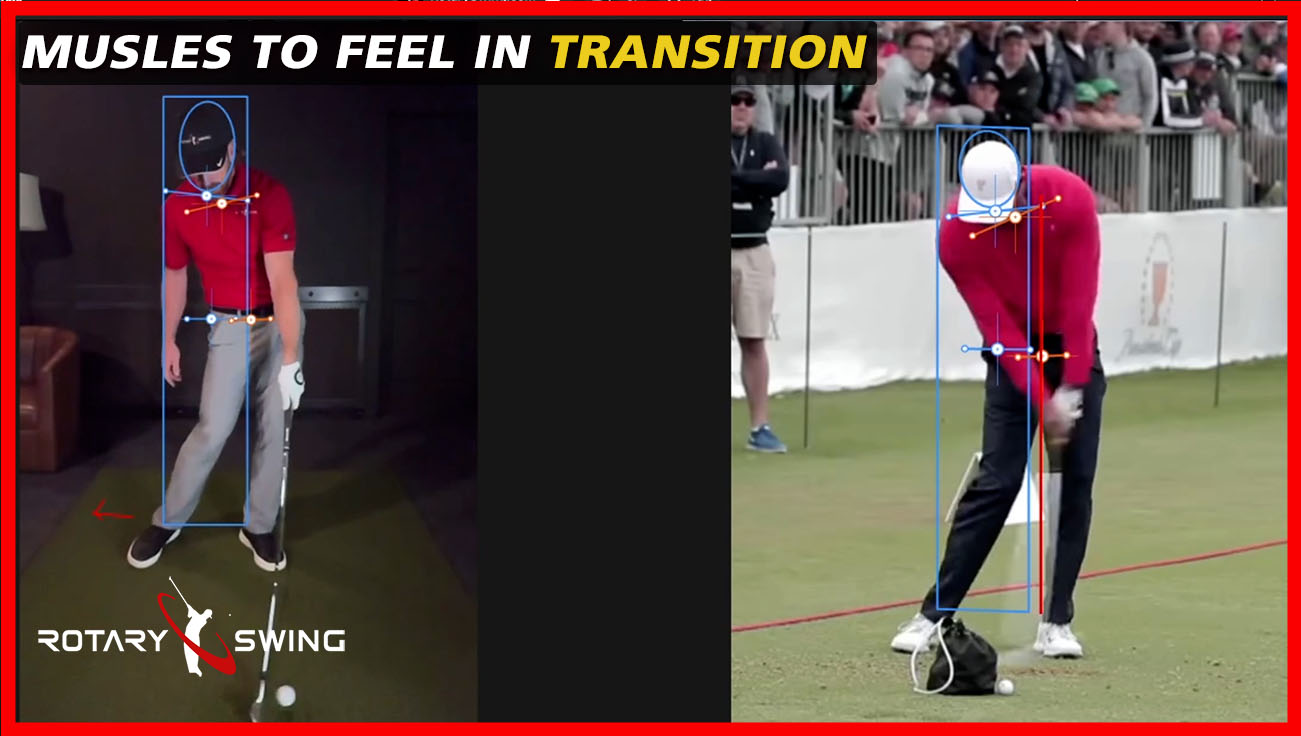
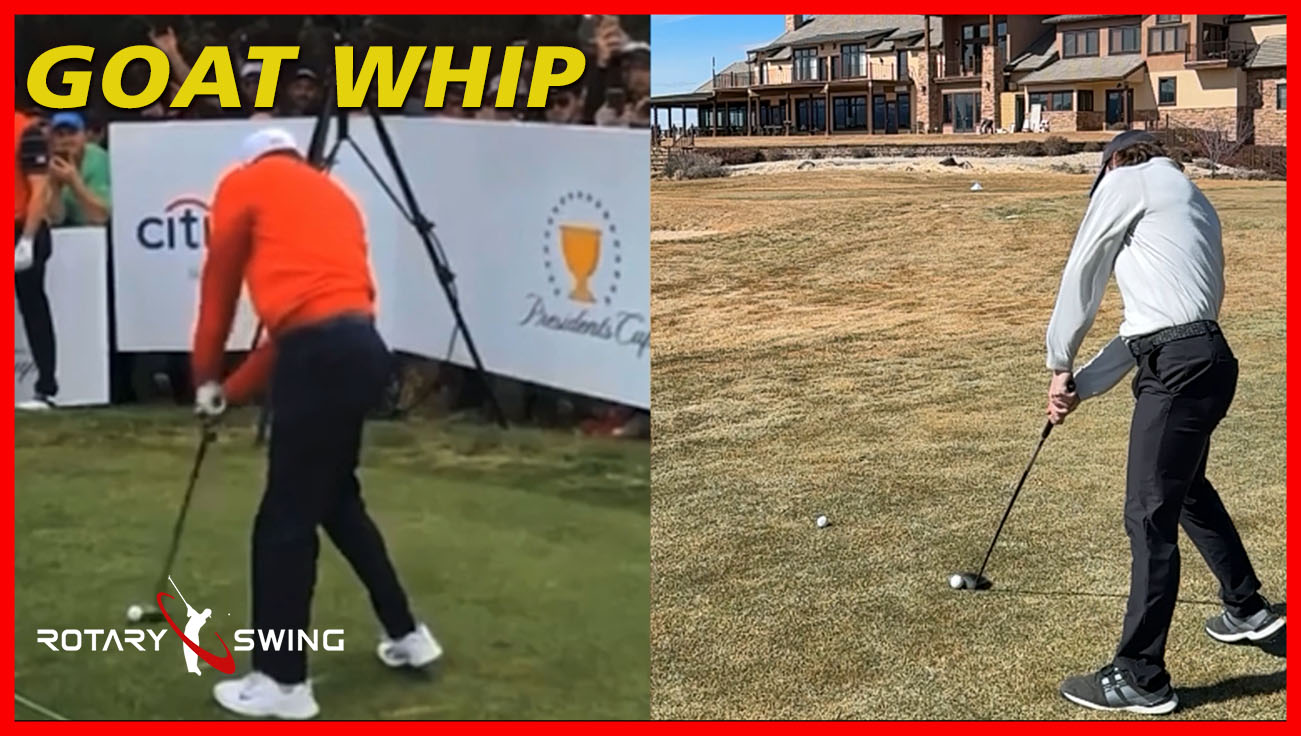
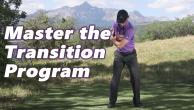
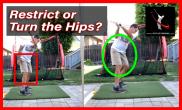
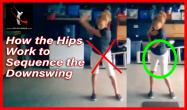
If you thought the backswing was easy, wait until you try the downswing. From this on plane “top of the swing” position, rotate your whole body back to the left while keeping your arms passive. In order to do this properly, you must have your weight solidly on your lead leg.
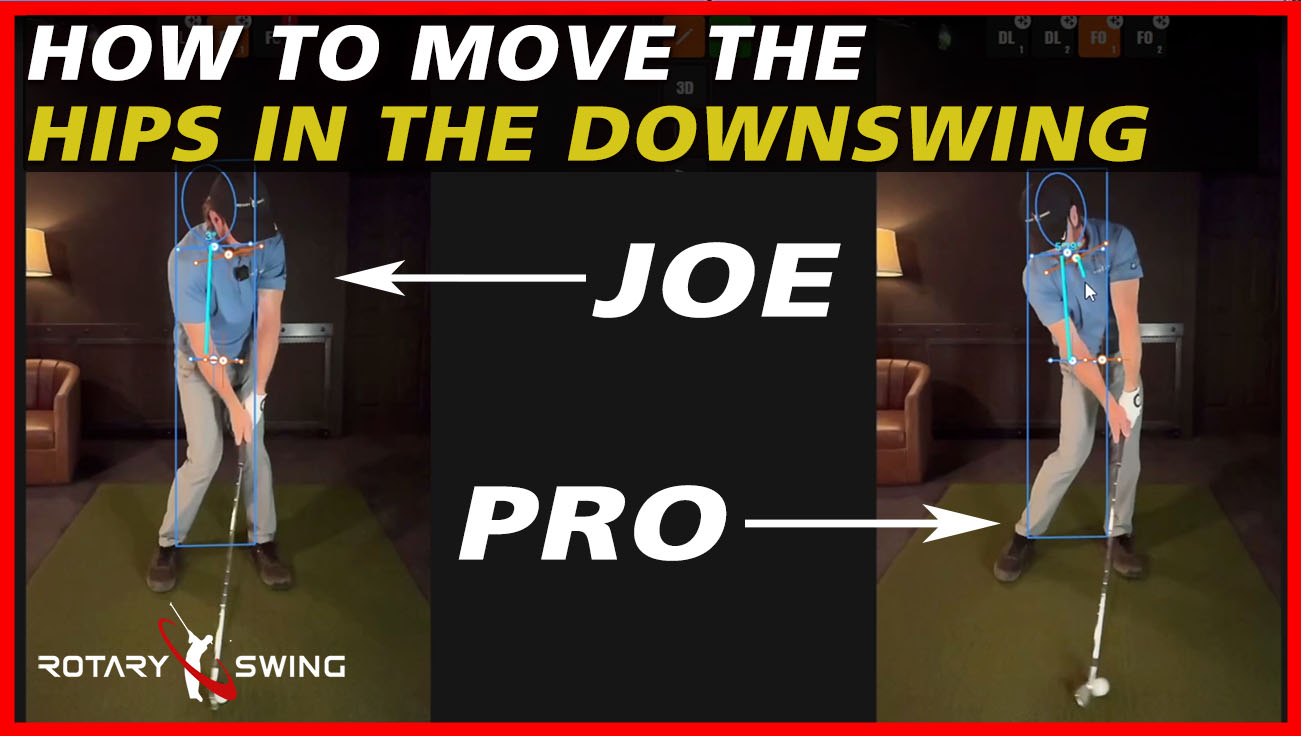
As long as you didn’t make a shift away from the target during the backswing, half, or close to half your weight will already be on your lead leg, so getting the rest of your weight to the front leg will happen naturally during the transition as long as you rotate your body and do not slide your hips.
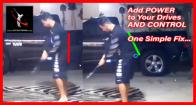
Once you are rotating, the only thing you need to do is keep rotating. The rotation of the body never stops during the one plane swing until the swing is completely finished. This rotation is where the power of the golf swing comes from.
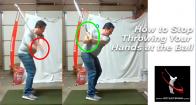
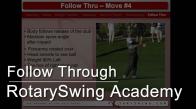
By keeping the arms passive and rotating the body aggressively back toward the target, the arms are able to store a tremendous amount of energy late into the swing. It is critical that the left arm stay connected to the chest well into the follow through to allow the body to control the arms, and thus, the club rather than relying on the small and weaker muscles of the arms and hands to control the club.
At impact, a driver effectively ways 100 pounds due to centrifugal force. Imagine trying to control an object that weighs 100 pounds with your hands and arms in a game where precision is measured in millimeters!
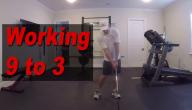
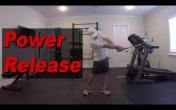
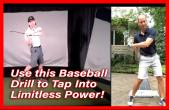
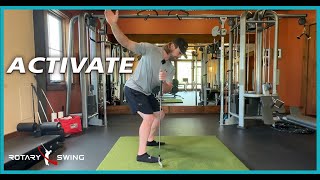
I have developed several drills to aid you in developing the feel of the swing, but the most effective for understanding how the arms stay passive is the broom drill. Once you have mastered this drill, you are ready to introduce the final piece to your swing, the Spinal Tilt.