Many golfers learning the one plane swing tend to neglect the rhythm aspect necessary in any golf swing. Ask any PGA Tour professional what role golf swing rhythm plays in their swing and you will get the same answer — they're always working on it.
That's how important rhythm is. While timing is not as critical in the one plane swing compared to the two plane swing, rhythm and flow are the glue that holds any golf swing together. Unfortunately, the way the golf swing has been taught for decades has made it nearly impossible for any golfer to develop rhythm because they are too fixated on positions in the swing.
Want to feel this in YOUR swing? Try a free AI-powered golf lesson → — GOATY gives you real-time voice coaching, pose tracking, and instant feedback on every rep.
Related: Golf impact position — how AI scores yours →
Android users: Download GOATY on Google Play — free AI golf coaching on your Android phone. →
The swinging motion of the club is a thousand times more important than the positions of the club. The club must be allowed to flow throughout the swing and "go through" the proper positions rather than be manipulated into those positions.
Stop reading about it — feel it in your swing today
GOATY watches your swing live and coaches you between every rep. Free. No signup.
Start Your FREE Live Lesson →Even more interesting is that swinging the club with a sense of rhythm and tempo is more apt to allow the club to flow through the proper positions on a much more consistent basis than trying to manipulate the club into position throughout the swing. This is a principle that AI swing analyzer tools consistently confirm when measuring elite-level movements.
So, how does one work on rhythm? There are a couple of tools that help when rhythm gets off track. The first one, and one of the most important, is visualization.
Visualization
When speaking of visualization and golf swing flow in the same breath, we are generally referring to "seeing" a golfer with great rhythm in your mind's eye and imagining their swing. With a good visual of a golfer's swing with great swing tempo, your mind then has a much more clear road map of the type of swing you are asking it to produce.
Visualizing elite players such as Annika Sorenstam, , or Vijay Singh while practicing can literally work wonders in your golf swing. Golfers who struggle with rhythm have used this technique with tremendous results, and it is just as relevant for anyone who has let their swing tempo slip.
So the next time you are at the range, visualize the grace and elegance of Ernie Els' effortless golf swing and allow your mind to reproduce the movements. Swing with good tempo and rhythm and see how your swing comes together.
Flow Drill
This is a great drill that will require your body to flow throughout the golf swing, but when done correctly, you will marvel at the quality of the strike and the effortless power you will produce.
The body is so much more graceful when starting from non-static positions, but unless you want to Happy Gilmore all your shots, you're likely going to be starting from a fairly static address position.
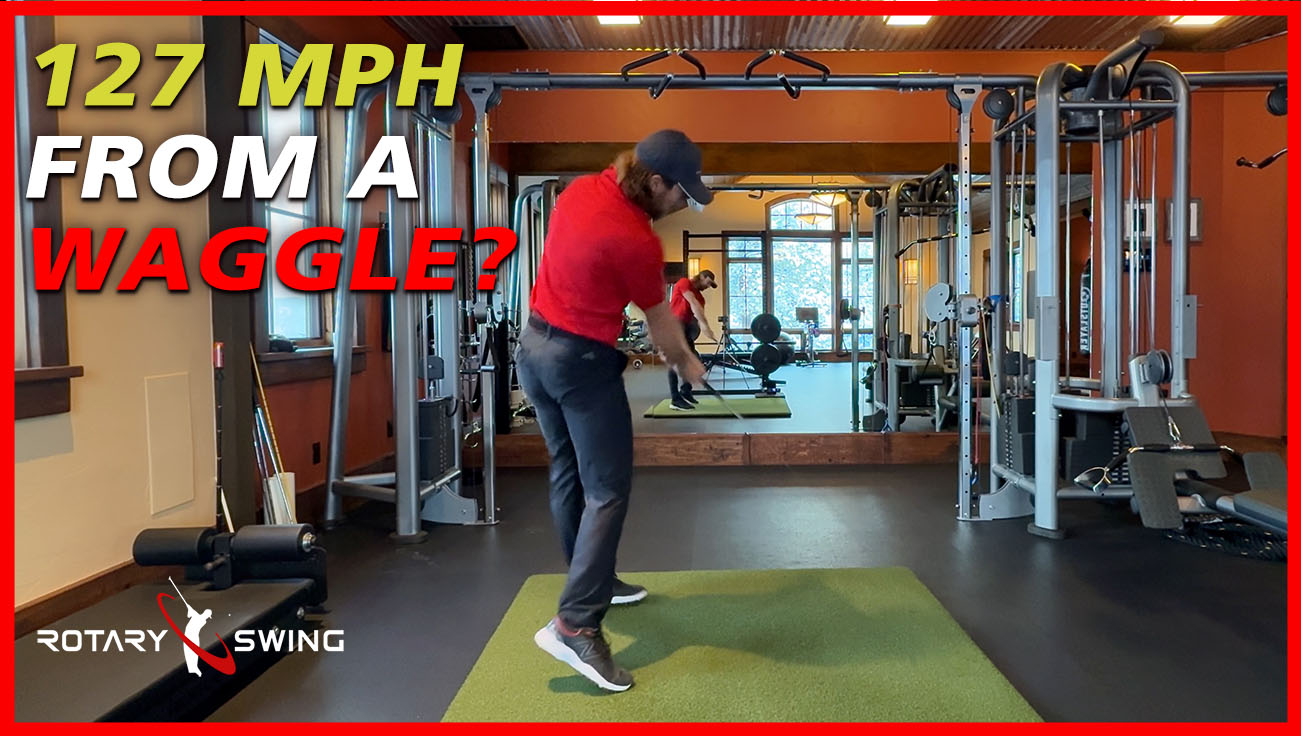
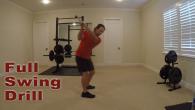
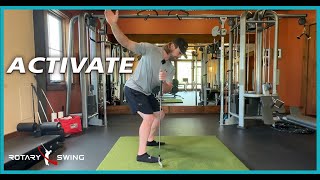
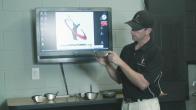
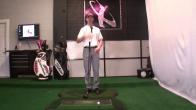
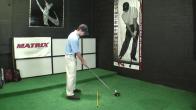
To help "get your body movin'," this flow drill is a great one to bring your swing to life. To start, take your normal setup position with a short to mid iron (a 5 iron works well for the video demonstration). Once you are comfortable, raise up out of your address position just enough so that the club can clear the ball as you swing the club forward several feet into your follow-through position.
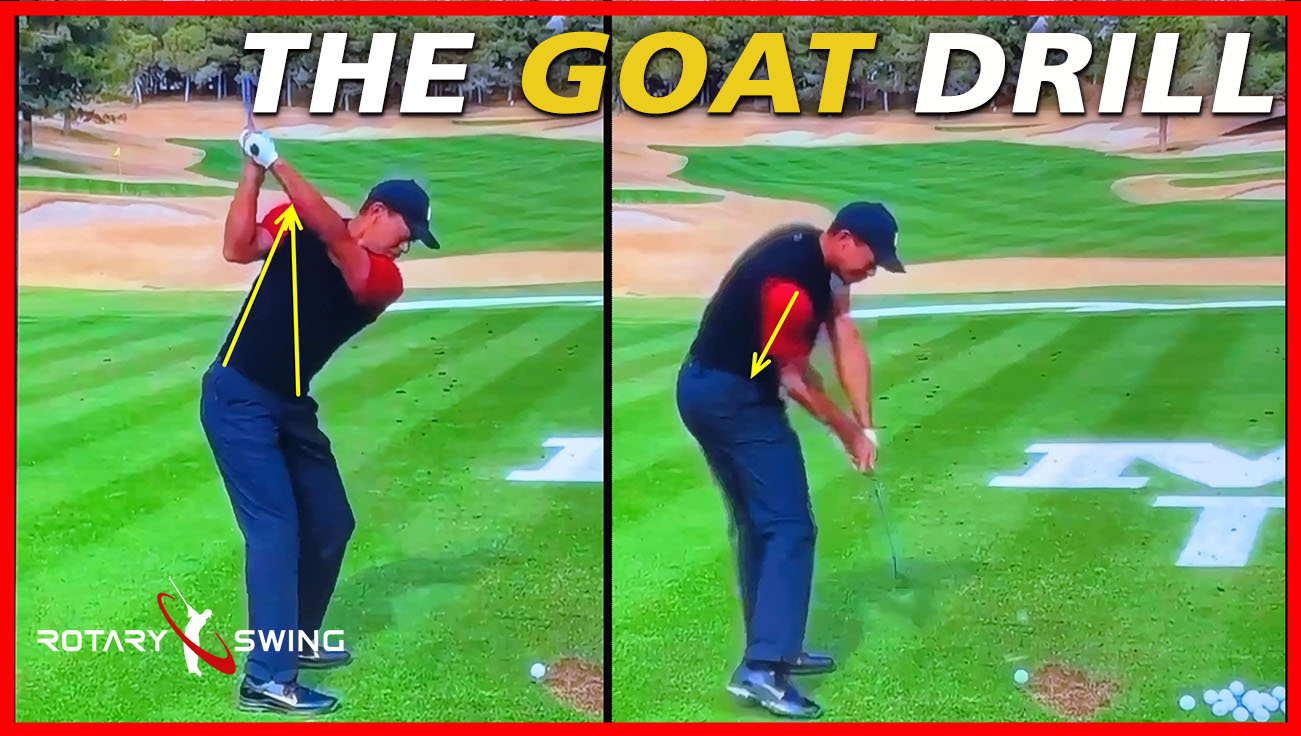
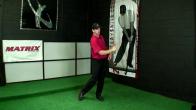
From here, "let" the club flow back all the way to the top of the backswing and then swing down with the same sense of rhythm. There is absolutely no need to be concerned with positions of the club at any point during the swing — the main things you are looking for are a sense of rhythm and flow as the club moves throughout the swing and solid contact with the ball. Work with this drill until you can make solid contact repeatedly. Structured feedback systems like the GOAT Drill system can help you monitor whether your swing mechanics are staying on track as your rhythm improves.
If you happen to video your swing, pay close attention to how free your body should be to swing the club and how effortlessly you build up clubhead speed. You may find that your swing flows a bit more to the inside and gets a little long at the top — this is perfectly fine, as your body is simply uninhibited and is making a completely free swing.
Again, don't be concerned with any positions; you are simply wanting to instill a good sense of rhythm and flow, and this drill is a great help, especially for one plane swingers who tend to get a little tense and quick.
Making a Full Turn when Playing a Round
When a golfer's golf swing rhythm starts to get off during a round, they are almost always getting quicker, particularly with the arms and upper body, causing these muscles to tense up and shorten. As a result, the swing shortens and loses much of its natural flow, and the golf swing turns into a desperate "hit" rather than a fluid motion.
To combat the natural tendency to get quick and shorten the swing as the round progresses, work with this rhythm and flow drill before each shot to give your body a great reminder of how free and effortless the golf swing really can be. Remember, you can have less than perfect mechanics and still hit excellent golf shots with good rhythm and tempo, but great mechanics combined with poor rhythm will do you little good on the course. Elite players have known this secret for a very long time — now you do as well.
The only time that really matters
While a great deal of time can be spent discussing swing theory, the bottom line is that the only time that matters is impact position and the path you use to get there. Having good rhythm and flow allows you to repeat the proper path to the ball and impact positions consistently more so than anything else.
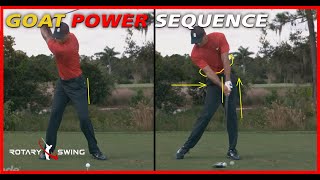
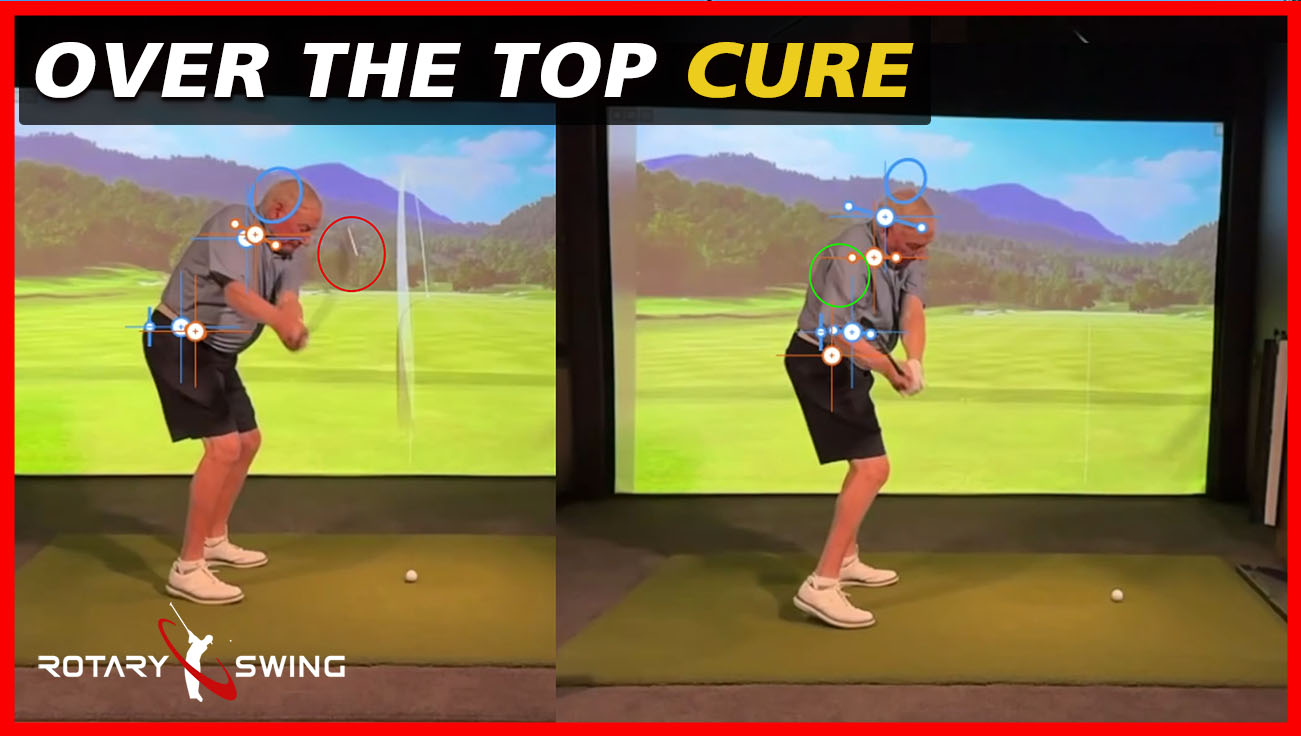
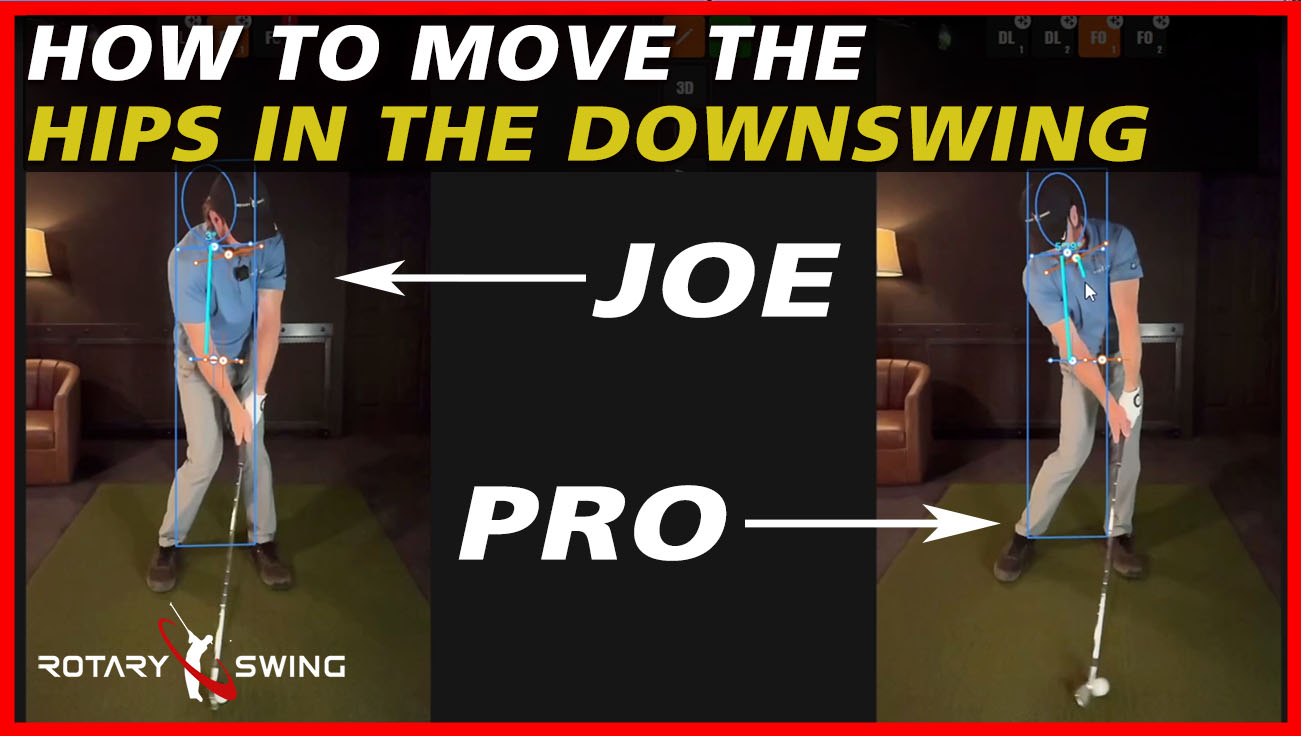
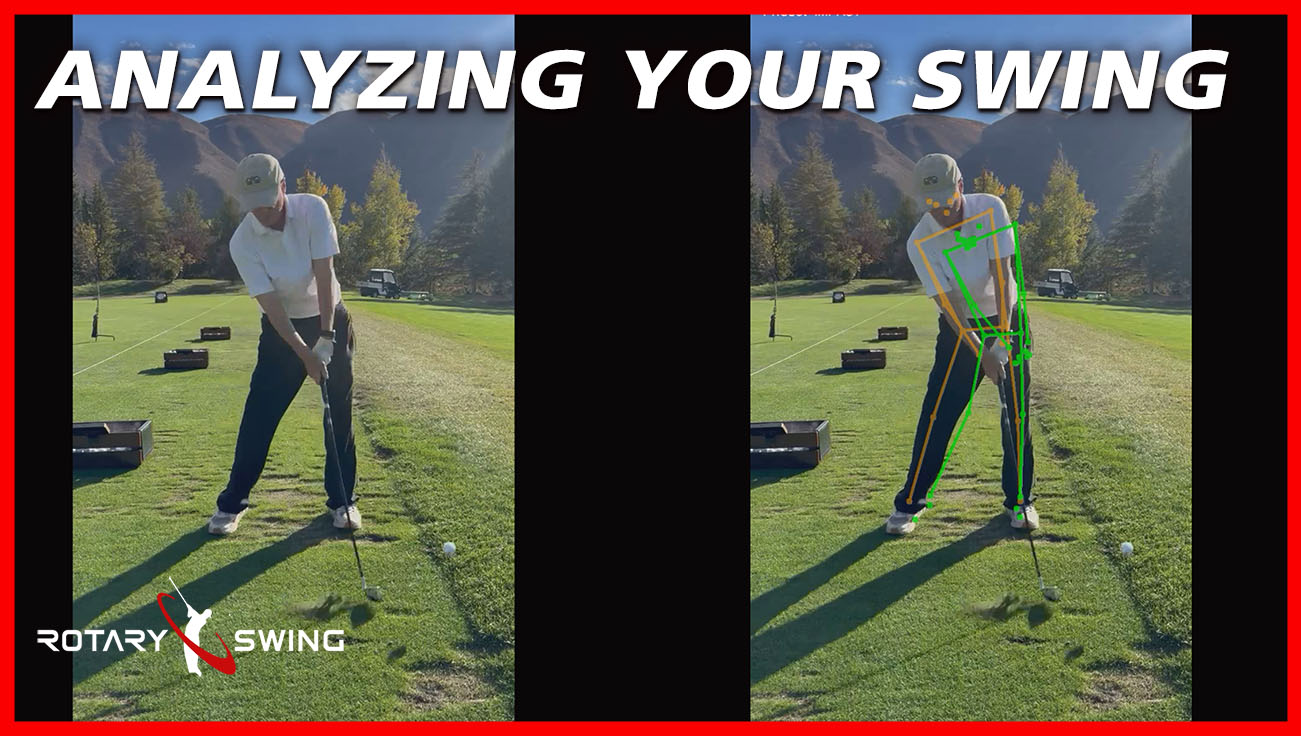
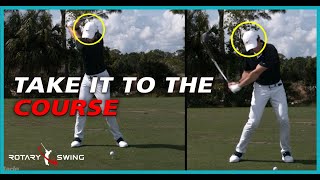
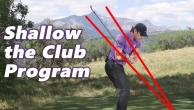
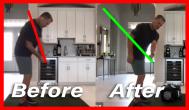
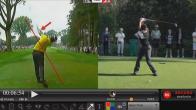
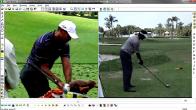
Even though the swing is more around and long when using this drill than during a normal swing, the downswing and impact positions are ideal — with the club coming right through the middle of the trail forearm in the first picture.
In the second picture, the club is coming from the inside with the trail elbow still back behind the trail hip, which is still clearing. At impact, the trail forearm and shaft are in perfect alignment and the trail elbow is still behind the trail hip.
As you can see, it matters only to a degree how you swing the club back in terms of positions, but if you let the swing flow on the way down rather than trying to force the issue, you can let the club do most of the work and end up in the proper impact positions naturally.
Watch part 2 now to see how you're moving your body in the opposite direction of the pros!