





















































































































I saw such an improvement in my golf swing by being a free member that I wanted the full benefits of a premium membership. I'm a notorious range rat who has learned more with my premium membership than I have from thousands of dollars of lessons and training aids over the past 20 years.
Excellent, thorough, detailed and comprehensive free information had me wanting more and the price/value was excellent.
The swing instruction offered by the free version made it apparent that this is the right way to perfect the golf swing (or get as close as possible). Just a few videos on how to start the backswing and initiate the downswing made a huge difference in my consistency.
After watching the free videos, I quickly realized the golf action Chuck is teaching is based on common sense fundamentals that most tour professionals use today. I also realized Chuck had a talent for explaining the golf swing in a way that makes sense.
| By Chuck Quinton, Master RST Instructor |
full bio
|
I briefly discussed spine tilt in the “Athletic Address Position” section, and now I want to discuss it again in context having explored the role of the arms and the importance of body rotation.
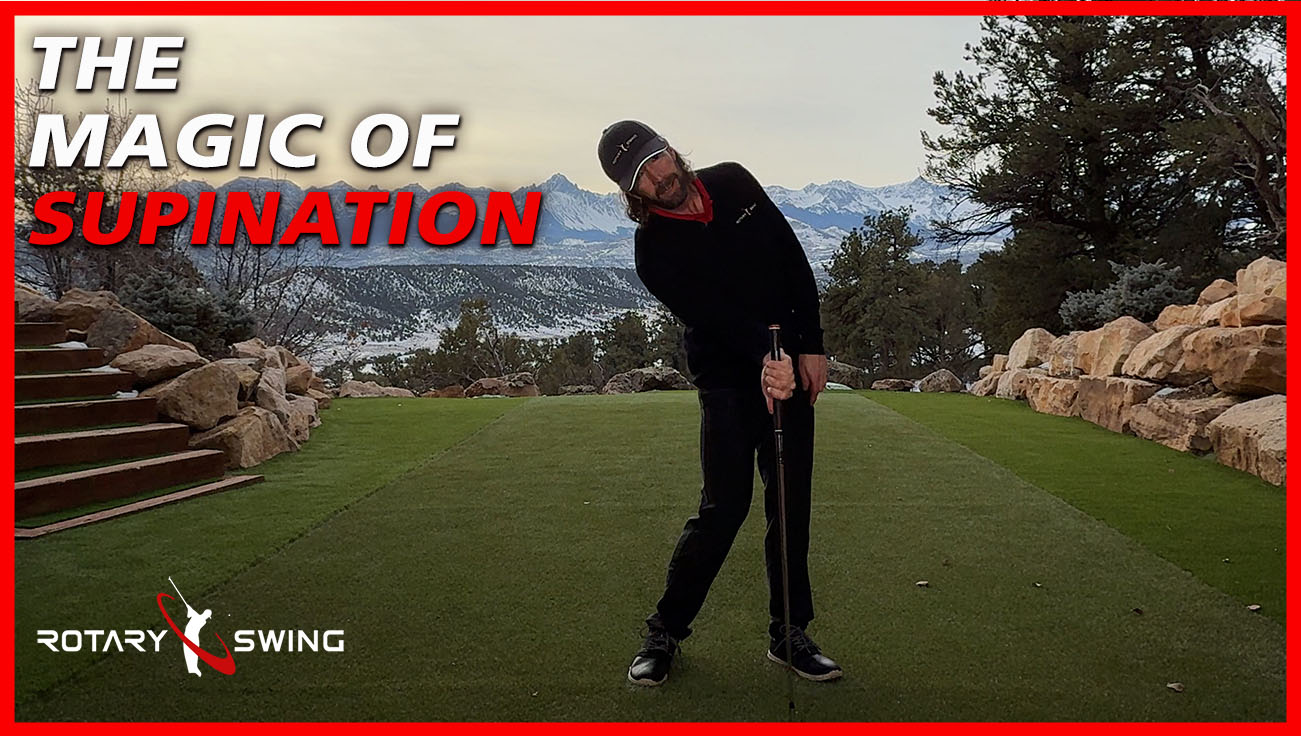
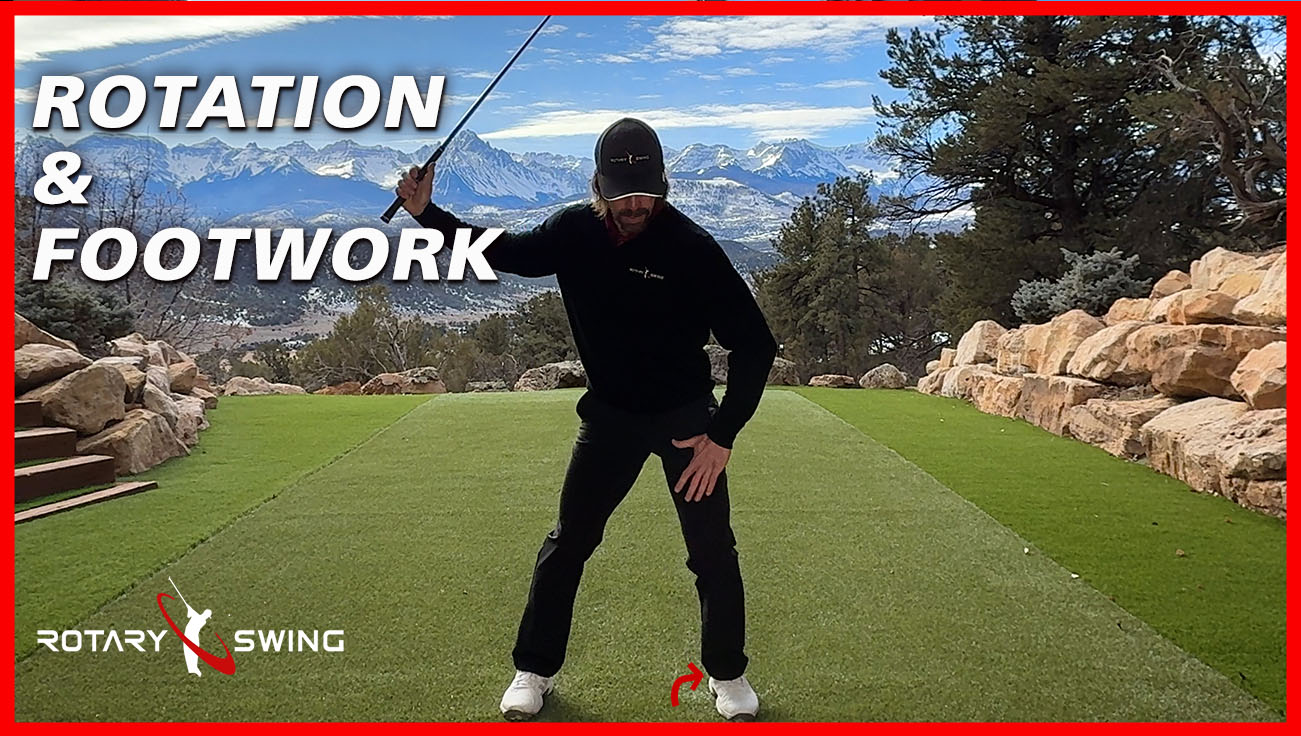
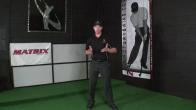
To start, go back to the top of the swing position we just covered in the “Introducing the Arms” section. From this standing position, tilt your spine toward the ground to a comfortable position where you sense the club will sweep across the turf if you were to swing through impact.
You should feel very powerful, balanced and athletic from this position. From here, simply rotate your body back to the left keeping the arms passive exactly like you did earlier while standing straight. The club will swing through impact effortlessly and your rotation will carry around you around to a full, balanced finish.
When the club strikes the turf, the divot should fly to the left, or inside the target line, never to the outside. If it flies to the right of the target, you likely slid your hips and dipped your shoulder causing the club to come too much from the inside.
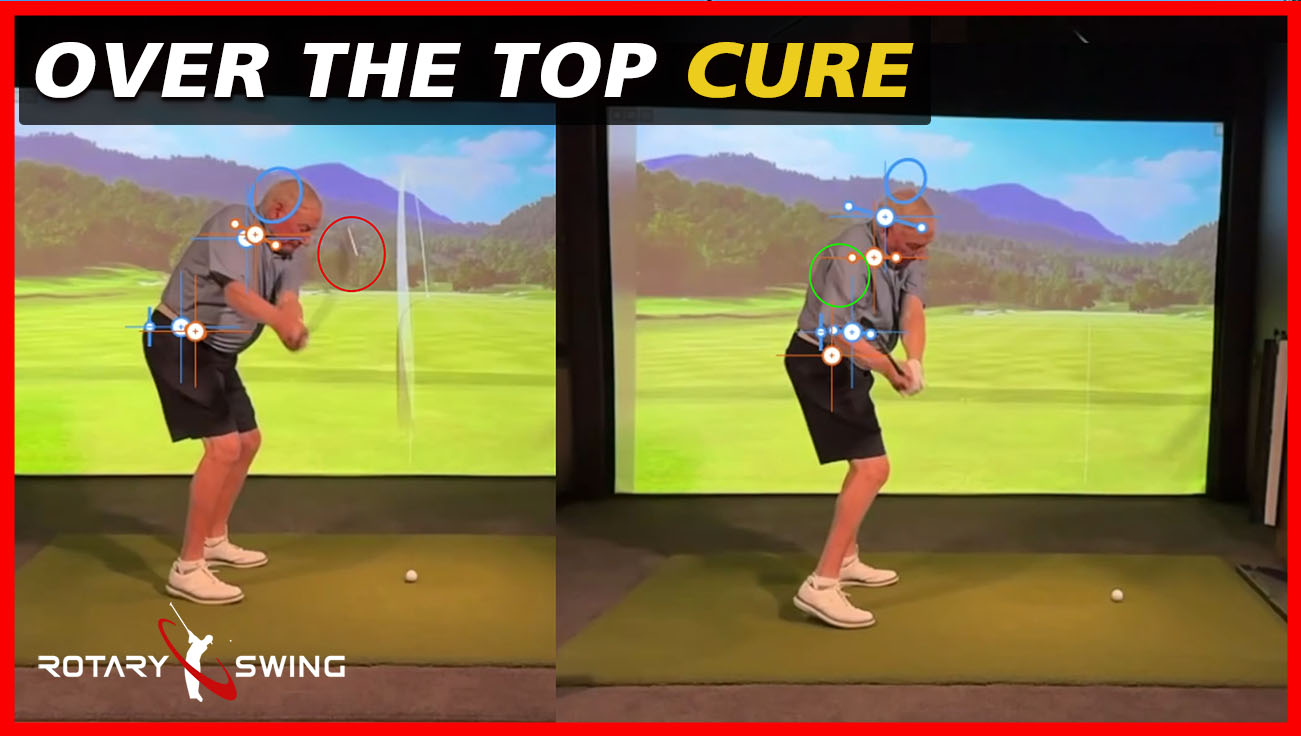
If it flies dramatically to the inside of the target, your arms were likely too active in the swing and you didn’t allow the rotating body to lead the swing, causing the arms and club to come over the top of the plane.
Do this several times to feel the right amount of spinal tilt for your body type.
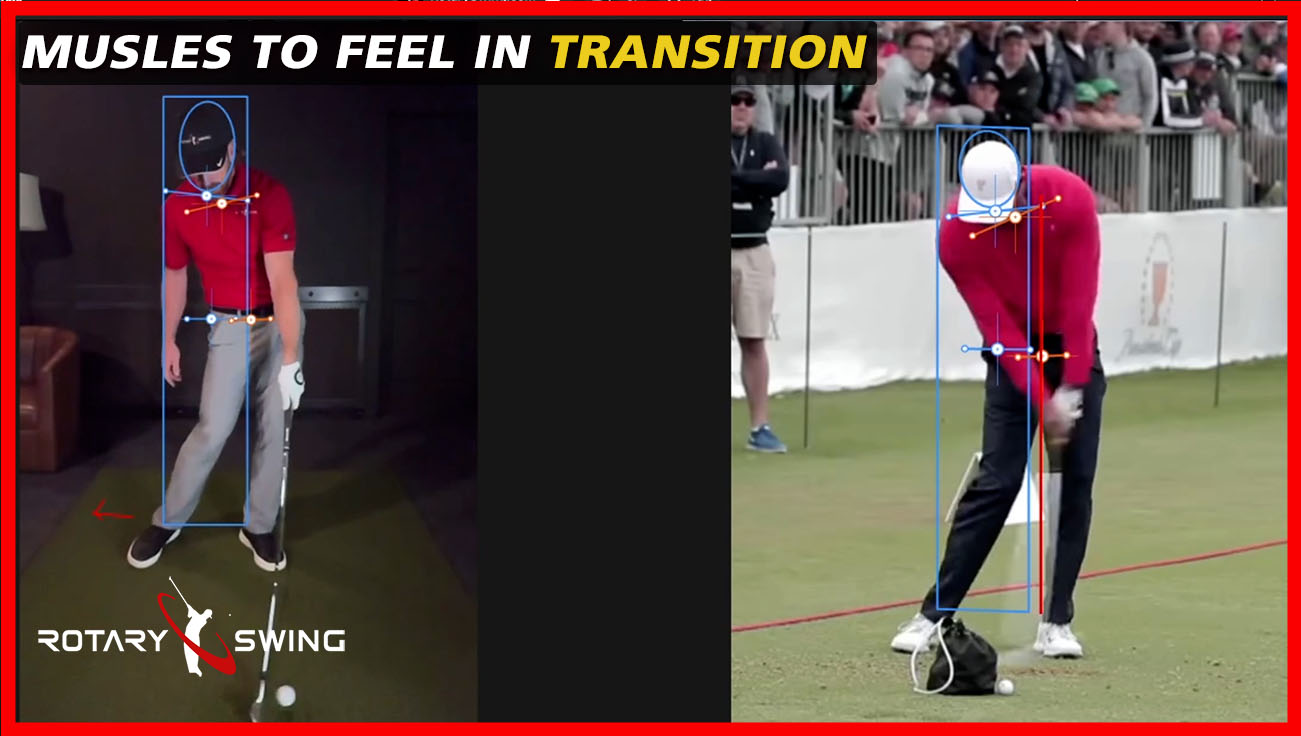
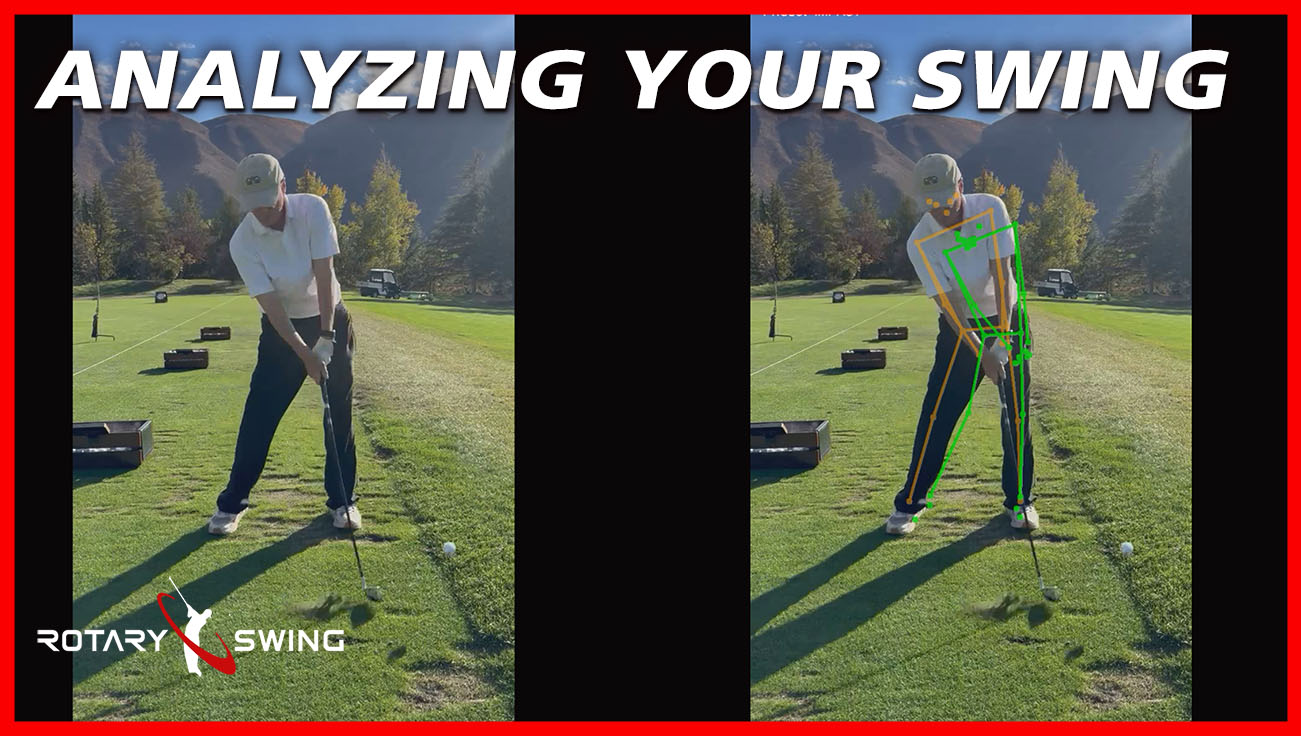
Once you can make confident swings like this, address the ball and make some full practice swings. If you maintain your spine angle throughout the swing, you should be able to make very powerful full swings just as you did starting from the top of the swing position and the divots will fly to the left of the target line.
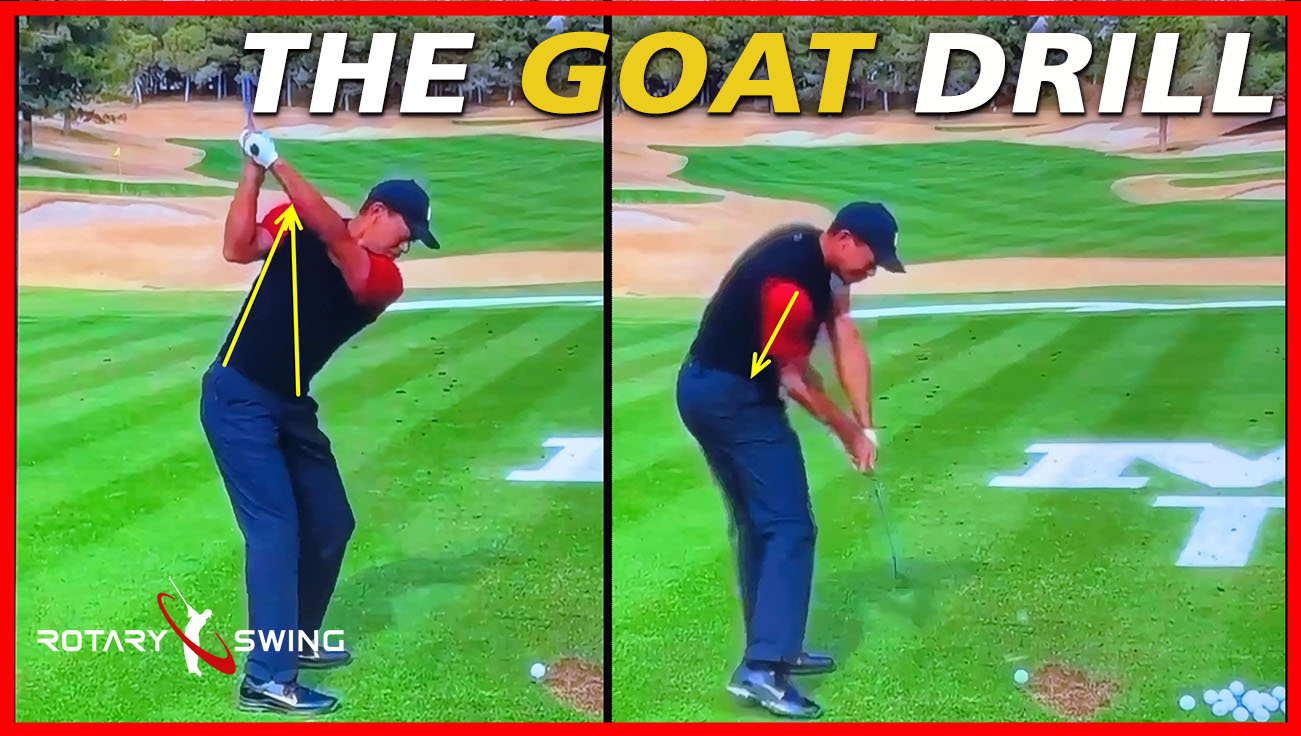
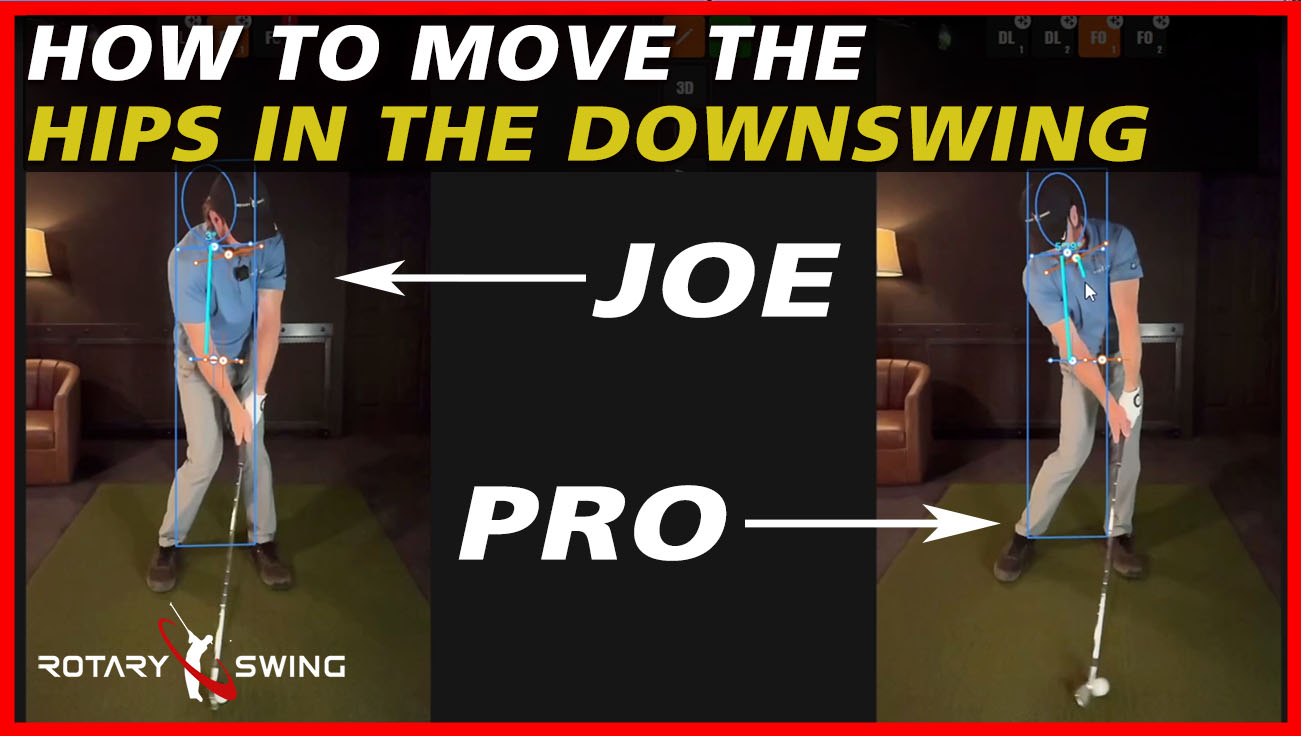
If your spine angle changes at any point during the swing, either by having the base of the spine move toward the target or having the spine angle decrease by standing up out of the shot, you will have a difficult time with consistency.
However, if you maintain your spine angle throughout, you can simply rotate back and through.
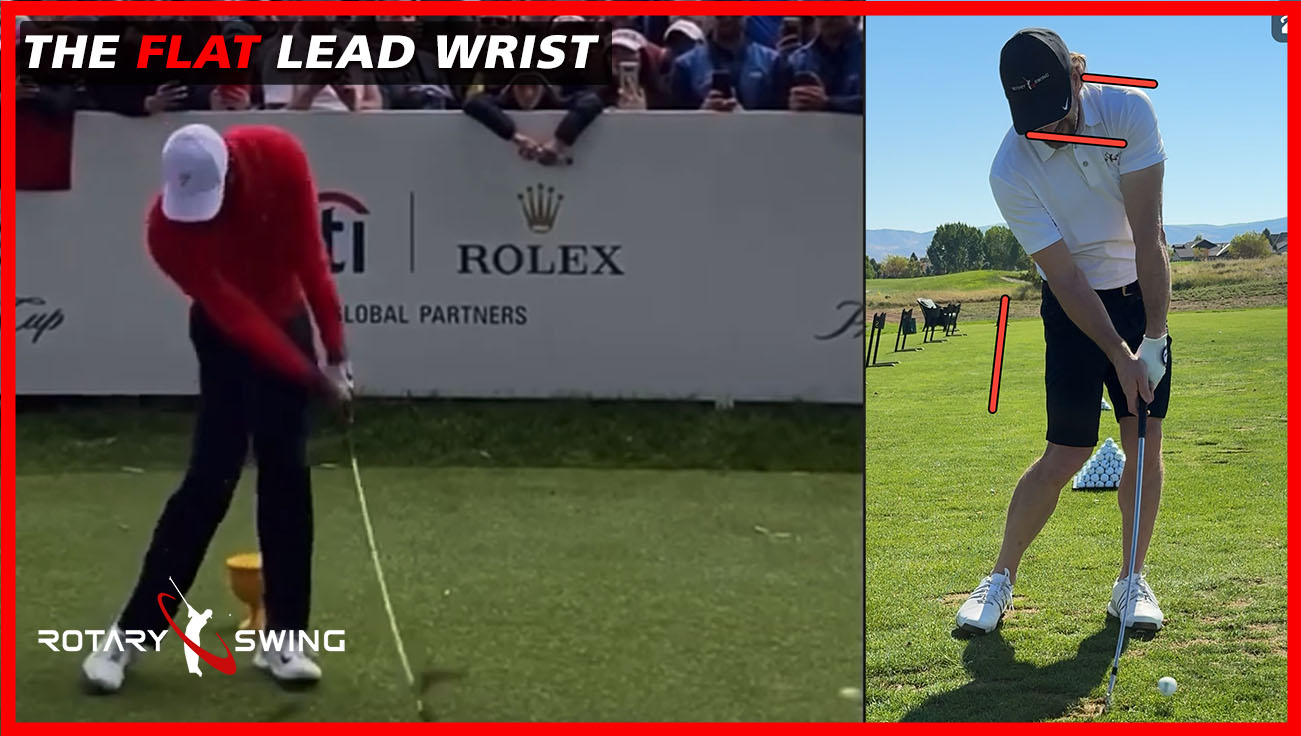
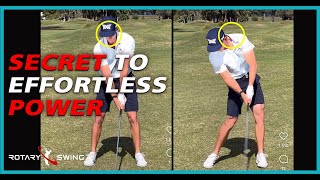
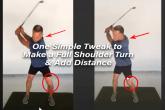
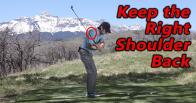
It is critical for the shoulders to rotate on a level plane throughout the swing. Keeping everything rotating around a fixed axis and on a level plane is what makes the one plane swing work, so you must strive to maintain the same angles throughout the golf swing that you established at address. Rotating the shoulders on a level plane throughout the swing can easily be checked in either a mirror or with the help of a friend.
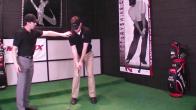
As you rotate your shoulders at a 90 degree angle to your spine during the backswing, you are creating a plane that you will retrace with your back shoulder on the downswing. Check in a mirror to ensure that you are rotating and never dipping your shoulder beneath the plane that you swung back on.
If you have someone that can assist you, have them place a shaft along your shoulders once you have completed your backswing and have them hold it in place while you rotate your back shoulder along the shaft during the downswing. If it dips beneath the shaft, you have changed your spine angle and will now swing too much from the inside. Again, this is caused by the hips sliding toward the target for most golfers.