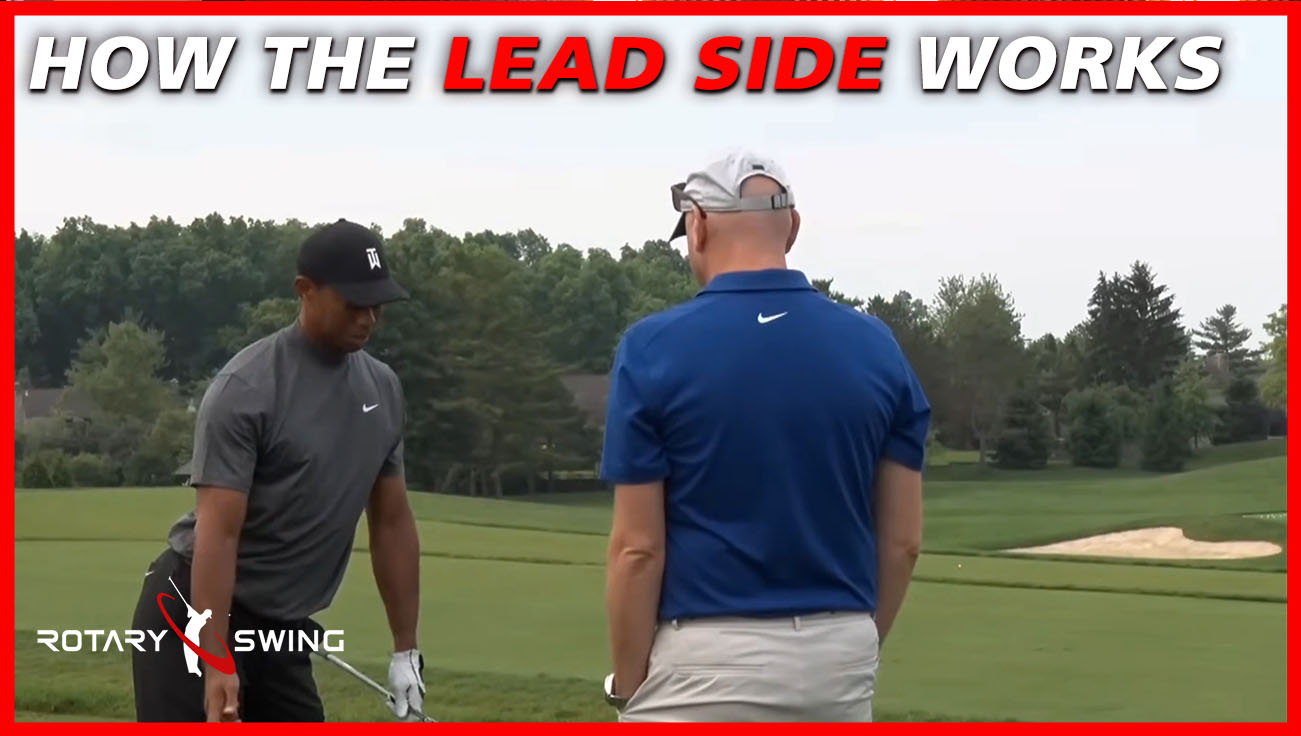
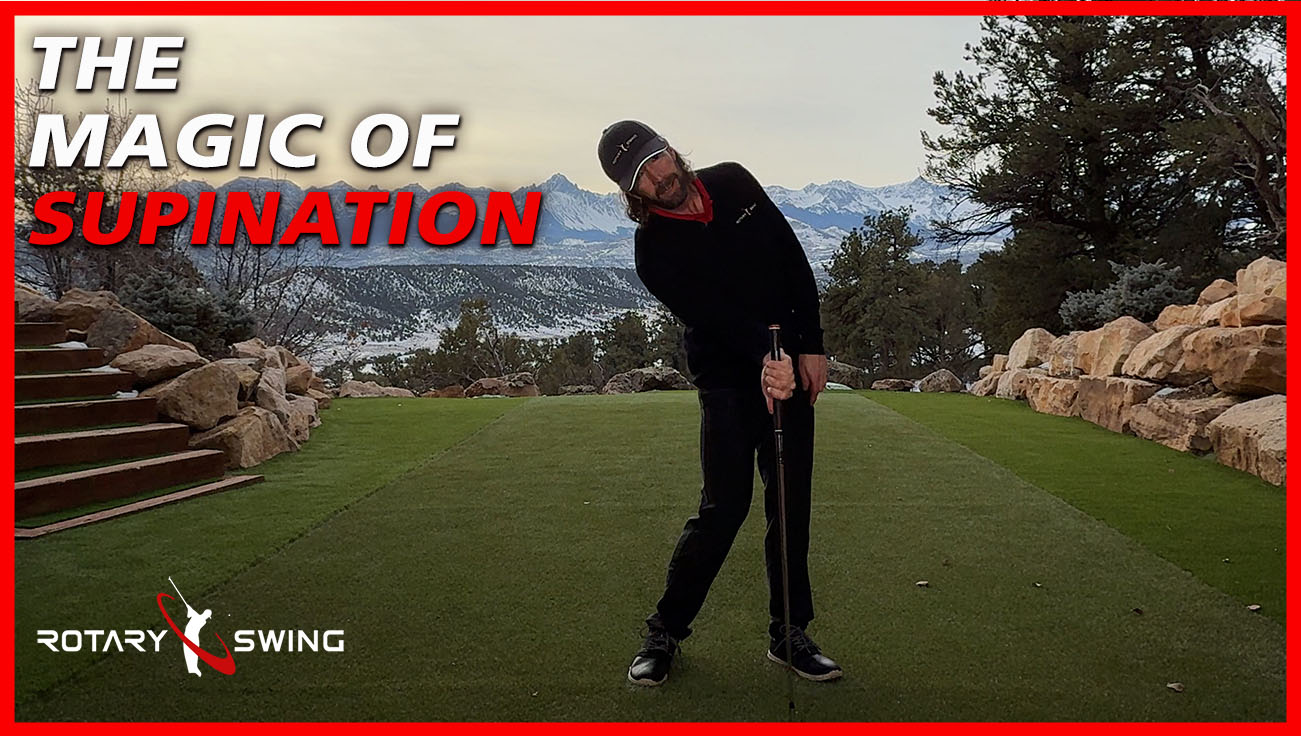
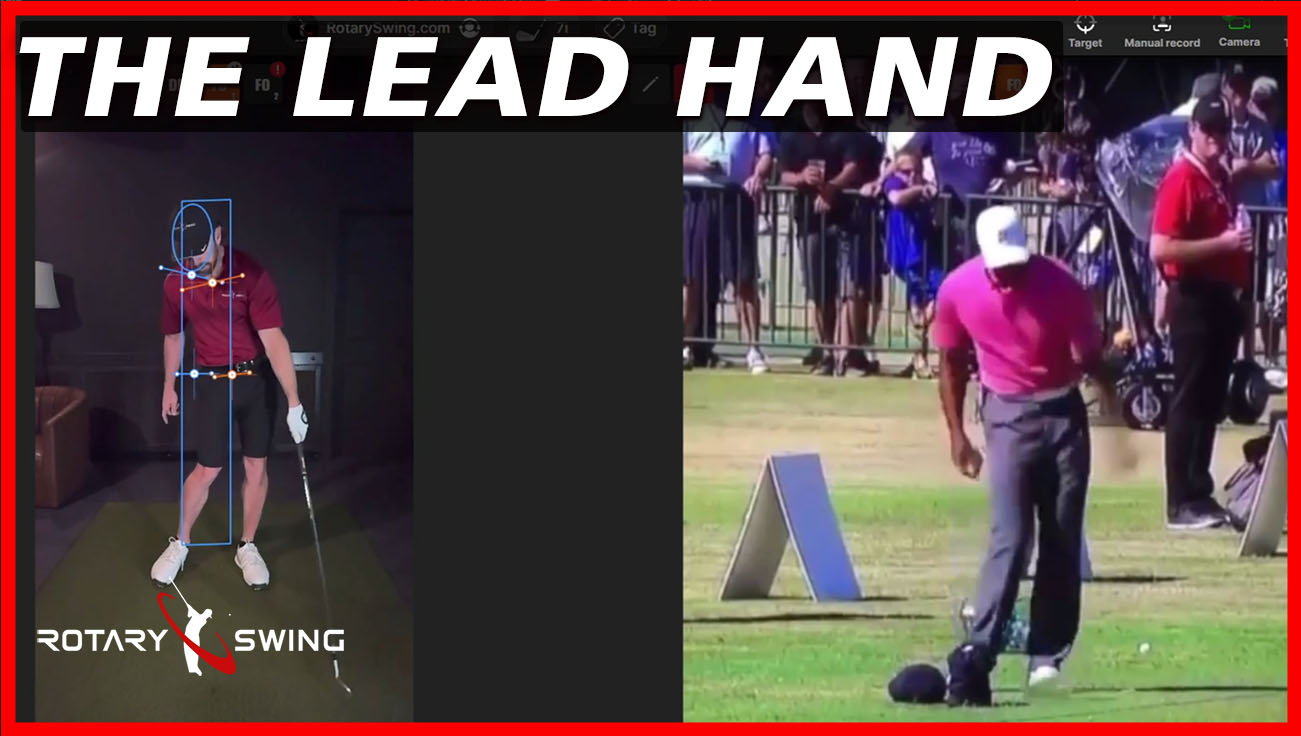
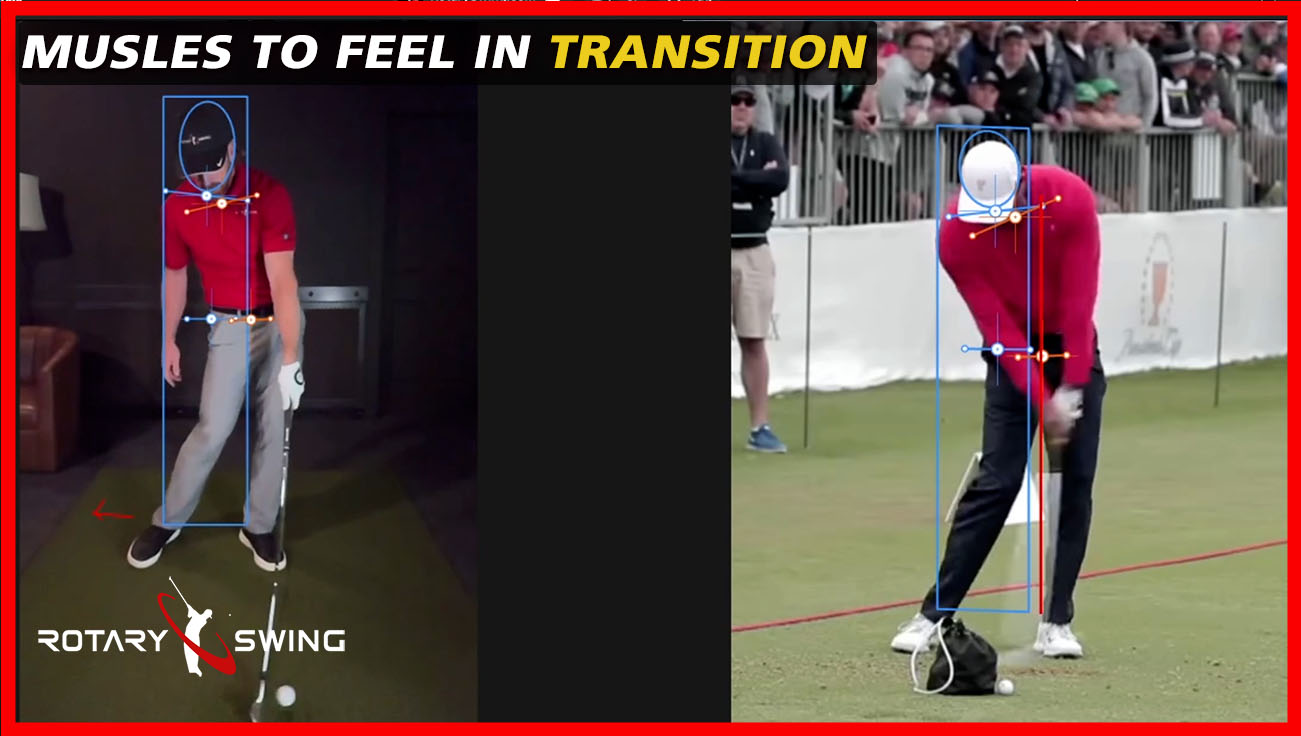
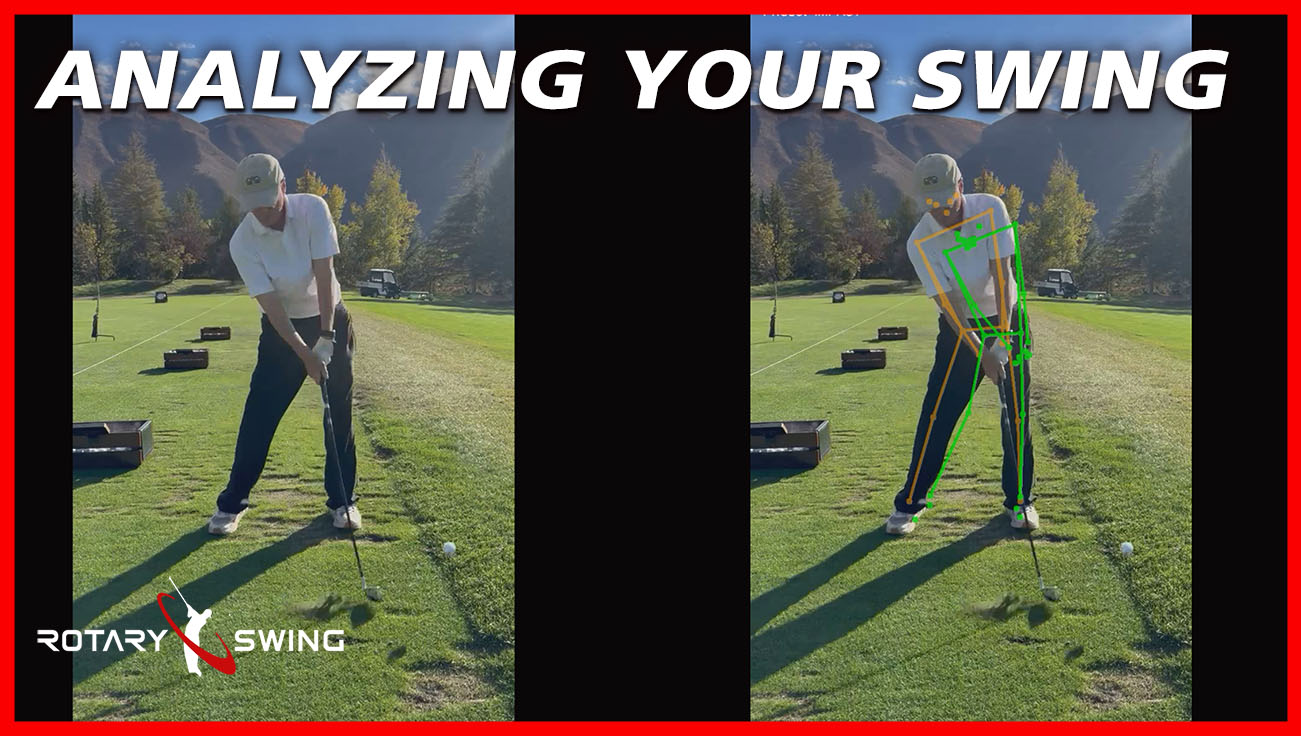
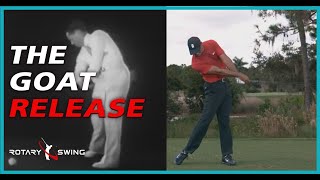
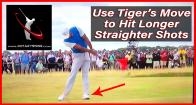
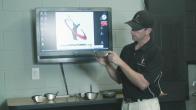
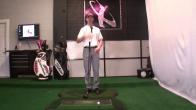
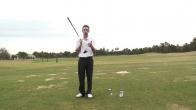
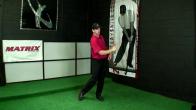
The squat move that performs during his downswing has drawn years of criticism from television golf commentators, largely because of how dramatically his head drops during the transition. However, a closer biomechanical look reveals that this lowering action is actually Tiger Woods' most explosive move — a deliberate loading pattern that generates enormous power while simultaneously creating rock-solid stability through impact. Understanding why Tiger squats rather than spins is one of the keys to unlocking a more efficient golf swing.
In this video, I break down exactly why the squat move is a motion you will want to master in your own downswing if you are serious about hitting longer, straighter shots. When performed correctly, this transition pattern helps you deliver the club on plane with both increased power and dramatically improved accuracy — the same combination that made Tiger Woods the most dominant ball-striker of his generation. To see how your own downswing compares to the greatest of all time, try a free AI swing analysis and get instant feedback on your mechanics.
Is this the fault costing you strokes?
Film one swing on your phone. In about a minute GOATY measures it and names the single biggest thing costing you strokes — free, no card.
Analyze My Swing Free
Related: Golf hip rotation — what AI coaching reveals →
Android users: Download GOATY on Google Play — free AI golf coaching on your Android phone. →
The "" serves several distinct biomechanical purposes during the downswing. This powerful transition move:
Stop reading about it — feel it in your swing today
GOATY watches your swing live and coaches you between every rep. Free. No signup.
Start Your FREE Live Lesson →
- Engages the powerful gluteus muscles, the largest force-producing muscles in the human body,
- Allows the golfer to use the ground to create vertical ground force and leverage,
- Stabilizes the pelvis and, thus, the lumbar spine for a repeatable impact position, and
- Slows down the rotation of the hips, preventing the common "spin-out" fault.
Together, these benefits produce a downswing that is far easier to control — the hips do not spin out ahead of the arms — and considerably more powerful, because the two thickest muscles in the body (the glutes) are fully recruited for both force production and structural stability. This is why Tiger Woods' golf swing looks so effortless yet produces elite ball speed.
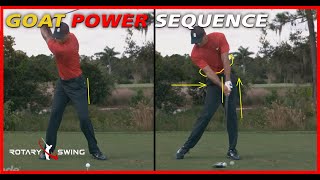
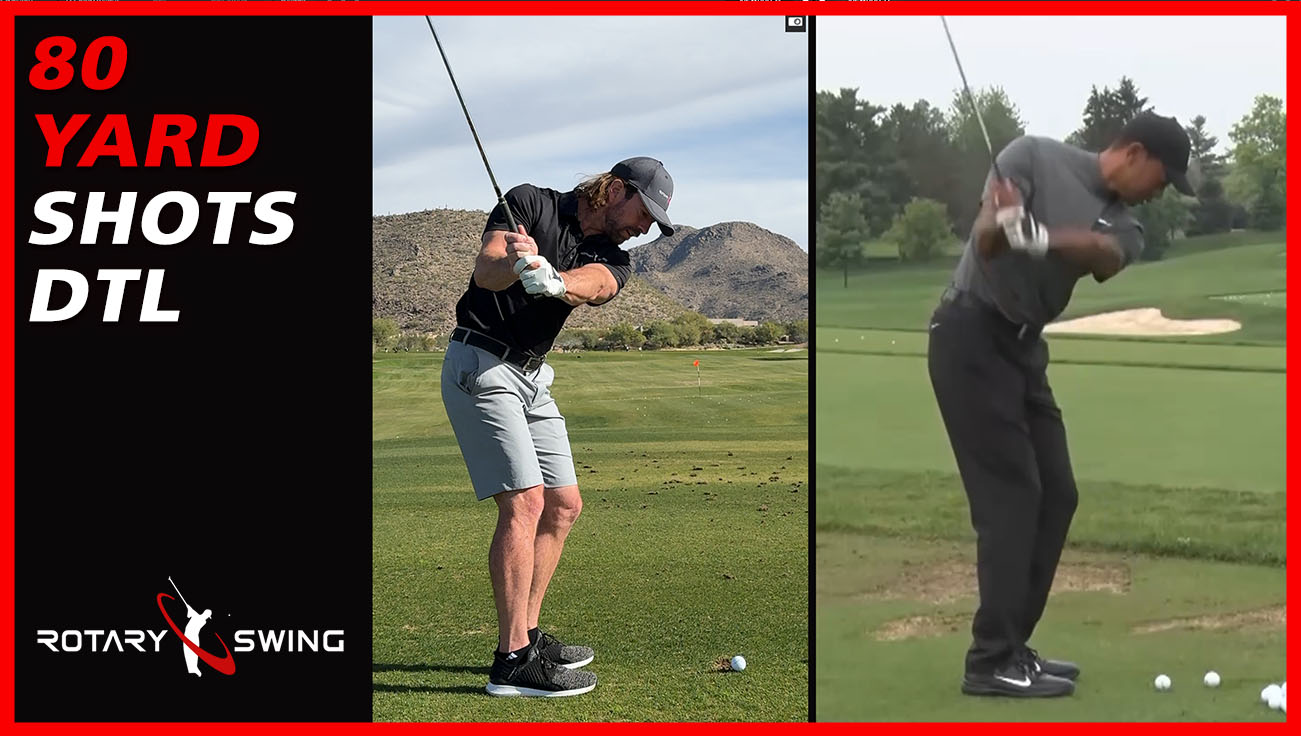
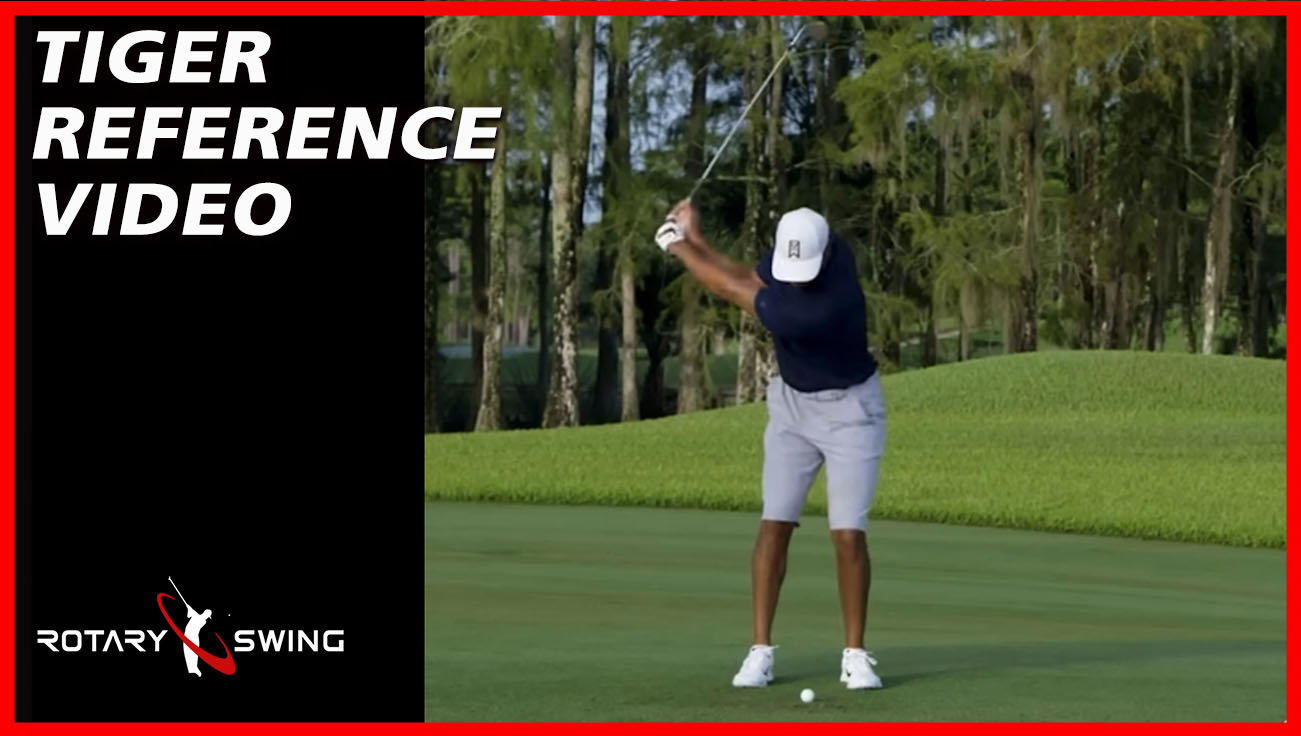
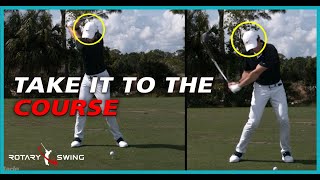
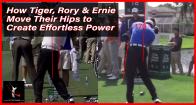
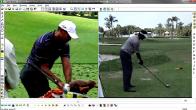
In the image sequence below (taken from the video), notice how Tiger Woods' initial squat move maintains consistent spacing between the knees throughout the downswing. This pattern is critical: it ensures the lower body provides a stable foundation rather than sliding or spinning, and this stability is preserved all the way through impact and into the release.
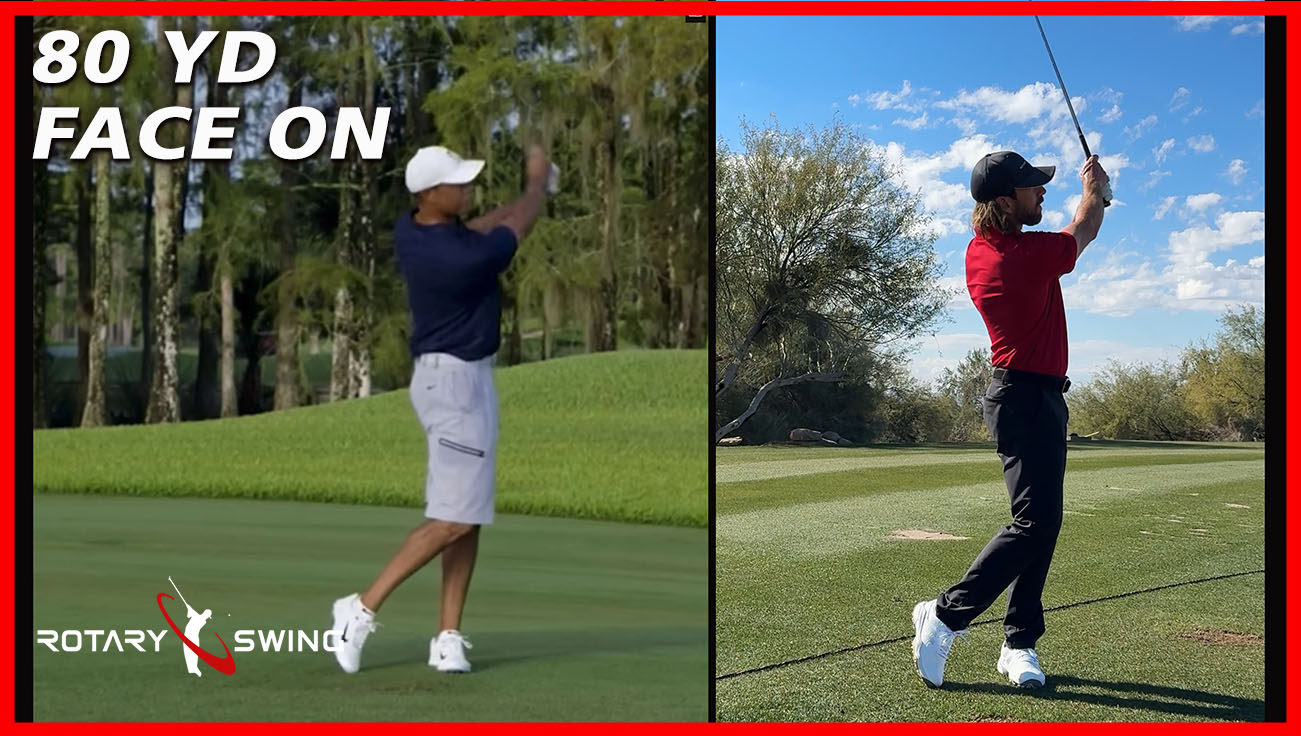
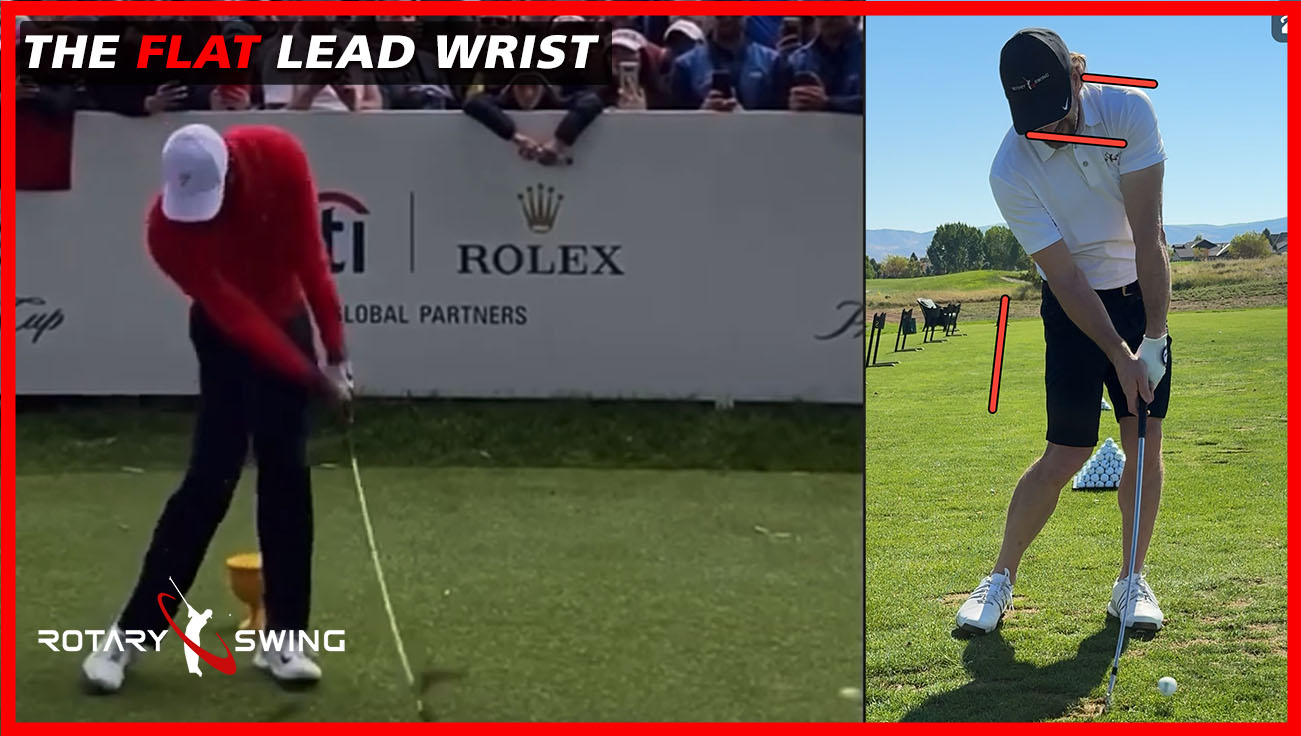
Into the follow-through, the glutes remain fully contracted as the lead leg straightens powerfully, snapping the club through the release zone and stabilizing the pelvis against the rotational forces. This "push up out of the ground" action is the payoff of the earlier squat move — Tiger Woods converts stored vertical ground force into explosive clubhead speed right when it matters most. If you want to learn how to incorporate this same ground-force pattern into your own golf swing, try a free AI golf lesson with real-time coaching feedback.
Video Transcription: The Tiger Woods Squat

Tiger's squat
One of the most criticized motions in Tiger Woods' golf swing from the TV pundits has always been the squat move, where his head noticeably lowers during the downswing.
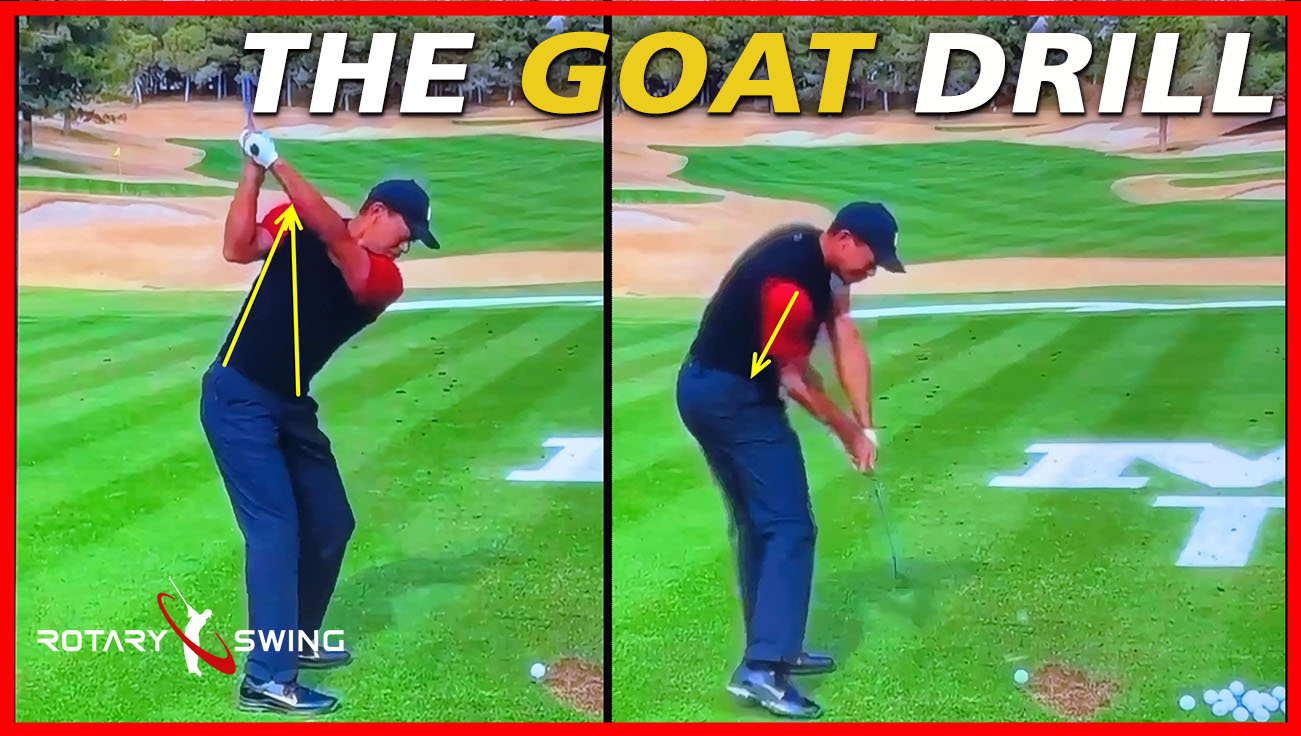
What that looks like is that Tiger Woods reaches the top of his swing and begins to generate leverage. He appears to squat down as his head drops slightly, then it rises back up through impact. had a remarkably similar move. Many golfers throughout history who have generated tremendous power in their golf swing without excessive muscular effort have employed this same vertical ground force loading pattern.
I have always argued that it is the single most powerful move in Tiger Woods' golf swing, and I am going to show you exactly why that is the case.
The squat move accomplishes several things simultaneously during the transition. First, it allows you to use the ground for leverage and build a stable base. That stability is critical because, as we have learned in golf instruction, the primary objective is to maintain lag through the downswing and then release it at the bottom. You need a solid, anchored base in order to achieve a powerful, repeatable impact position.

Feet planted for stability
If your legs are spinning out from under you and you are constantly flipping the club at the ball, you have zero stability at impact. You need that stable foundation so that when you fire the trail arm and , you maintain control through the hitting zone. This is a fundamental principle of sound golf instruction that separates consistent ball-strikers from those who struggle with timing.
Squatting into the transition allows you to push against the ground and activate the glute muscles. All of these hip stabilizer muscles and glutes work together to anchor the hips and create a feeling of solidity, rather than the lazy, uncontrolled spinning through impact that plagues so many amateur golf swings.
You want to feel powerful and stable at impact, fully leveraging the ground beneath you. Without the squat move, you simply cannot achieve that. If you stand tall through the transition and just spin your hips, there is no leverage happening — no vertical ground force being generated, no stability being created.
I need to feel like I am loading my glutes and anchoring myself to the ground, pressing my feet firmly into the turf, so that as I move into the next phase of the downswing that we are about to discuss, I am positioned to execute it correctly.

Hip spinners' hands end up here
The next benefit is particularly important for skilled players. Most of my better golfers are hip spinners. Nearly all the professionals I work with struggle with getting slightly stuck underneath on the way down, then spinning through and hitting a higher ball flight than intended. That excessive spin on the ball also leads to blocks and hooks — the two-way miss that destroys scoring.
When I teach them the Tiger Woods squat move, it helps slow down their hip rotation during the transition. That is a critical piece of the puzzle because you do not need fast-spinning hips in the downswing. Excessive hip speed only gets your arms stuck behind you. Your hips do not have to travel very far in the downswing to return to their impact position, but your hands have a very long distance to cover from the top.
If you reach the top and immediately spin your hips open, your hands will always lag behind in a stuck position. They simply cannot move fast enough to keep up with rapid hip rotation, but your hips can snap open in an instant, leaving you perpetually trapped in this stuck position with no way to square the clubface consistently.
We invest significant time working with these golfers to slow their hips down through the transition so they have time to properly sequence everything and get their arms back in front of their body at impact. This is one of the most misunderstood aspects of modern golf instruction.
The squat move is one of those critical transition patterns that, as the golfer loads into the ground, slows the initial hip rotation so they can build a stable base, begin pulling the arms down into the slot, and then at impact leverage the ground with both legs by pushing up against it. This is exactly what Tiger Woods does so effectively.

Squatting slows rotation, improving stability
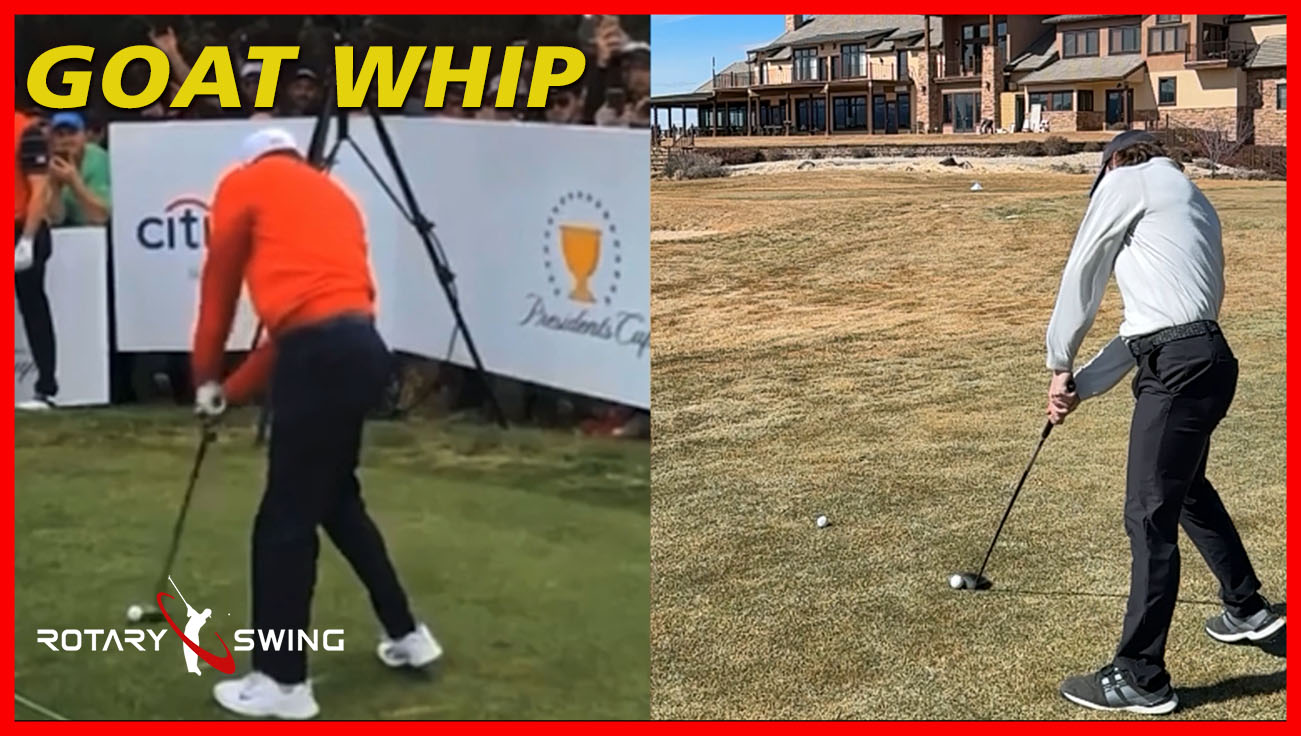
That might sound like a strange concept, but it is absolutely critical for generating maximum power. Here is what happens: as I perform the squat move and then push up out of it, I am driving against the ground. Quite literally, I am pressing my lead leg — both legs, but primarily the lead leg — and straightening it forcefully through impact.
What that achieves is moving my body upward while forcing the club to release downward with tremendous speed. You get an "equal and opposite" effect — as your body drives one way through vertical ground force, you are forcing the club to accelerate even faster through the bottom of the arc. That is a fairly advanced power concept in golf instruction.
If you are a typical amateur or higher-handicap golfer, you are likely not ready for this technique yet. But for professionals or better amateur players who are looking to build additional speed and power in their golf swing, the squat move is a critical pattern for stabilizing the downswing and then extracting that final burst of release speed at the bottom. You can see exactly how your own transition compares by getting a free AI swing analysis that measures these key positions.

Squatting leverages the glutes
Consider the difference: if I simply reach the top and spin my hips open, all I generate is a weak, decelerating clubhead coming through impact with no authority. But if I reach the top and execute the Tiger Woods squat, leveraging my glutes and pressing firmly into the ground, then setting into the lead side and firing those glutes against the ground — now I have a massive snap at the bottom and an explosive release. It also naturally slows the hip rotation, which gives my arms time to work back in front of my body.
If you are a hip spinner who struggles with getting stuck, learning to squat into the ground and feel like you push your feet firmly into the turf before firing everything through the downswing is going to help you generate significantly more clubhead speed with far less muscular effort.
This squat move will finally teach you what it truly feels like to leverage vertical ground force, activate the hip stabilizer muscles, recruit the glutes, and harness all of these large, powerful muscles in your torso and trunk. The result is real, sustainable power in your golf swing — the kind Tiger Woods has demonstrated throughout his career — without the exhausting muscular effort that leads to inconsistency and injury.
Frequently Asked Questions
What is the purpose of the squat move in Tiger Woods' downswing?
The squat move in Tiger Woods' downswing serves multiple biomechanical purposes. It engages the gluteus muscles to generate power, stabilizes the pelvis and lumbar spine for a consistent impact position, and slows down hip rotation to prevent the common 'spin-out' fault. This combination enhances both the power and control of the downswing, allowing for longer and straighter shots.
How does the squat move improve a golfer's swing mechanics?
The squat move improves swing mechanics by anchoring the golfer to the ground, allowing for better leverage and power generation. By maintaining knee flex and stability throughout the downswing, it prevents unwanted sliding or spinning of the lower body. This results in a more controlled and powerful swing, as the glutes are fully engaged for optimal force production.
Why is the squat move considered advanced and not suitable for higher-handicap players?
The squat move is considered advanced because it requires a high level of body awareness and control to execute correctly. Higher-handicap players may struggle with maintaining stability and proper mechanics throughout the downswing, which can lead to inconsistencies. Mastering this move is essential for serious golfers looking to enhance their power and accuracy, but it may be too complex for those still developing their fundamental skills.
What benefits does the squat move provide during the follow-through?
During the follow-through, the squat move allows for a powerful push-up action from the ground, converting stored vertical ground force into explosive clubhead speed. This action stabilizes the pelvis against rotational forces and ensures that the lead leg straightens effectively, enhancing the overall efficiency of the swing. This biomechanical advantage is what contributes to the effortless yet powerful nature of Tiger Woods' swing.
Watch part 2 now to see how you're moving your body in the opposite direction of the pros!